Fleas are tiny, blood-sucking insects that infest a variety of animals, especially pets like dogs and cats. Understanding the life cycle of fleas is essential for controlling and preventing them. Fleas are more than just a nuisance; they can spread diseases and cause discomfort to both animals and humans.
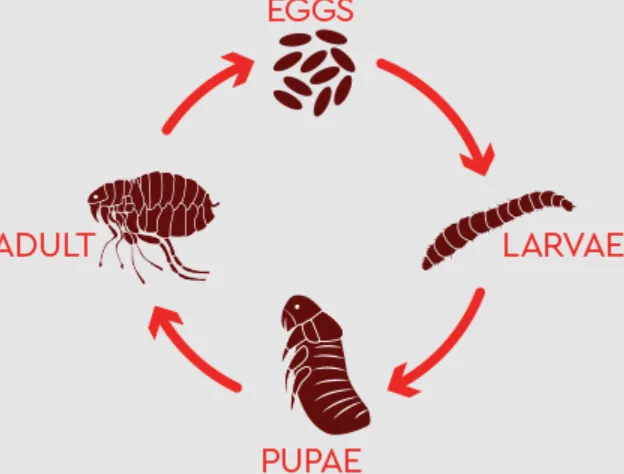
Their life cycle involves several distinct stages, starting with eggs and progressing through larval, pupal, and adult stages. This progression can occur rapidly, making flea infestations hard to control without proper treatment.
Q: What do fleas look like?
A: Fleas are small, reddish-brown insects that are about 1/8 inch long. They have flattened bodies and long legs that allow them to jump great distances.
Q: How can you get rid of fleas in your house?
A: To eliminate fleas in your home, it’s essential to vacuum frequently, wash bedding, and treat your pets with flea medication. Flea bombs or sprays can also be used to kill adult fleas and larvae.
Q: How do fleas affect pets?
A: Fleas cause itching, irritation, and in some cases, allergic reactions in pets. They can also transmit diseases like tapeworms and even cause anemia in severe cases.
Quick Life Cycle Table
| Stage | Description | Duration |
| Egg | Fleas lay eggs on the host animal or in the environment. | 2 days to 1 week |
| Larva | Eggs hatch into larvae, which feed on organic debris. | 5 to 20 days |
| Pupa | Larvae cocoon themselves in a protective shell, becoming pupae. | 1 to 2 weeks (can last longer) |
| Adult | Adult fleas emerge from the cocoon to find a host and start feeding. | 1-2 weeks or longer if not feeding |

The History of Their Scientific Naming
Fleas belong to the order Siphonaptera, which is derived from Greek, meaning “siphon” (tube) and “aptera” (without wings). The scientific name for the common flea is Ctenocephalides felis, which refers to the cat flea, and is one of the most common types of flea found on domestic animals.
Over time, fleas have evolved alongside mammals and adapted to living off their hosts, becoming highly specialized in reproduction and survival.
Their Evolution and Origin
Fleas have a long evolutionary history, originating from an ancient lineage of parasitic insects that dates back over 200 million years. They evolved to live as external parasites on mammals and birds, feeding on their hosts’ blood. The evolution of fleas is believed to be driven by their adaptation to survive on different hosts, which helped them spread across continents. Their ability to jump long distances has enabled them to transfer efficiently from host to host. Fossil records show that fleas have been around since the Triassic period and have undergone significant evolutionary changes, becoming the specialized parasites they are today.
In terms of geographic origin, fleas are thought to have evolved in Africa before spreading globally with the movement of mammals. Their evolutionary adaptations include specialized mouthparts designed for piercing the skin of their hosts and siphoning blood.
Their Main Food and Its Collection Process
Fleas are obligate blood-feeding ectoparasites, meaning they rely entirely on the blood of mammals and birds for nourishment. Flea feeding occurs when the flea punctures the skin of its host with its specialized mouthparts and feeds on the host’s blood. They have a tube-like mouthpart called a proboscis that allows them to pierce the skin and suck blood from their host. This feeding process is crucial for their survival and reproduction.
Fleas can survive for several days without feeding, but they need regular blood meals to reach adulthood and reproduce. They are especially attracted to the warmth and scent of their host, which is why they are commonly found on pets like cats and dogs. In a typical flea infestation, fleas will feed for several minutes at a time before jumping to another area of the host or to another animal.
Their Life Cycle and Ability to Survive in Nature
Fleas have an incredible ability to survive in nature due to their rapid life cycle and adaptability. Once a flea lays eggs on a host, the eggs can drop into the environment, where they hatch into larvae. Fleas are resilient and can survive challenging environmental conditions, such as extreme temperatures and humidity, though they thrive in warm, humid environments.
Flea pupae can remain dormant for months before emerging as adult fleas, which is why flea infestations can persist long after initial treatment if the environment is not addressed. Fleas are particularly good at surviving in areas like carpets, pet bedding, and furniture, where they can hide and wait for a host to pass by. Their ability to jump long distances also makes them very difficult to contain.
Their Reproductive Process and Raising Their Children
Fleas reproduce through copulation, where the male flea mates with the female on the host. After mating, the female flea lays up to 50 eggs per day, which she deposits onto the host or in the environment. The eggs then hatch into larvae, which feed on organic matter like skin flakes and flea feces. The larvae then spin protective cocoons around themselves and transition into the pupal stage.
After completing the pupal stage, adult fleas emerge from the cocoon and immediately seek a host to begin feeding. This rapid reproduction and life cycle progression make fleas very difficult to control, especially when both the animal host and the environment are not treated simultaneously.

Importance of Fleas in the Ecosystem
While fleas are primarily seen as pests and disease carriers, they play an ecological role as prey for various small predators, including birds, reptiles, and some mammals. Their blood-feeding behavior also helps control populations of certain animals by keeping host populations in check. Fleas have been known to transmit parasites, such as tapeworms, which, in turn, affect the health of host populations.
Moreover, fleas can be an important part of the food chain, providing nourishment for other animals. In the grand scheme of nature, fleas help maintain ecological balance by contributing to the dynamics of predator-prey relationships.
What to Do to Protect Fleas in Nature and Save the System for the Future
Although fleas are often considered pests, it is important to understand their role in the environment and to manage them responsibly. Here are a few ways to protect fleas in nature and ensure the survival of the broader ecosystem:
- Encourage natural predators: Birds and reptiles are natural flea predators. Promoting environments that support these species can help keep flea populations in check.
- Habitat protection: Fleas thrive in warm, humid environments. Maintaining the natural habitats of animals that host fleas helps keep these ecosystems balanced.
- Avoid indiscriminate pesticide use: Overuse of pesticides can harm other species that depend on fleas for food. Use flea control measures responsibly and focus on targeted treatments.

Frequently Asked Questions (FAQs)
Q: How long does the life cycle of a flea take?
A: The flea life cycle can be completed in as little as two weeks, but it can take longer depending on environmental conditions.
Q: Can fleas survive without a host?
A: Fleas can survive for several days to a week without feeding, but they cannot live indefinitely without a host.
Q: How can I prevent fleas from entering my home?
A: Regularly treat your pets with flea prevention, vacuum your home frequently, and wash your pet’s bedding regularly.
Q: Are flea bites dangerous for humans?
A: While flea bites can cause irritation and itching, they can also transmit diseases like the plague and typhus, making them a health concern.
Q: What is the best way to treat a flea infestation in my home?
A: Use a combination of flea treatments for your pets, vacuum regularly, and use flea sprays or bombs in your home.
Q: Can fleas live on humans?
A: While fleas prefer animals, they can occasionally bite humans if no other host is available.
Q: Why are fleas so hard to get rid of?
A: Fleas have a rapid life cycle and can hide in hard-to-reach places, making them difficult to eliminate without treating both pets and the environment.
Q: How often should I treat my pet for fleas?
A: Flea treatment should be done regularly, especially during flea season. Consult with your vet for the best treatment schedule for your pet.
Conclusion
In conclusion, fleas are small but incredibly resilient pests that can pose significant challenges for pet owners and homeowners. Understanding the life cycle, reproductive habits, and role in the ecosystem is crucial for effectively managing infestations and reducing their impact on both animals and humans.
By implementing proper flea control strategies and maintaining a healthy environment, it’s possible to minimize the effects of flea infestations while also respecting their place in the natural world. Proper treatment and preventive measures are key to maintaining a flea-free home and ensuring the well-being of both pets and people.
Also Read: life cycle of an apple tree
About the Author