Honey bees are incredible creatures that hold a pivotal position in nature. Not only do they contribute to pollinating plants, but their life cycle is also fascinating and vital for sustaining ecosystems. The honey bee’s intricate life stages—from egg to adult—play a significant role in their survival and the survival of countless other species. Understanding their life cycle and functions helps us appreciate the critical role these insects have in our world.
Quick Answers to Common Questions About Honey Bees
- What is the life cycle of a honey bee?
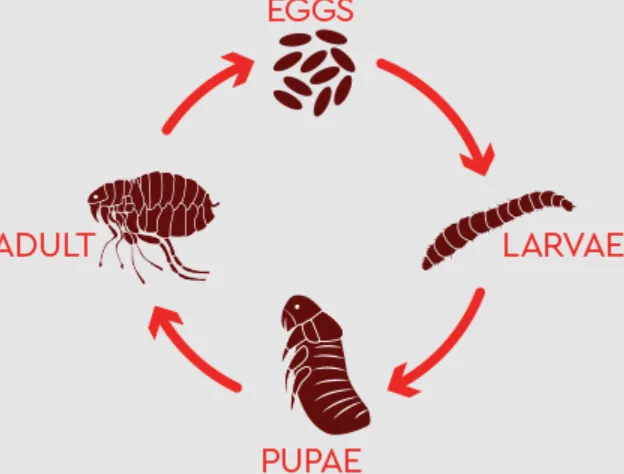
- The honey bee undergoes complete metamorphosis, with four stages: egg, larva, pupa, and adult. These stages occur sequentially, with the queen laying eggs that will eventually develop into workers, drones, or another queen.
- Why are honey bees important to our ecosystem?
- Honey bees are crucial for pollination, which directly impacts the production of fruits, vegetables, and seeds. This contributes to global food security and supports the health of ecosystems that rely on pollinated plants.
- What are the different types of honey bees?
- The most common type is the Western honey bee (Apis mellifera), but within this species, there are various subspecies, each adapted to different climates and regions. Worker bees, drones, and queens are the three primary categories found within a colony.
Quick Life Cycle Table
| Stage | Duration | Description |
| Egg | 3 days | The queen lays eggs that hatch into larvae in about 3 days. |
| Larva | 5-6 days | Worker bees feed the larvae royal jelly and nectar until they pupate. |
| Pupa | 12 days | The pupa stage is when the larva transforms into an adult bee. |
| Adult | 2-3 weeks | The newly emerged bee begins its role, depending on its assigned function. |
The History of Their Scientific Naming
The scientific name of the honey bee is Apis mellifera. This name is derived from the Latin words Apis, meaning “bee,” and mellifera, meaning “honey-bearing.” This naming reflects their fundamental role in producing honey. The species was first formally described by Carl Linnaeus, the father of modern taxonomy, in 1758. Linnaeus classified the honey bee as part of the order Hymenoptera, noting its distinctive behavior and ecological importance.
The genus Apis contains several species, with Apis mellifera being the most studied and widespread. Over time, honey bees have been subdivided into various subspecies based on regional characteristics, such as the Italian bee (Apis mellifera ligustica), the Carniolan bee (Apis mellifera carnica), and the African bee (Apis mellifera scutellata), each known for specific traits, such as temperament and honey production.
Their Evolution and Their Origin
Honey bees have a rich evolutionary history that stretches back millions of years. The first bees appeared approximately 100 million years ago, during the Cretaceous period, a time when flowering plants began to diversify. This was the beginning of a mutually beneficial relationship between bees and plants, with bees providing pollination in exchange for nectar.
Honey bees evolved from a solitary species into the highly social creatures we see today, with an intricate colony structure that is based on cooperation. The Apis mellifera species, which includes most of the domesticated honey bees, is believed to have originated in Europe and Asia. As humans spread throughout the world, so did honey bees, which are now found on every continent except Antarctica.
The evolutionary success of honey bees can be attributed to their complex social structure, division of labor, and efficient communication systems. These traits have allowed honey bees to thrive in diverse environments, from temperate climates to tropical regions.

Their Main Food and Its Collection Process
Honey bees have a unique and efficient way of collecting and processing their food. Their main food sources are nectar and pollen, which they gather from flowers. Nectar provides the energy they need to fly and perform other tasks, while pollen supplies essential proteins, fats, and vitamins for the colony.
Nectar Collection
- Foraging: Worker bees leave the hive in search of flowers. They are drawn to blossoms that offer abundant nectar.
- Nectar Extraction: The bee uses its proboscis (a tube-like tongue) to suck nectar from the flower’s nectar glands.
- Storage: The nectar is stored in the bee’s honey stomach, a specialized organ designed to transport nectar back to the hive.
- Returning to the Hive: Upon returning to the hive, the bee regurgitates the nectar and transfers it to another worker bee, who processes it by evaporating moisture.
Pollen Collection
- Pollen Gathering: As the bee visits flowers, pollen sticks to the fine hairs on its body.
- Packing Pollen: The bee uses its hind legs to pack pollen into specialized baskets, called corbiculae.
- Transporting: The loaded bee returns to the hive, where the pollen serves as a protein source for the larvae.
Their Life Cycle and Ability to Survive in Nature
Stages of the Honey Bee Life Cycle:
Honey bees undergo complete metamorphosis, which involves the transition from egg to larva, to pupa, and finally to adult. This intricate process enables honey bees to adapt to changing environments and thrive across diverse climates.
- Egg: The queen lays tiny, oval-shaped eggs in wax cells. These eggs are the first stage of the honey bee’s development.
- Larva: Upon hatching, the larvae are fed a mixture of royal jelly, nectar, and pollen by worker bees. This diet determines whether a larva will become a queen or a worker bee.
- Pupa: After growing large enough, the larvae spin a cocoon and enter the pupa stage, where they transform into adult bees.
- Adult: The newly emerged adult bee leaves the pupa cell and begins performing tasks based on its role—worker, drone, or queen.
Honey bees’ ability to survive in nature is largely due to their social structure. They work together as a colony, each bee playing a specific role. Worker bees maintain the hive, feed the young, and collect food, while drones mate with the queen to ensure future generations. The queen’s ability to lay eggs ensures the continuous cycle of life in the hive.
Their Reproductive Process and Raising Their Children
- Mating: The queen bee takes a mating flight early in her life, where she mates with multiple drones from different colonies. The sperm she collects during these flights is stored in her spermatheca, and she uses it throughout her life to fertilize eggs.
- Egg Laying: Once mated, the queen begins laying fertilized eggs that develop into worker bees and unfertilized eggs that develop into drones. Worker bees care for the larvae, feeding them royal jelly.
- Raising the Brood: Worker bees maintain the brood by regulating temperature, feeding, and cleaning the larvae. Royal jelly, a protein-rich substance, is fed to larvae that will become queens.
- Development: The queen’s role is to ensure that the colony is continuously replenished. Her ability to lay thousands of eggs in a single day is key to the colony’s survival.
Importance of Them in This Ecosystem
Honey bees are indispensable to ecosystems worldwide. They are one of the most effective pollinators, helping plants reproduce by transferring pollen from one flower to another. Without honey bees, many of the crops we rely on for food would not reproduce, leading to a decrease in food availability for both humans and animals.
- Pollination of Crops: Honey bees pollinate around one-third of the food crops consumed by humans, including fruits, vegetables, nuts, and seeds.
- Biodiversity: By pollinating a wide variety of plants, honey bees contribute to maintaining biodiversity, which is essential for ecosystem health.
- Economic Impact: Honey bees’ pollination services contribute billions of dollars to the global economy, supporting the agriculture industry, including honey production.
What to Do to Protect Them in Nature and Save the System for the Future
- Create Bee Habitats: Preserve wild habitats and plant nectar-rich flowers to provide food for bees.
- Limit Pesticide Use: Reduce or eliminate pesticide usage that harms bee populations.
- Support Sustainable Agriculture: Advocate for farming practices that prioritize biodiversity and protect pollinator habitats.
- Provide Bee Shelters: Encourage the creation of bee shelters and hives to help local pollinators thrive.
- Promote Pollinator Education: Educate the public on the importance of bees and how to help protect them.
Important Things That You Need to Know
- Honey Bee Supplies: Beekeepers require specific honey bee supplies, such as hives, queen excluders, and honey extractors, to manage their colonies and ensure healthy bees.
- Western Honey Bee: The Western honey bee (Apis mellifera) is the most widely used bee for pollination worldwide, making it essential for food production.
- Honey Bee Hive: A properly maintained bee hive is crucial for the colony’s survival, protecting it from the elements and providing space to store honey.
- Bumble Bee vs Honey Bee: While both bees play critical roles in pollination, honey bees live in large, organized colonies, whereas bumble bees are more solitary.
- Honey Bee Stamps: Many postal authorities have issued stamps celebrating the importance of honey bees to agriculture and nature.

Frequently Asked Questions (FAQs)
- What is the life cycle of a honey bee?
- The honey bee life cycle involves four stages: egg, larva, pupa, and adult. The queen lays the egg, and after hatching, the bee transforms into a worker, drone, or queen.
- How long do honey bees live?
- Worker bees live for 5-6 weeks, drones live for a few weeks, and queen bees can live for several years.
- Why are honey bees essential for pollination?
- Honey bees are crucial pollinators for many of the fruits, vegetables, and crops that humans rely on for food.
- How do honey bees make honey?
- Bees collect nectar from flowers and convert it into honey through a process of digestion and evaporation inside the hive.
- What is the role of the queen bee in the colony?
- The queen bee is the colony’s reproductive female, responsible for laying all the eggs that will develop into workers, drones, and future queens.
- How can we protect honey bees from pesticides?
- Avoiding the use of harmful pesticides and promoting organic farming practices are essential for protecting bees.
- What supplies are needed for honey beekeeping?
- Beekeepers need hives, frames, queen excluders, bee suits, and other tools to manage their colonies and ensure bees’ health.
- How do honey bees communicate with each other?
- Honey bees communicate through the “waggle dance,” a method used by worker bees to share information about the location of food sources.
Conclusion
The honey bee’s life cycle is a remarkable process that ensures the colony’s health and supports the broader ecosystem. From their intricate reproduction system to their critical role in pollination, honey bees are vital to both the natural world and human agriculture. By understanding their life cycle and their importance in nature, we can take steps to protect them and ensure that they continue to thrive for generations to come.
Also Read: life cycle of a angiosperm
About the Author