The bagworm life cycle is one of the most interesting insect life cycles because the caterpillar builds and carries its own protective “bag” while feeding. Most people notice bagworm problems only after the bags become large, brown, and easy to see on trees, shrubs, fences, or walls. By then, the bagworm caterpillar may have already eaten a lot of foliage, especially on evergreens such as arborvitae, cedar, juniper, pine, and spruce.
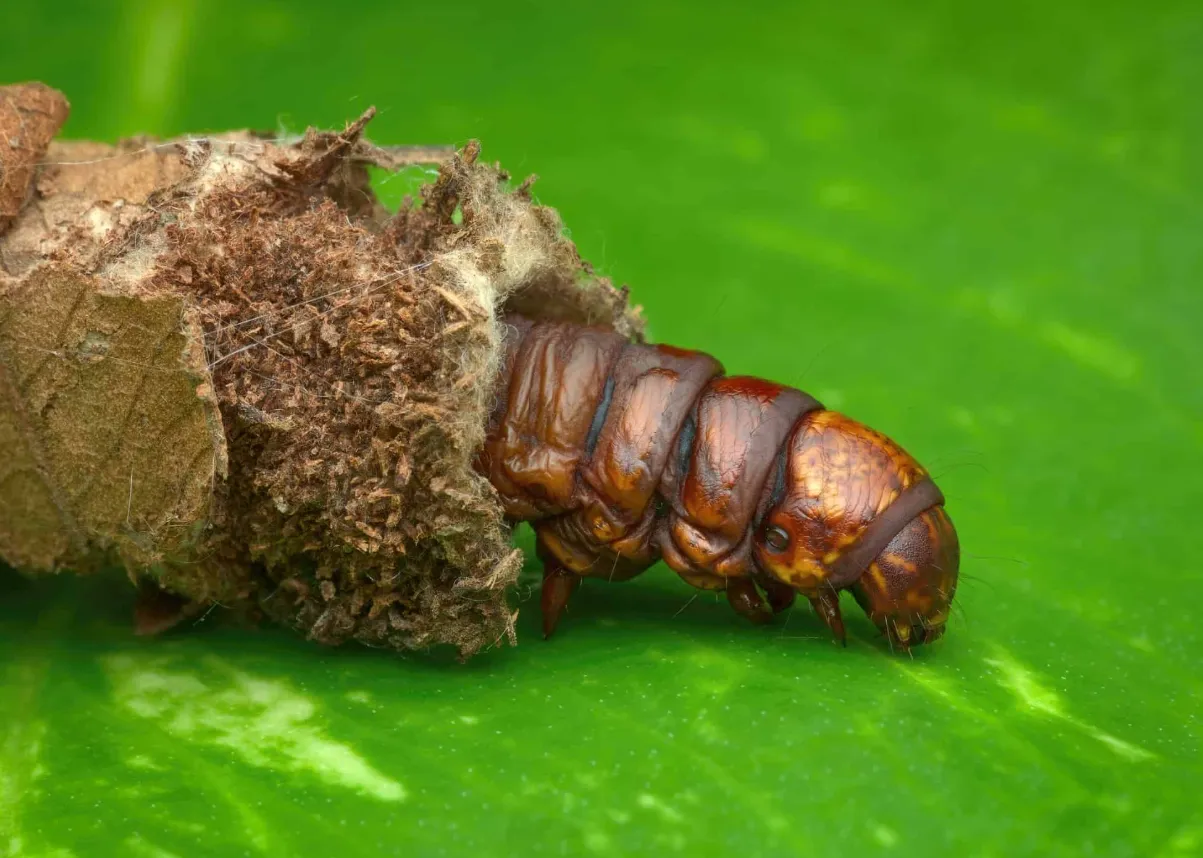
The common outdoor bagworm moth is usually linked with the family Psychidae. The best-known species in many North American landscapes is Thyridopteryx ephemeraeformis, often called the evergreen bagworm or common bagworm. Its larvae build bags from silk mixed with bits of leaves, bark, twigs, and plant debris. These bags serve as shelter and camouflage, and later as the pupal case.
Q: How long is the bagworm life cycle?
A: Most common outdoor bagworms have one generation per year. Eggs overwinter inside the female’s old bag, hatch in late spring or early summer, feed through summer, pupate, mate, and produce eggs for the next year.
Q: What stage causes the most plant damage?
A: The larval stage, also called the bagworm moth caterpillar stage, causes the damage. Young larvae scrape leaf surfaces, while larger larvae chew heavily and may defoliate evergreens.
Q: When is bagworm treatment most effective?
A: Bagworm treatment works best when larvae are small and actively feeding. Hand removal is useful before eggs hatch, while sprays such as Bacillus thuringiensis var. kurstaki, spinosad, neem-based products, or labeled insecticides are more effective on young caterpillars.
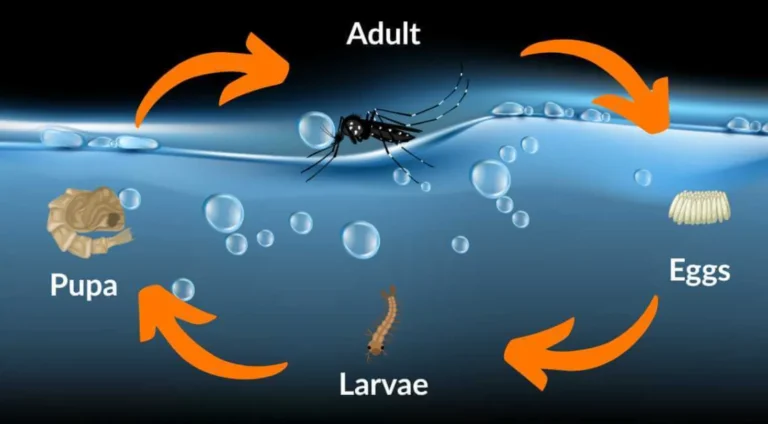
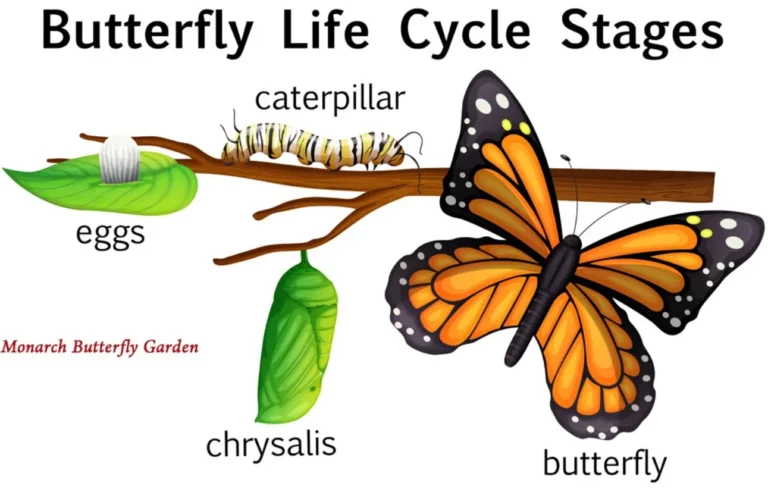
Quick Life Cycle Table
| Stage | What Happens | Best Time to Notice |
| Egg | Eggs remain in the old female bag throughout winter. | Fall to early spring |
| Young larva | Tiny caterpillars hatch and begin making small bags. | Late spring to early summer |
| Growing caterpillar | Larvae feed, molt, and enlarge the bag as they consume plant material. | Summer |
| Mature larva | Larger caterpillars stop feeding and attach the bag tightly. | Late summer |
| Pupa | The insect transforms inside the sealed bag. | Late summer to early fall |
| Adult male moth | A winged male leaves its bag and searches for a female. | Early fall |
| Adult female | Wingless females stay in the bag, mate, and produce eggs. | Fall |
| Overwintering eggs | The next generation waits inside the bag until spring. | Winter |

Important Things That You Need To Know
Many people use the word bagworm for different case-building insects, but not all of them are the same. The outdoor bagworm moth that damages trees and shrubs is usually a member of Psychidae. In contrast, the indoor plaster bagworm is commonly known as the household casebearer and belongs to Tineidae, the same broad group as clothes moth relatives. Mississippi State University Extension notes that plaster bagworm larvae live in small, flattened cases and often feed on spider webs, dead insect parts, wool, silk, feathers, hair, and similar materials indoors.
This matters because bagworm control depends on the insect and the location. Outdoor bagworm caterpillar control focuses on trees and shrubs. Indoor plaster bagworm control focuses on cleaning, vacuuming, lowering humidity, removing spider webs, and storing fabric properly.
A true outdoor bagworm moth caterpillar eats plant material and builds a hanging bag that often resembles a small pinecone or a dead plant part. The bag grows as the caterpillar grows. A plaster bagworm case is usually flatter, smaller, and more common on indoor walls, ceilings, and other areas such as closets, garages, and storage areas.
For outdoor landscapes, bagworm insecticide is most effective when larvae are young. Waiting until the bags are large makes control harder because the bags protect the caterpillars. For indoor plaster bagworms, sanitation is usually more important than spraying. Before choosing any bagworm treatment, identify where the insect is living and what it is eating.
The History of Their Scientific Naming
The common outdoor bagworm is often identified as Thyridopteryx ephemeraeformis. The name is connected to the scientific system used to classify insects based on shared body structures, development, and evolutionary relationships.
Key naming points:
- Bagworm moths belong to the insect order Lepidoptera, the same order that includes moths and butterflies.
- Their family name, Psychidae, refers to the group of moths whose larvae build portable protective cases or bags.
- The common name bagworm comes from the larva’s habit of carrying a silk-lined bag made from leaves, twigs, bark, and other local material.
- Thyridopteryx ephemeraeformis is the scientific name often used for the common or evergreen bagworm in North American landscapes. Texas A&M lists it as Thyridopteryx ephemeraeformis (Haworth) in the order Lepidoptera.
- The family Psychidae includes many species worldwide. Britannica describes bagworm moths as a family of about 1,350 species found worldwide, named for the baglike cases made by their larvae.
This scientific naming helps separate true outdoor bagworms from look-alike insects such as indoor casebearers.
Their Evolution And Their Origin
The evolution of bagworm moths is closely tied to survival through protection. Instead of relying only on speed, poison, or hiding under leaves, the bagworm caterpillar builds a mobile shelter. This bag protects the soft larval body from weather, some predators, and environmental stress.
The bag itself is a smart survival tool. It is made from silk and nearby materials, such as leaf pieces, bark fragments, twigs, sand, or other debris. Because the bag uses material from the same plant or surface where the insect lives, it often blends into the background. This natural camouflage makes bagworms difficult to see until the infestation becomes heavy.
Over time, this case-building behavior became a defining trait of the Psychidae family. Many species evolved wingless or nearly wingless females. This may seem like a weakness, but it helps explain why infestations often remain concentrated on the same tree or shrub. Female bagworms do not fly away. They stay in or near the bag, mate, and produce eggs inside the same protected structure.
The male, however, is usually winged. He leaves his bag, flies to locate the female, and mates. This split between a mobile male and a protected female is one of the most unusual features of the bagworm moth life cycle.
Their origin is not tied to one single habitat. Bagworm moths occur in many regions of the world. Some feed on green plants, while others use lichens or other organic materials. The common landscape bagworm became especially noticeable because it feeds on ornamental trees and shrubs planted around homes, roads, parks, and gardens.

Their main food and its collection process
The main food of an outdoor bagworm caterpillar is foliage. It feeds on leaves or needles from many trees and shrubs. Common host plants include arborvitae, juniper, cedar, pine, spruce, cypress, elm, maple, oak, sycamore, willow, and several fruit or ornamental plants. Texas A&M notes that bagworms feed on a wide range of broadleaf and evergreen trees and shrubs, and severe feeding can defoliate host plants.
Their feeding and collection process works like this:
- Hatching begins inside the old bag. Tiny larvae come out from eggs that spent winter inside the female’s bag.
- Young larvae move to fresh foliage. Some lower themselves on silk threads and may be carried by the wind to nearby plants.
- The caterpillar starts feeding. It chews leaf surfaces or needles while keeping most of its body inside the small bag.
- It collects building material. As it feeds, the larva cuts and gathers small pieces of leaves, needles, bark, and twigs.
- The bag grows with the caterpillar. Each time the larva becomes larger, it adds more material to the bag.
- Waste exits from the lower opening. The bag has openings that allow feeding, movement, and removal of frass.
- Feeding becomes heavier with age. Young larvae may make small holes, while mature larvae can remove large amounts of foliage.
This is why early detection matters. Small larvae are easier to manage. Large larvae are better protected and can quickly damage evergreens.
Their life cycle and ability to survive in nature
Egg Stage
The egg stage is the quiet survival stage. After mating, the female produces eggs inside the bag. These eggs remain protected through winter. In many areas, one female bag may contain hundreds of eggs. Nebraska Extension notes that a single female’s bag may contain 200–300 eggs, while other extension sources report higher numbers for some populations.
Larval Stage
The larval stage is the active feeding stage. Young larvae hatch in late spring or early summer and quickly build tiny bags. They feed, molt, and enlarge the bag as they grow. This stage gives them the energy needed for pupation and reproduction.
Pupal Stage
When fully grown, the larva attaches the bag firmly to a twig, branch, fence, or other structure. It then seals the bag and changes into a pupa. This stage protects the insect while it transforms into the adult form.
Adult Stage
The adult stage is short. The male becomes a winged moth and flies to find a female. The female usually remains inside the bag, wingless and unable to fly. After mating, she produces eggs, and the cycle begins again.
Their survival depends on camouflage, silk strength, protected eggs, and the female’s habit of staying inside the bag.
Their Reproductive Process and raising their children
The bagworm reproductive process differs from that of many other moths because the adult female is usually wingless and remains inside the bag. She does not search for food or fly to another plant. Her main role is reproduction.
Important reproductive points:
- The male leaves the bag. A mature male bagworm moth emerges with wings and flies in search of a female.
- The female stays protected. The adult female remains inside her bag and emits chemical signals, or pheromones, to attract males.
- Mating happens through the bag opening. The male reaches the female while she remains inside the protective case.
- Eggs are placed inside the bag. After mating, the female produces eggs inside the old bag, where they remain protected.
- The female dies after reproduction. Her life as an adult is short and focused almost completely on producing the next generation.
- There is no parental care like birds or mammals. Bagworms do not feed, guard, or teach their young after hatching.
- The bag acts like a nursery. Even though the mother does not raise the young directly, the old bag protects the eggs from the weather and some enemies.
- Young larvae start life independently. When they hatch, they leave the egg mass and begin feeding, moving, and building their own nests.
Because females do not fly, new generations often build up on the same plant. This is why one unnoticed bag can turn into many bags over several seasons.
The importance of them in this Ecosystem
Part of the Food Web
Although bagworms can damage ornamental plants, they still play a role in nature. They are food for birds, small mammals, predatory insects, and parasitic wasps. UConn notes that several species of parasitic wasps attack common bagworms and may also be eaten by predators such as sparrows and white-footed mice.
Natural Plant Population Pressure
In natural areas, leaf-feeding insects can help shape plant growth. Small populations of bagworm caterpillars remove some foliage, which may become part of normal ecological pressure. Problems usually become more serious in managed landscapes where the same host plants are planted close together.
Shelter Builders in Nature
Bagworms also show how insects use available materials. Their bags are made from silk and local debris. This behavior helps recycle tiny plant fragments and adds to the variety of insect survival strategies in an ecosystem.
Hosts for Parasitoids
Parasitic wasps depend on insects like bagworms for part of their life cycle. When people spray broad-spectrum insecticides too often, they may reduce these helpful natural enemies. That can disturb the balance between pests and predators.
Warning Sign for Plant Health
A bagworm outbreak can also tell gardeners something about the landscape. Stressed plants, repeated infestations, low predator activity, and dense plantings may all help bagworms increase. So, bagworms are not only pests; they are also signals of how balanced or unbalanced a planting area is.
What to do to protect them in nature and save the system for the future
Bagworms can be pests, but the goal should not always be to destroy every insect. A healthy ecosystem needs balance. The best approach is to protect natural systems while preventing heavy damage to valuable trees and shrubs.
- Use hand removal first when possible. Pick off bags from small trees and shrubs before eggs hatch. This reduces the population without harming beneficial insects.
- Do not spray without checking the plant. Treat only when live young larvae are present. Empty old bags do not need chemical treatment.
- Protect natural enemies. Birds, predatory insects, and parasitic wasps help control bagworms. Avoid unnecessary broad-spectrum sprays.
- Choose targeted bagworm treatment. Products such as Bacillus thuringiensis var. kurstaki are most effective on young caterpillars and are often less disruptive than harsh chemicals when used correctly.
- Read every insecticide label. Use only products labeled for the plant, pest, and location. Follow timing, dosage, and safety directions.
- Improve plant diversity. Avoid planting long rows of the same host plant, such as only arborvitae or only juniper. Mixed planting can slow pest buildup.
- Keep plants healthy. Water during drought, mulch properly, and avoid plant stress. Healthy plants recover better from light feeding.
- Leave wild spaces alone when damage is low. In natural areas, small bagworm populations can remain part of the food web.
- Clean indoor plaster bagworm areas. For plaster bagworm, remove spider webs, dust, hair, lint, and dead insects—lower humidity where possible.
- Monitor every season. Look for bags in fall, winter, and early spring before the next generation hatches.

Frequently Asked Questions (FAQs)
Q1: What is the bagworm life cycle?
A: The bagworm life cycle includes egg, larva, pupa, adult male moth, adult female, and overwintering egg stages. The larva builds the bag, feeds through summer, pupates inside the bag, mates as an adult, and leaves eggs for the next year.
Q2: Are bagworms moths or worms?
A: Bagworms are not true worms. They are the caterpillar stage of a bagworm moth. The word “worm” is used because the larva resembles a worm and lives inside a bag.
Q3: What does a bagworm caterpillar eat?
A: A bagworm caterpillar eats foliage from trees and shrubs. Common hosts include arborvitae, cedar, juniper, pine, spruce, maple, oak, willow, elm, and other ornamental plants.
Q4: When should I start bagworm control?
A: Start bagworm control in late fall, winter, or early spring by removing bags by hand. If using sprays, treat when young larvae hatch and begin feeding in late spring or early summer.
Q5: What is the best bagworm insecticide?
A: The best bagworm insecticide depends on timing, plant type, and infestation level. Bacillus thuringiensis var. kurstaki, spinosad, neem-based products, pyrethroids, and other labeled products may be used, but they work best when larvae are small. Always follow the label.
Q6: Do bagworms kill trees?
A: Heavy infestations can kill evergreens such as arborvitae and juniper because these plants may not regrow lost foliage well. Deciduous trees often recover better, but repeated defoliation can weaken them.
Q7: What is the difference between the bagworm and the plaster bagworm?
A: Outdoor bagworms usually belong to Psychidae and feed on plants. Plaster bagworms are indoor household casebearers that often feed on spider webs, dead insects, wool, hair, lint, feathers, and other organic materials.
Q8: Can bagworms spread from one plant to another?
A: Yes. Young larvae can move by crawling or by hanging from silk threads and being carried by the wind. Because adult females do not fly, infestations often stay near the original plant but can slowly spread to nearby hosts.
Conclusion
The bagworm life cycle is simple on the surface but highly effective in nature. Eggs survive inside the old female bag, young larvae hatch and build their own protective cases, caterpillars feed through summer, and adults reproduce before the next generation waits through winter. The bag is the key to their success. It protects, hides, and supports the insect from larva to pupa.
For homeowners and gardeners, the best plan is to act early. Remove old bags before the spring hatch, check plants often, and use bagworm treatment only when needed. For indoor plaster bagworm, cleaning and reducing food sources are usually the first steps. Bagworms can damage plants, but they also belong to the wider food web. Smart control means protecting trees without harming the natural balance around them.
Also Read: life cycle of the chicken
About the Author