The spider life cycle is a fascinating journey that spans several stages, from egg laying to adulthood. These arachnids play a vital role in controlling insect populations and contribute significantly to the biodiversity of our ecosystems. Whether you’re a nature enthusiast or a curious individual, understanding how spiders grow and reproduce can provide fascinating insights into the lives of these often-misunderstood creatures.
Quick Answers (Most Common Questions):
- What is the life cycle of a spider?
- The spider life cycle consists of four main stages: egg, larva (nymph), juvenile, and adult. The process begins when the female spider lays eggs, which hatch into tiny spiderlings. These then undergo several molts before becoming adults.
- How long does a spider live?
- A spider’s lifespan varies greatly depending on the species. Most spiders live for one to two years, but some species, like tarantulas, can live for up to 30 years in captivity.
- How do spiders reproduce?
- Spiders reproduce sexually. The male spider often performs a courtship dance to attract a female, and once mating occurs, the female lays eggs, which hatch into spiderlings after a few weeks.
Quick Life Cycle Table:
| Stage | Duration | Description |
| Egg | Weeks to Months | Females lay eggs in sacs. Some species protect them, while others abandon them. |
| Larva | 1–2 Weeks | Eggs hatch into tiny spiderlings that are vulnerable and rely on their surroundings. |
| Juvenile | Months to Years | Spiderlings molt several times as they grow into adults, becoming more independent. |
| Adult | 1–2 Years | Fully grown and capable of reproduction, adults continue the cycle with mating and egg-laying. |

The History of Their Scientific Naming
Spiders belong to the order Araneae, a group that includes thousands of species with distinct characteristics. The scientific naming of spiders follows a binomial nomenclature system, which assigns each species a genus and species name. For example, the common house spider is named Parasteatoda tepidariorum. This classification helps scientists categorize spiders based on shared features such as body structure, venom, and web-building techniques. The evolution of their scientific names over time reflects advancements in arachnology and the growing understanding of these creatures.
Their Evolution and Their Origin
Spiders are ancient creatures that have been around for over 300 million years, dating back to the Devonian period. The first spiders likely evolved from an ancestor similar to today’s sea-dwelling arachnids. Over time, they adapted to life on land, developing specialized features such as silk-producing spinnerets and venomous fangs to subdue prey.
The earliest spiders had simple, non-web-building behaviors. However, over time, many species evolved complex silk-spinning abilities, enabling them to create webs for trapping prey and for shelter. Some spiders, like the jumping spider, don’t rely on webs at all; they use their silk for mobility and safety instead.
These evolutionary adaptations allowed spiders to thrive across various ecosystems, from deserts to rainforests, helping control insect populations worldwide.
Their Main Food and Its Collection Process
Spiders are predominantly carnivores and feed primarily on insects. The process of catching and consuming prey involves a combination of patience, strategy, and specialized techniques. Here’s a breakdown:
- Web-building Spiders: These spiders construct intricate webs to trap prey. Once an insect gets caught, the spider rushes to immobilize it with venom and wraps it in silk.
- Ambush and Hunting Spiders: These species don’t rely on webs; instead, they actively hunt for their food. For example, jumping spiders use their excellent vision to stalk and pounce on their prey.
- Venom and Digestive Process: Spiders inject venom into their prey, liquefying the tissues, which they then consume using digestive enzymes.
Their Life Cycle and Ability to Survive in Nature
Life Cycle Stages in Detail:
- Egg Stage: The female spider lays eggs in sacs, sometimes protecting them until they hatch.
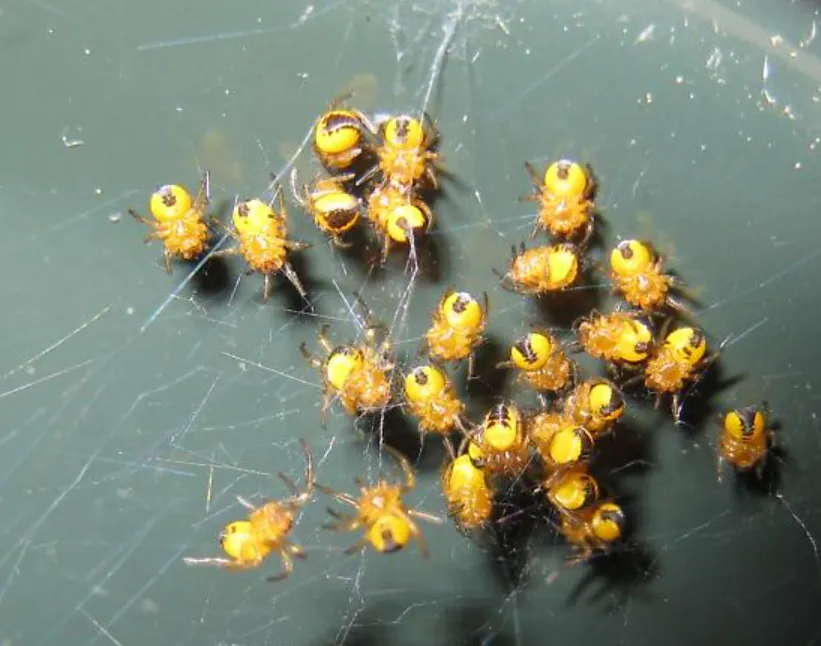
- Nymph (Larva) Stage: Upon hatching, the spiderlings are very small and look like miniature versions of the adult. This stage is essential for survival as they learn to navigate their environment.
- Juvenile Stage: After several molts, the juvenile spider becomes more independent and begins hunting and, if applicable, building webs.
- Adult Stage: Once they reach maturity, spiders can reproduce and complete the life cycle.
Spiders are highly adaptable, surviving in a variety of habitats, from forests to homes to even the harshest conditions. Their ability to survive in diverse environments is aided by their keen hunting skills, silk-producing abilities, and defensive traits, such as venomous bites.
Their Reproductive Process and Raising Their Children
Spiders engage in unique reproductive behaviors. Typically, after mating, the female spider lays several eggs, often in a silk sac for protection. Some species exhibit maternal care, guarding the eggs until they hatch. However, in many species, maternal protection is limited, and once the eggs are laid, the female often leaves them to develop on their own. Upon hatching, the spiderlings may stay close to the sac for some time before venturing out to fend for themselves.
In certain species, particularly those with larger lifespans like tarantulas, there are more involved forms of care, such as females guarding their young until they can hunt on their own.

Importance of Them in This Ecosystem
Ecological Role:
Spiders play an essential role in controlling insect populations, particularly pests. By preying on flies, mosquitoes, and other insects, spiders help maintain the balance of ecosystems. Their role in regulating these populations prevents overpopulation and the spread of insect-borne diseases. Additionally, spiders themselves serve as prey for larger predators, contributing to the food web.
Moreover, spiders provide natural pest control in agriculture and gardens, reducing the need for chemical pesticides that can harm the environment.
What to Do to Protect Them in Nature and Save the System for the Future
To ensure the survival of spiders and the health of our ecosystems, it’s essential to take certain steps:
- Avoid Pesticides: Refrain from using harmful chemicals that can kill spiders and other beneficial insects.
- Create Spider Habitats: Encourage spiders by creating a welcoming environment, such as leaving undisturbed areas in gardens or homes.
- Educate Others: Raise awareness of spiders’ vital role in ecosystems, fostering greater understanding and appreciation.
By taking these actions, we can help preserve spider populations and maintain the balance of our ecosystems.
Important Things That You Need to Know
Spiders, despite their fear factor, are invaluable to our environment. Here are some crucial facts:
- Spiders are not pests: They serve as natural pest controllers, keeping insect populations in check.
- Different species, different webs: While some spiders create intricate webs, others, like the black widow spider, do not build webs at all but rather hide in dark crevices.
- Venomous, but not all dangerous: Only a few spider species, such as the black widow spider and brown recluse, pose a risk to humans. Most spiders’ bites are harmless and often go unnoticed.
- Spiders’ role in the food chain: They are both predators and prey, supporting a variety of other species.

Frequently Asked Questions (FAQs)
1. How long does a spider live?
Spiders’ lifespans vary greatly by species. On average, most spiders live for about one to two years. However, some species, like tarantulas, can live for up to 30 years, especially in captivity. The lifespan also depends on environmental factors such as climate, food availability, and predation pressure.
2. What is the spider’s primary diet?
Spiders are carnivorous and primarily feed on insects. They use their venom to immobilize or kill prey, which is then consumed by sucking out the liquefied tissue. Common food sources include flies, mosquitoes, moths, beetles, and even small rodents or birds in the case of larger spiders like tarantulas.
3. Do spiders build webs?
Not all spiders build webs. Web-building spiders, such as orb-weavers, create intricate silk structures to catch prey. However, other species, such as jumping spiders, wolf spiders, and tarantulas, do not rely on webs to catch food. These spiders are more active hunters, using their silk mainly for safety or mobility.
4. Are spiders dangerous to humans?
While many people fear spiders, most are not dangerous to humans. Only a small number of species, like the black widow spider and brown recluse, are venomous enough to cause harm. Even then, bites from these spiders are rarely fatal and often cause localized reactions. Spiders are not aggressive and will usually avoid humans if possible.
5. How do spiders reproduce?
Spiders reproduce sexually. The male spider performs a courtship ritual to attract a female, often offering her a prey item. Once mating occurs, the female lays eggs in sacs, which she may guard until they hatch. The eggs hatch into spiderlings, which undergo several molts before becoming adults capable of reproducing.
6. Can spiders be found indoors?
Yes, spiders can be found indoors, especially in areas with abundant food sources and hiding spots. Common indoor spiders include house spiders, cellar spiders, and the American brown recluse. These spiders tend to stay in quiet, undisturbed areas, such as basements, attics, or corners, where they can spin webs and catch prey.
7. What are the main types of spiders?
There are thousands of spider species, but some of the most common types include:
- Orb-weavers: Known for their circular webs, such as the garden spider.
- Jumping spiders: Small, agile hunters that don’t rely on webs to catch prey.
- Tarantulas: Large, hairy spiders that are often kept as pets.
- Wolf spiders: Ground-dwelling hunters that actively pursue their prey.
8. How can spiders help in pest control?
Spiders are natural pest controllers. By preying on insects like mosquitoes, flies, and agricultural pests, they help reduce the need for chemical pesticides. Their presence can significantly lower the populations of harmful insects in gardens, farms, and even homes, maintaining the balance of the ecosystem.
Conclusion
Understanding the spider life cycle highlights not only their fascinating development but also the importance they hold within ecosystems. From their early egg stage to their role as apex predators of insects, spiders maintain a delicate balance in nature. By protecting them and fostering environments that allow them to thrive, we can ensure that these misunderstood creatures continue to benefit the planet for years to come. Spiders are truly unsung heroes of the natural world, deserving of our respect and protection.
Also Read: life cycle of a angiosperm
About the Author