The life cycle of a Flower is an intricate and beautiful process that allows plants to propagate and ensure the survival of future generations. Every stage of the flower’s life—from seed germination to full bloom—is a testament to the wonders of nature. Understanding the life cycle of flowers is essential for gardeners, environmentalists, and anyone passionate about plants. In this article, we’ll walk you through each stage of a flower’s life, explore the importance of flowers in ecosystems, and provide valuable tips on how we can help protect them.
Quick Answers to Common Questions about the Flower Life Cycle:
- What are the stages of a flower’s life cycle?
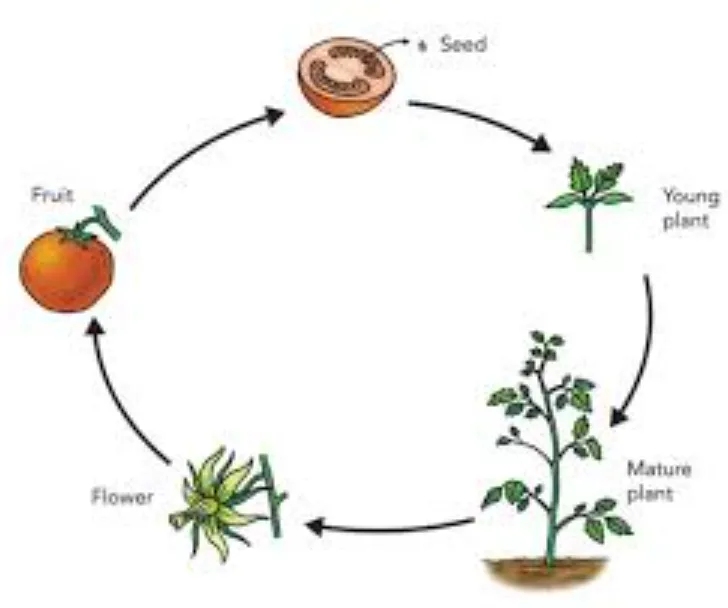
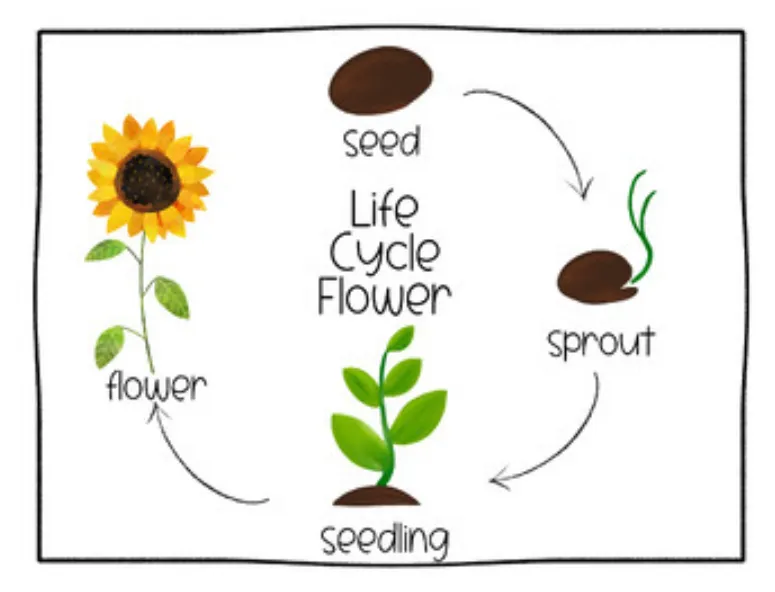
- The flower’s life cycle includes several stages: seed, germination, seedling, mature plant, flowering, pollination, and seed production. Each stage has its unique characteristics and plays a crucial role in the flower’s survival.
- How long does it take for a flower to complete its life cycle?
- The time taken for a flower to complete its life cycle varies by species. Some flowers, like annuals, may complete their life cycle in a few months, while others, like perennials, may take years.
- What role do flowers play in the ecosystem?
- Flowers are critical for pollination, which helps plants reproduce and contributes to biodiversity. They also serve as food sources for pollinators like bees and butterflies, which are vital to the survival of many plant species.
Quick Life Cycle Table
| Stage | Description |
| Seed | The flower begins as a seed, which contains genetic material to form a new plant. |
| Germination | The seed absorbs water and starts to sprout, forming roots and shoots. |
| Seedling | The young plant grows leaves and stems, preparing for the flowering stage. |
| Mature Plant | The plant matures and is ready to bloom. |
| Flowering | The plant produces flowers that facilitate reproduction through pollination. |
| Pollination | Pollen is transferred from one flower to another, enabling fertilization. |
| Seed Production | The fertilized flower produces seeds that will grow into new plants. |

The History of Their Scientific Naming
The scientific naming of flowers has evolved significantly over time. The process was formalized in the 18th century by Swedish botanist Carl Linnaeus, who introduced the binomial nomenclature system. This system assigns each plant a two-part Latin name: the genus and species. For example, the sunflower is scientifically known as Helianthus annuus, where Helianthus is the genus and annuus is the species.
Linnaeus’s work revolutionized the classification of plants and remains the foundation of modern taxonomy. It helped standardize plant identification worldwide, enabling botanists and researchers to communicate clearly and efficiently. Today, flowers are named based on their physical characteristics, such as color, size, and shape, as well as their genetic relationships with other plants.
Their Evolution and Their Origin
Flowers evolved millions of years ago, during the Mesozoic Era, from plants that did not produce flowers, such as ferns and conifers. Early flowering plants (angiosperms) were more adaptable to changing environments and developed specialized structures to attract pollinators. Over time, these flowers evolved into the diverse range of species we see today.
The first true flowers are believed to have evolved around 140 million years ago. These early flowers were small and simple, but over millions of years, they became larger, more complex, and more colorful to attract pollinators. The evolution of flowers is closely tied to that of pollinators, such as bees, butterflies, and birds, which have evolved traits to access nectar and pollen.
In addition to attracting pollinators, flowers evolved to produce seeds encased in fruit, an important development for plant survival. The fruit protects the seed and aids in seed dispersal, allowing flowers to spread and thrive in different environments.
Their Main Food and Its Collection Process
Flowers, like all plants, rely on photosynthesis to generate the energy they need to grow and reproduce. During photosynthesis, plants use sunlight, carbon dioxide, and water to produce glucose, a form of sugar that serves as the plant’s primary energy source.
Here’s how the process works:
- Absorption of Water and Nutrients: Flowers absorb water and essential minerals from the soil through their roots. These nutrients are vital for their growth and health.
- Sunlight Capture: The plant’s leaves contain chlorophyll, a green pigment that captures sunlight. Chlorophyll absorbs sunlight and uses its energy to drive photosynthesis.
- Glucose Production: Using the energy from the sun, plants combine carbon dioxide from the air with water from the soil to produce glucose. This glucose is then transported throughout the plant to provide energy for growth, flowering, and reproduction.
- Storage of Excess Energy: Any excess glucose that the plant does not immediately use is stored in the form of starch in various parts of the plant, including the roots, stems, and leaves. This stored energy helps the plant survive during times of stress or when resources are scarce.

Their Life Cycle and Ability to Survive in Nature
How Flowers Adapt and Thrive in Nature
Flowers have evolved a variety of survival mechanisms that enable them to thrive in the wild. Some of these include:
- Environmental Adaptations: Flowers can adapt to diverse climates, from the dry heat of deserts to the humidity of rainforests. For example, cacti have developed thick, waxy coatings to reduce water loss, while tropical flowers have large, broad leaves to capture more sunlight.
- Pollinator Attraction: Flowers produce vibrant colors, sweet fragrances, and nectar to attract pollinators like bees, birds, and butterflies. These pollinators are crucial for the plant’s reproductive process.
- Seed Dormancy: Some flowers produce seeds that remain dormant until the environmental conditions are right for growth. This ensures that the plant’s offspring will only germinate when conditions are favorable.
- Protection from Herbivores: Some flowers produce toxic compounds or have thorns and prickly structures to deter herbivores from eating them. Others have a pungent smell that repels animals.
By developing these and other survival strategies, flowers have thrived in diverse environments worldwide, ensuring their survival and propagation.
Their Reproductive Process and Raising Their Children
Flowers reproduce through a process called pollination, which involves the transfer of pollen from one flower to another. This allows fertilization to occur and seeds to be produced. Here’s how it works:
- Pollination: Pollen is transferred from the male anther to the female stigma of another flower. This process can happen via wind, water, or animals, with insects being the most common pollinators.
- Fertilization: Once pollen reaches the stigma, it travels down the style and enters the ovule, where fertilization occurs. The fertilized ovule develops into a seed.
- Seed Dispersal: Once the seeds are ready, they are dispersed through various mechanisms. The wind carries some seeds, while others are spread by animals that consume the fruit and later excrete the seeds elsewhere.
- Germination and Growth: Seeds that land in fertile soil will germinate, and the young plant will begin to grow, eventually producing flowers of its own to continue the cycle.
Importance of Flowers in the Ecosystem
Why Flowers Matter in Nature
Flowers are essential for the health of our ecosystems. Here’s why:
- Pollination and Food Production: Flowers are a primary food source for pollinators like bees and butterflies. These pollinators, in turn, help fertilize other plants, leading to the production of fruits and seeds that sustain entire ecosystems.
- Biodiversity: Flowers support biodiversity by providing habitats and food for various species. A diverse range of flowers supports a wide variety of animals, insects, and birds.
- Carbon Sequestration: As part of photosynthesis, flowers absorb carbon dioxide from the atmosphere, helping to reduce the amount of CO2 in the air and mitigating climate change.
- Soil Health: Flowers help maintain healthy soil by promoting the growth of beneficial microorganisms. Their root systems can also help prevent soil erosion, improving soil quality over time.
Without flowers, the natural balance of ecosystems would be disrupted, leading to a loss of biodiversity and food sources for humans and wildlife.
What to Do to Protect Flowers in Nature and Save the System for the Future
How We Can Protect Flowers and Their Habitats
- Plant Native Flowers: Encourage the planting of native flowers in gardens and landscapes. Native species are adapted to local conditions and provide the best support for local wildlife.
- Limit Pesticide Use: Avoid using harmful pesticides that can kill pollinators and damage flower populations. Instead, opt for natural pest control methods.
- Preserve Habitats: Protect natural habitats by supporting conservation efforts and reducing urban sprawl. This will help preserve the natural environments that flowers depend on.
- Raise Awareness: Educate others about the importance of flowers and pollinators. Advocate for policies that protect flowers and their ecosystems.
By taking these steps, we can help ensure that flowers continue to thrive for generations to come.

Frequently Asked Questions (FAQs)
- What are the stages of the flower life cycle?
- The stages include seed, germination, seedling, mature plant, flowering, pollination, and seed production.
- How do flowers reproduce?
- Flowers reproduce through pollination, where pollen is transferred from one flower to another, leading to fertilization and seed production.
- Why are flowers important for pollinators?
- Flowers provide food sources, such as nectar and pollen, for pollinators like bees and butterflies, which are essential for the reproduction of many plant species.
- What factors influence the life cycle of a flower?
- Factors such as temperature, sunlight, water availability, and soil conditions can significantly affect the growth and development of flowers.
- How long does it take for a flower to bloom?
- The time it takes for a flower to bloom varies by species. Some flowers bloom within weeks, while others may take months or even years to mature.
- Can flowers grow without pollinators?
- While some flowers can self-pollinate, many rely on pollinators like bees and butterflies to ensure successful fertilization and seed production.
- What is the best way to protect flowers in your garden?
- Use organic gardening methods, avoid pesticides, and plant native flowers to support local ecosystems.
- How do flowers adapt to different environments?
- Flowers adapt through various mechanisms, such as adjusting their blooming times, developing drought-resistant features, or attracting specific pollinators to their location.
Conclusion
The life cycle of a flower is not just a beautiful process but a crucial one for maintaining biodiversity and ecosystem health. From seed to bloom, flowers contribute to pollination, food production, and soil health, all while providing shelter and sustenance for pollinators.
As we become more aware of the importance of flowers, it’s up to us to protect them and their habitats. Whether by planting native species, reducing pesticide use, or advocating for conservation, we all have a role in ensuring that flowers continue to flourish in nature for generations to come.
Also Read: life cycle of a dragonfly
About the Author