The life cycle of a moth is a fascinating and intricate process that unfolds through several stages, each crucial for their development and survival. Moths, often overshadowed by their butterfly cousins, are incredibly diverse and vital members of the insect world. Among the most famous moths are the hummingbird moth, rosy maple moth, atlas moth, and lunar moth. While they all share common characteristics, each species has unique traits and adaptations suited to its environment.
Here are some quick answers to the most common questions about moths:
- What are the stages of a moth’s life cycle?
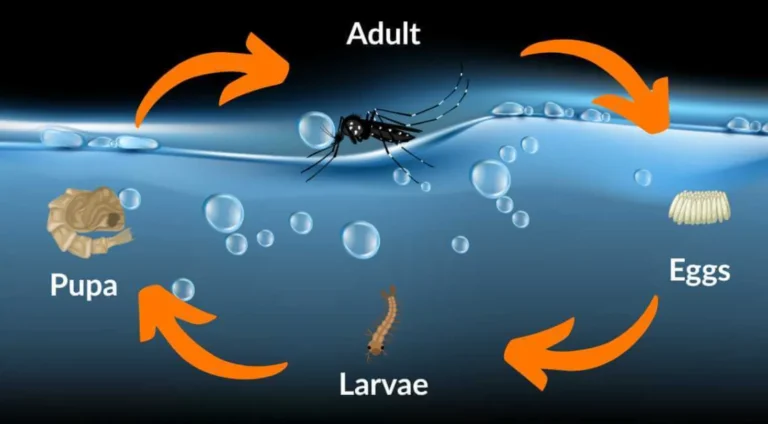
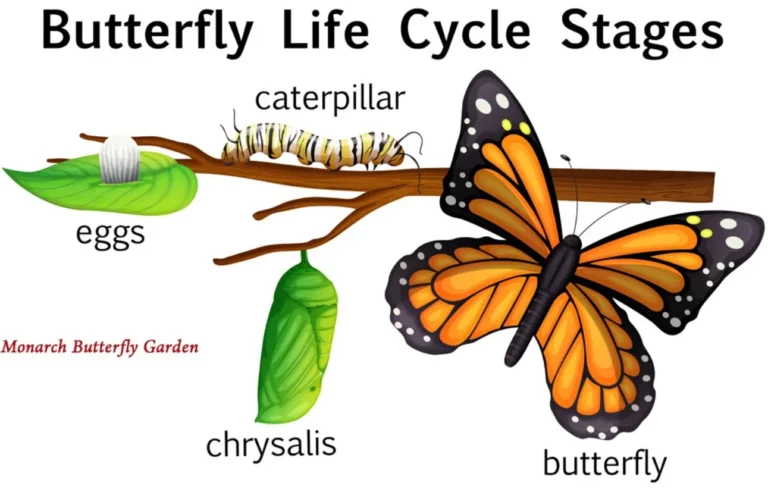
- A moth’s life cycle includes four main stages: egg, larva (caterpillar), pupa (cocoon), and adult (moth).
- How long does a moth live?
- The lifespan of a moth can vary, but generally, the entire life cycle takes anywhere from a few weeks to several months, depending on the species.
- Why do moths play an important role in ecosystems?
- Moths are crucial pollinators and serve as food for many other animals, maintaining balance in various ecosystems.
Quick Life Cycle Table
| Stage | Duration | Key Features |
| Egg | A few days to weeks | Moths lay their eggs on leaves or tree bark, where they hatch into larvae. |
| Larva | Several weeks | The caterpillar stage, where the moth feeds and grows. This is when they cause the most damage to plants in some species. |
| Pupa | 1–3 weeks | The moth enters a cocoon, or chrysalis, and transforms into an adult moth. |
| Adult | 1–2 weeks | Once fully developed, the moth emerges as an adult, ready to reproduce and begin the cycle anew. |

The History of Their Scientific Naming
Moths belong to the order Lepidoptera, which also includes butterflies. The name Lepidoptera is derived from the Greek words “lepido,” meaning “scale,” and “pteron,” meaning “wing.” Moths were first classified by Carl Linnaeus, a Swedish naturalist, in the 18th century. He is credited with naming many species and categorizing moths based on their characteristics, such as size, color, and behavior. Today, moths are identified by various scientific names, such as the Atlas moth (Attacus atlas) and the Lunar moth (Actias luna), each reflecting their unique attributes.
Their Evolution and Their Origin
Moths have a long evolutionary history, dating back to the late Jurassic period, around 150 million years ago. Their earliest ancestors were likely nocturnal insects that evolved to avoid predators by being active during the night. Over time, moths developed various adaptations that helped them thrive in different environments, including their diverse coloration, wing patterns, and nocturnal behaviors.
Moths are thought to have evolved from primitive lepidopterans that lived in the forests of ancient Gondwana, which later split into the continents we know today. The diversity we see today is the result of millions of years of evolution, with moths adapting to various ecological niches and coevolving with the plants they pollinate. Some species of moths have developed unique traits, such as the rosy maple moth’s striking pink and yellow wings or the hummingbird moth’s ability to hover like a hummingbird while feeding.
Their Main Food and Its Collection Process
Moths are herbivores in their larval stage, primarily feeding on leaves, stems, and other plant matter. Their food collection process is quite methodical:
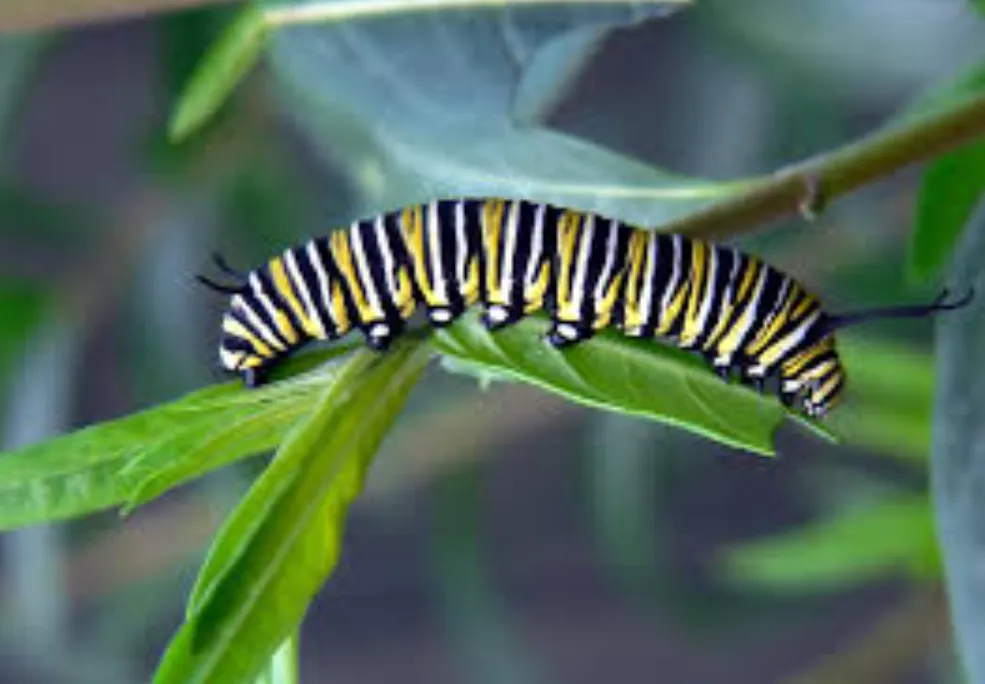
- Feeding on Plant Matter: Moth larvae, also known as caterpillars, are voracious eaters. They consume leaves and other plant parts, often causing significant damage to plants. This feeding stage is essential for their growth and development.
- Plant Selection: Plant type varies by species. For instance, Lunar moths often prefer trees like birches and walnuts, while Rosy maple moths are known to feed on maple trees.
- Final Stages of Feeding: Once the larvae have fed sufficiently, they stop eating and enter the pupa stage, where they transform into adults.
Their Life Cycle and Ability to Survive in Nature
Moth Life Cycle and Survival
Moths are known for their remarkable ability to survive and adapt in nature. The cycle begins when an adult moth lays its eggs, usually on plants. These eggs hatch into caterpillars, which immediately begin to feed. The larvae grow quickly, shedding their skin multiple times.
When it’s time to pupate, the caterpillar wraps itself in a protective cocoon. Inside the cocoon, the moth undergoes a dramatic transformation, eventually emerging as an adult. This process allows moths to survive in a variety of habitats, from dense forests to suburban backyards.
Moths’ ability to survive is enhanced by their flight, which helps them find mates and disperse over large areas. Additionally, some moth species have developed camouflage or toxic defenses to avoid predators, further ensuring their survival in nature.
Their Reproductive Process and Raising Their Children
Moths have a fascinating reproductive process that is integral to the continuation of their species:
- Mating Ritual: Male moths often use pheromones to attract females. Once a female is located, mating occurs, often in the dark of night.
- Egg Laying: After mating, females lay their eggs on the underside of leaves or tree bark, providing their offspring with a source of food once they hatch.
- Parental Investment: Unlike many animals, moths do not care for their offspring. The eggs hatch into caterpillars that are completely independent and must fend for themselves.
- Egg Protection: The location of eggs is often carefully chosen to avoid predation, with many moth species laying eggs on plants less likely to be eaten by predators.

Importance of Moths in the Ecosystem
The Role of Moths in the Ecosystem
Moths play several key roles in maintaining ecological balance:
- Pollination: Moths, particularly nocturnal species, are essential pollinators for a wide variety of plants. They help fertilize flowers by transferring pollen from one bloom to another, promoting plant reproduction.
- Food Source: Moths serve as an important food source for a range of predators, including birds, bats, and other insects. Their presence supports a balanced food web.
- Soil Health: As caterpillars feed on plant matter, they help decompose organic materials, enriching the soil and supporting plant growth.
- Biodiversity: Moths contribute to biodiversity by supporting a wide range of species across different ecosystems, from temperate forests to tropical jungles.
What to Do to Protect Moths in Nature and Save the System for the Future
Protecting moths is crucial to preserving biodiversity and maintaining ecosystem health. Here are some ways to protect them:
- Plant Moth-Friendly Plants: Encourage planting native plants and trees that provide food for moth larvae and act as natural habitats.
- Reduce Pesticide Use: Excessive pesticide use harms moth populations by killing both adults and larvae.
- Preserve Natural Habitats: Avoid disrupting natural habitats by protecting forests, meadows, and other ecosystems that moths rely on.
- Support Conservation Efforts: Get involved in or support conservation programs that protect moths and butterflies.
- Raise Awareness: Educate others about the importance of moths and their role in the environment.

Frequently Asked Questions (FAQs)
- What is the life span of a moth?
- Moths live for different lengths of time depending on the species, ranging from a few weeks to several months.
- Why are moths important for the environment?
- Moths help pollinate plants, serve as food for other animals, and contribute to soil health.
- What do moths eat?
- Moths primarily feed on plants, especially during their larval (caterpillar) stage.
- How do moths reproduce?
- Moths reproduce by mating at night; the female lays eggs on specific plants, which hatch into larvae.
- Why do moths fly at night?
- Moths are nocturnal creatures that evolved to avoid predators and pollinate night-blooming flowers.
- Can moths be harmful to plants?
- Some moth species, particularly their larvae, can damage plants by feeding on leaves and stems.
- How can I attract moths to my garden?
- Planting night-blooming flowers and reducing artificial lights can attract moths to your garden.
- How do moths protect themselves from predators?
- Many moths use camouflage to blend in with their surroundings, while others have toxic defenses.
Conclusion
Moths are often overlooked, but their life cycle, evolution, and ecological contributions are invaluable. From their role as pollinators to their importance as a food source for other wildlife, moths maintain balance in ecosystems. Protecting them is vital, as their decline could have significant consequences for the environment. By understanding their life cycle, history, and survival strategies, we can work together to ensure that moths continue to thrive in our natural world.
Also Read: life cycle lightning bug
About the Author