The life cycle of an angiosperm is one of the most fascinating and complex processes in the plant kingdom. Angiosperms, commonly known as flowering plants, dominate most terrestrial ecosystems and include everything from grasses and crops to trees and ornamental flowers. Understanding how an angiosperm grows, reproduces, and survives helps us appreciate the role these plants play in food production, oxygen supply, and biodiversity.
Angiosperms are unique because they produce flowers and seeds enclosed within fruits. Their life cycle involves both sexual and asexual processes, ensuring efficient reproduction and adaptability in various environments. From seed germination to pollination and seed formation, each stage is finely tuned for survival.
Quick Answers (Most Common Questions)
1. What is an angiosperm?
An angiosperm is a flowering plant that produces seeds enclosed within a fruit.
2. How long is the life cycle of an angiosperm?
It varies depending on the species—some complete it in weeks (annual plants), while others take years (trees).
3. What are the main stages of the angiosperm life cycle?
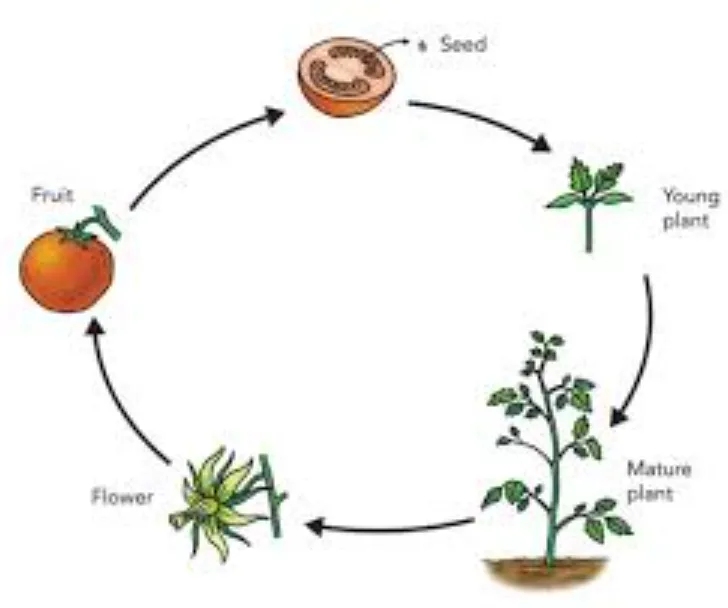
Seed → Germination → Growth → Flowering → Pollination → Fertilization → Seed formation.
Quick Life Cycle Table
| Stage | Description | Key Function |
| Seed | Dormant stage containing an embryo | Protection and survival |
| Germination | Seed sprouts under suitable conditions | Growth begins |
| Seedling | A young plant develops roots and leaves | Establishment |
| Mature Plant | A fully grown plant produces flowers | Reproduction readiness |
| Flowering | Formation of reproductive structures | Attract pollinators |
| Pollination | Transfer of pollen to the stigma | Initiates fertilization |
| Fertilization | Fusion of male and female gametes | Seed development |
| Fruit & Seed Formation | Seeds enclosed in fruit | Dispersal and continuation |

The History Of Their Scientific Naming
The scientific classification of angiosperms has evolved significantly over the centuries. Early botanists grouped plants based on visible features, but modern taxonomy uses genetic analysis.
- The term angiosperm comes from Greek words:
- angeion (vessel)
- sperma (seed)
- It was first widely used in the 17th century to describe plants with enclosed seeds.
- Carl Linnaeus, the father of modern taxonomy, classified flowering plants based on reproductive organs.
- Later systems, such as the APG (Angiosperm Phylogeny Group) classification, use DNA sequencing.
- Today, angiosperms are divided into two major groups: monocots and dicots.
This evolution in naming reflects our growing understanding of plant biology and evolutionary relationships.
Their Evolution And Their Origin
Angiosperms are believed to have originated around 140–160 million years ago during the early Cretaceous period. They rapidly diversified and became the dominant plant group on Earth.
Early angiosperms likely evolved from gymnosperm-like ancestors. Unlike gymnosperms, they developed enclosed seeds and flowers, which gave them a major evolutionary advantage.
The development of flowers allowed angiosperms to form relationships with pollinators such as insects, birds, and animals. This co-evolution increased pollination efficiency and genetic diversity.
Another key innovation was the formation of fruits. Fruits protect seeds and aid in dispersal through animals, wind, and water.
Over time, angiosperms adapted to different climates and environments. They now exist in deserts, forests, wetlands, and even aquatic habitats.
Their evolutionary success is largely due to:
- Efficient reproduction through flowers
- Rapid life cycles in some species
- Ability to adapt to diverse environments
- Symbiotic relationships with pollinators
Today, angiosperms represent over 80% of all plant species, making them the most dominant plant group on Earth.
Their Main Food and Its Collection Process
Angiosperms are autotrophic organisms, meaning they produce their own food through photosynthesis. This process occurs mainly in the leaves.
How Angiosperms Produce Food
- Leaves contain chlorophyll, which captures sunlight.
- Carbon dioxide is absorbed through stomata.
- Roots from the soil absorb water.
- These elements combine to produce glucose and oxygen.
Food Collection and Transport
- Roots absorb water and minerals from the soil.
- Xylem transports water upward to leaves.
- Phloem distributes food (glucose) to all plant parts.
Key Processes Involved
- Photosynthesis: Converts light energy into chemical energy
- Transpiration: Helps in water movement
- Respiration: Releases energy for growth
Additional Nutrient Sources
- Soil nutrients like nitrogen and phosphorus
- Organic matter from decomposed organisms
- Symbiotic relationships with fungi (mycorrhizae)
This efficient food production system allows angiosperms to grow rapidly and sustain large populations.

Important Things That You Need To Know
Understanding related concepts helps clarify the life cycle of an angiosperm. Below are key comparisons and definitions:
Angiosperm vs Gymnosperm
Angiosperms differ from gymnosperms mainly in seed structure. While angiosperms have enclosed seeds, gymnosperms have naked seeds (like pine cones). This enclosure provides better protection and dispersal.
Angiosperm Definition
An angiosperm is a plant that produces flowers and fruits containing seeds. This definition highlights its reproductive advantage.
Gymnosperm vs Angiosperm
Gymnosperms rely mainly on wind pollination, while angiosperms use animals and insects. This makes angiosperms more efficient in reproduction.
Angiosperm Life Cycle
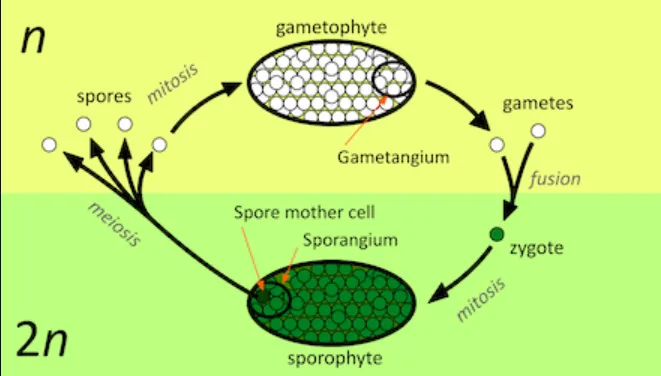
The angiosperm life cycle includes alternation of generations, with a dominant sporophyte phase and a reduced gametophyte phase.
What is an Angiosperm
Simply put, it is any flowering plant, ranging from small herbs to giant trees.
These differences explain why angiosperms dominate modern ecosystems.
Their Life Cycle and Ability to Survive in Nature
Seed Stage
Seeds remain dormant until conditions are favorable. This helps survival during harsh climates.
Germination Stage
When water, oxygen, and temperature are suitable, the seed begins to grow.
Growth Stage
The plant develops roots, stems, and leaves, preparing for reproduction.
Reproductive Stage
Flowers form, enabling pollination and fertilization.
Survival Strategies
- Dormancy during unfavorable conditions
- Rapid reproduction cycles
- Adaptation to different environments
- Efficient nutrient use
These strategies allow angiosperms to thrive in nearly all ecosystems.
Their Reproductive Process and Raising Their Children
Angiosperms reproduce sexually through flowers.
Steps in Reproduction
- Flower Formation: Contains male (stamen) and female (carpel) parts
- Pollination: Transfer of pollen via wind, insects, or animals
- Fertilization: Fusion of male and female gametes
- Double Fertilization: Unique to angiosperms, forming embryo and endosperm
- Seed Development: Embryo grows inside the seed
- Fruit Formation: Protects and disperses seeds
Seed Dispersal Methods
- Wind (light seeds)
- Animals (fruits eaten and spread)
- Water (floating seeds)
- Explosion (self-dispersal)
Parental Care
Unlike animals, angiosperms protect themselves through:
- Seed coats
- Nutrient-rich endosperm
- Fruit covering
This ensures higher survival of the next generation.
Importance of Them in this Ecosystem
Oxygen Production
Angiosperms release oxygen through photosynthesis, supporting life on Earth.
Food Source
They provide fruits, vegetables, grains, and nuts for humans and animals.
Habitat Creation
Forests and grasslands formed by angiosperms support biodiversity.
Soil Protection
Roots prevent erosion and maintain soil structure.
Climate Regulation
They absorb carbon dioxide, helping reduce global warming.
Angiosperms are essential for ecological balance and human survival.
What to Do to Protect Them in Nature and Save the System for the Future
- Reduce deforestation and protect natural habitats
- Promote sustainable agriculture practices
- Avoid excessive use of pesticides and chemicals
- Plant native flowering species
- Support conservation programs
- Protect pollinators like bees and butterflies
- Reduce pollution and carbon emissions
- Encourage reforestation and urban greenery
These steps help maintain healthy angiosperm populations and ecosystems.

Frequently Asked Questions (FAQs)
1. What makes angiosperms unique?
Their flowers and enclosed seeds make them different from other plants.
2. What is double fertilization?
A process where one sperm fertilizes the egg and another forms endosperm.
3. Are all flowering plants angiosperms?
Yes, all flowering plants belong to angiosperms.
4. How do angiosperms reproduce?
Through pollination and fertilization in flowers.
5. What is the role of fruits?
Fruits protect seeds and help in their dispersal.
6. Where are angiosperms found?
They are found in almost every habitat on Earth.
7. What is the dominant stage in their life cycle?
The sporophyte (mature plant) stage.
8. Why are angiosperms important?
They provide food, oxygen, and ecological balance.
Conclusion
The life cycle of an angiosperm is a remarkable journey that showcases the efficiency and adaptability of flowering plants. From a tiny seed to a mature plant producing flowers and fruits, every stage plays a vital role in survival and reproduction.
Angiosperms have evolved advanced mechanisms such as double fertilization, pollinator interactions, and fruit development, which have made them the most successful plant group on Earth. Their ability to adapt to different environments ensures their continued dominance in ecosystems.
Beyond their biological importance, angiosperms are essential for human life. They provide food, oxygen, medicine, and raw materials. Protecting them is not just an environmental responsibility but a necessity for our future.
By understanding their life cycle and ecological role, we can better appreciate and conserve these incredible plants for generations to come.
Also Read: tadpole life cycle
About the Author