The tomato worm, also known as the horned tomato worm, is a well-known garden pest, particularly to those who grow tomatoes and other nightshades. This larva is a destructive creature that can wreak havoc on plants, but its life cycle is a fascinating journey of transformation that plays a vital role in the ecosystem.
Quick Answers to Common Questions:
- What is a tomato worm?
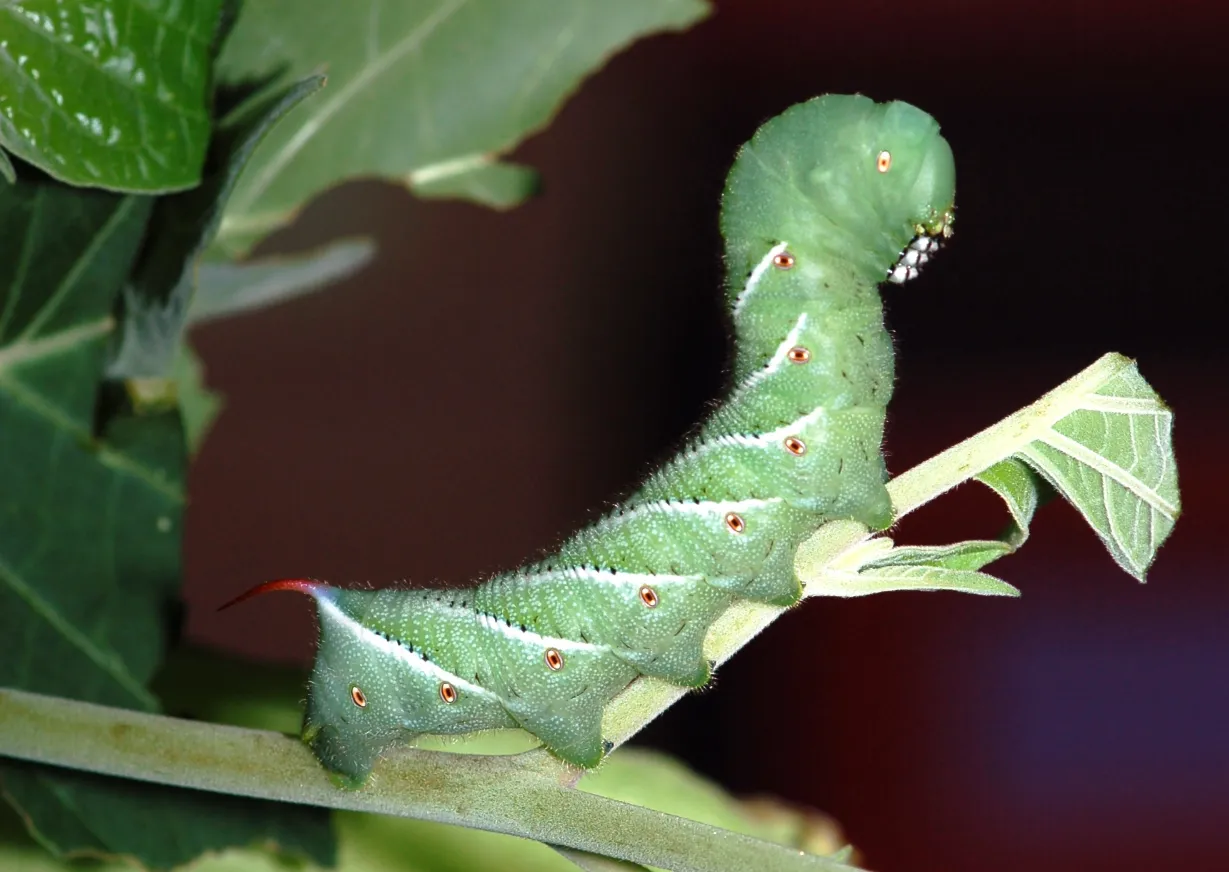
- The tomato worm is the larval stage of the five-spotted hawk moth (also known as the tomato hornworm). This green, horned caterpillar feeds on the leaves of plants like tomatoes, peppers, and eggplants.
- Where do tomato worms come from?
- Tomato worms hatch from eggs laid by adult moths, typically on the undersides of tomato leaves. After hatching, the larvae begin feeding on the plants and grow rapidly before entering the pupal stage.
- Are tomato worms harmful to plants?
- Yes, tomato worms can cause significant damage to plants. Their voracious appetite can quickly defoliate a plant, stunting its growth or even killing it if left unchecked.
Quick Life Cycle Table
| Stage | Description | Duration |
| Egg | Laid by the adult moth on plant leaves. | 3-5 days |
| Larvae | Hatch and begin feeding on plant leaves. | 3-4 weeks |
| Pupa | The cocoon stage, where the worm transforms. | 1-2 weeks |
| Adult Moth | Emerges from the cocoon and mates. | Lifespan: 2-3 weeks |

The History of Their Scientific Naming
The tomato worm, scientifically known as the Five-spotted hawk moth (Manduca quinquemaculata), belongs to the family Sphingidae. The “five-spotted” part of the name refers to the distinctive markings on the adult moth’s wings, while “hawk moth” refers to its fast and direct flight pattern. The species was first described by the entomologist Fabricius in 1798. Since then, it has been closely associated with garden pests, particularly in agricultural regions where tomatoes and related crops are grown.
Their Evolution and Their Origin
The tomato worm’s origins lie in North and Central America, where it thrives in warmer climates. As a member of the hawk moth family, it shares evolutionary traits with other moths known for their impressive flying abilities. The horned tomato worm itself has adapted to be highly camouflaged in the wild, with its green coloration blending seamlessly with the tomato plants it feeds on.
Interestingly, the tomato worm is part of a larger evolutionary process that includes several closely related species. The five-spotted hawk moth is one of many in the Manduca genus, which includes other notable moth species such as the tobacco hornworm. Over millions of years, these species have developed unique adaptations, such as the characteristic “horn” at the rear of the caterpillar, which serves as a defense mechanism against predators.
The tomato worm’s ability to transform from a vulnerable larval stage into a robust adult moth is a key factor in its evolutionary advantage. This metamorphosis allows the species not only to evade predators but also to travel long distances to find new host plants, which are essential to its survival.
Their Main Food and Its Collection Process
Tomato worms are voracious eaters, primarily consuming the leaves of tomato plants. Their feeding habits can significantly damage crops. The collection of food begins shortly after they hatch from eggs laid by the adult moth. These larvae have strong mandibles that enable them to chew through the tough tomato leaves and stems.
- Feeding Stage: Tomato worms are most destructive during the larval stage. They consume vast quantities of plant material, particularly the leaves of nightshade plants such as tomatoes, peppers, and eggplants.
- Preferred Host Plants: While they are most commonly found on tomato plants, horned tomato worms are not picky eaters. They will feed on other nightshades, such as peppers and potatoes, though tomatoes are the most common host plant.
- Feeding Mechanism: As they feed, tomato worms often remain hidden on the undersides of leaves, helping them avoid predators. This feeding behavior enables them to grow quickly, preparing them for the next stage of their life cycle.
Their Life Cycle and Ability to Survive in Nature
Life Cycle Stages and Survival Mechanisms
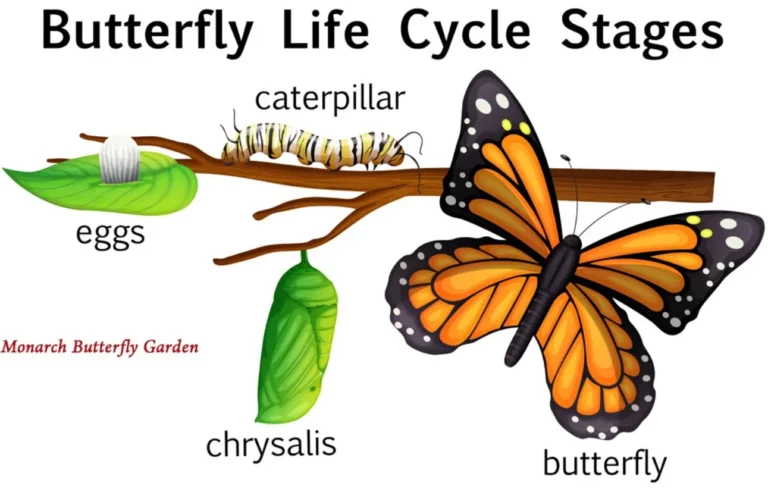
The life cycle of a tomato worm includes four distinct stages: egg, larva, pupa, and adult. Each stage has its own set of survival strategies that ensure the worm’s successful development.
- Eggs: Tomato worms lay their eggs on the undersides of leaves. This positioning helps the larvae find food as soon as they hatch. The eggs are typically laid in clusters, making it easier for the larvae to access their next meal.
- Larvae: The larval stage is the most well-known phase during which the worm does the most damage. The green coloration of the larvae provides camouflage, allowing them to blend into tomato plant foliage and avoid predators. Additionally, their large size and rapid growth give them a competitive edge in terms of survival.
- Pupa: After feeding for several weeks, the tomato worm pupates, transforming into a cocoon. During this stage, the worm remains largely immobile, relying on its cocoon to shield it from environmental threats.
- Adult Moth: Once the moth emerges from the cocoon, it seeks to mate and continue the cycle. The adult moth can fly strongly and directly, helping it evade predators and spread to new locations, continuing the cycle.

Their Reproductive Process and Raising Their Children
Tomato worms are sexually dimorphic, meaning there are noticeable differences between males and females. Mating occurs when an adult female moth releases pheromones that attract males. After mating, females lay their eggs on suitable host plants, ensuring the larvae have immediate access to food upon hatching.
- Egg-laying Process: Females carefully select leaves of tomato plants or other nightshades, laying their eggs on the undersides to protect them from the elements and predators.
- Larval Growth: Upon hatching, larvae begin feeding immediately and grow rapidly in preparation for the next life cycle stage. The growth rate during this stage is critical for ensuring the larvae can transition to the pupal stage.
- Metamorphosis: Once the larvae have consumed enough food, they enter the pupa stage, transforming into adult moths. This process takes several weeks, during which the larvae are relatively inactive.
Importance of Them in This Ecosystem
Ecological Significance
While often seen as pests, tomato worms do play a role in the ecosystem. The larvae serve as food for various predators, including birds, insects, and small mammals, contributing to the food web. Additionally, their feeding helps control the growth of certain plants, thereby indirectly benefiting other plant species.
- Food Source for Predators: Birds and other insects that feed on tomato worms help maintain ecosystem balance by keeping their populations in check.
- Pollination and Plant Health: The adult moths, like many other moth species, contribute to pollination. While they primarily feed on nectar, their movement from plant to plant helps fertilize various species.
What to Do to Protect Them in Nature and Save the System for the Future
To protect tomato worms in the wild and preserve their role in the ecosystem, here are some steps to consider:
- Support Natural Predators: Encourage the presence of birds, wasps, and other predators that feed on tomato worms to help keep their populations in balance.
- Promote Biodiversity: Grow a variety of plants around tomato plants to support a broader range of insects and wildlife, ensuring a more balanced ecosystem.
- Avoid Overuse of Pesticides: Excessive use of chemical pesticides can disrupt the natural predator-prey balance, harming not just the tomato worms but also other beneficial insects.
- Maintain Natural Habitats: Preserve natural habitats where tomato worms and their predators thrive. This ensures a healthy and diverse ecosystem.

Frequently Asked Questions (FAQs)
- How do I identify a tomato worm?
- Tomato worms are green with white markings and have a distinctive horn at the rear. They blend well with tomato plants, making them hard to spot.
- What plants do tomato worms prefer?
- They primarily feed on tomato plants but also consume other nightshades, such as peppers, eggplants, and potatoes.
- How can I control tomato worm infestations?
- Use natural predators, such as wasps, or introduce neem oil to reduce their population without harming the environment.
- How long does the tomato worm live?
- The tomato worm typically lives for about 6 weeks, from egg to adult moth.
- Are tomato worms dangerous to humans?
- No, tomato worms are not harmful to humans, though they can cause significant damage to crops.
- What does a tomato worm turn into?
- The tomato worm transforms into the five-spotted hawk moth, a large, nocturnal moth.
- How can I tell if a tomato worm is ready to pupate?
- Tomato worms will stop feeding and begin searching for a place to burrow into the soil or form a cocoon.
- Do tomato worms damage plants permanently?
- While they can severely damage plants, they usually do not kill them outright unless the infestation is large.
Conclusion
The tomato worm is an integral part of the ecosystem, despite being seen as a nuisance by gardeners. Its fascinating life cycle, from egg to adult moth, showcases the wonders of nature and the importance of even the smallest creatures. Understanding its role in the food web and ecosystem can help us better manage its populations while respecting its place in nature.
By supporting natural predators and avoiding harmful pesticides, we can ensure these creatures continue to thrive in their natural habitats, benefiting the broader ecosystem.
Also Read: life cycle of a dragonfly
About the Author