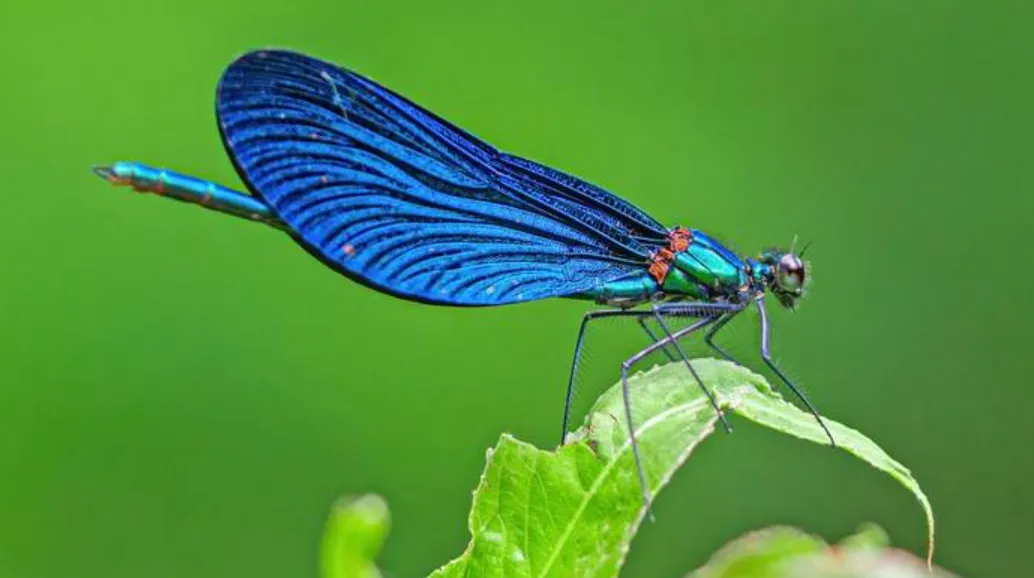
The life cycle of a dragonfly is one of the most fascinating transformations in the insect world. These elegant creatures, often admired for their shimmering wings and swift flight, undergo a complex journey that begins underwater and ends in the sky. Understanding this process not only reveals the beauty of nature but also highlights the ecological importance of dragonflies.
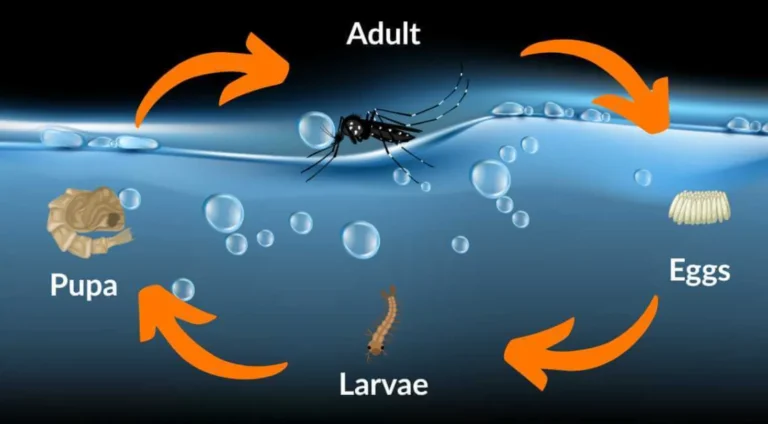
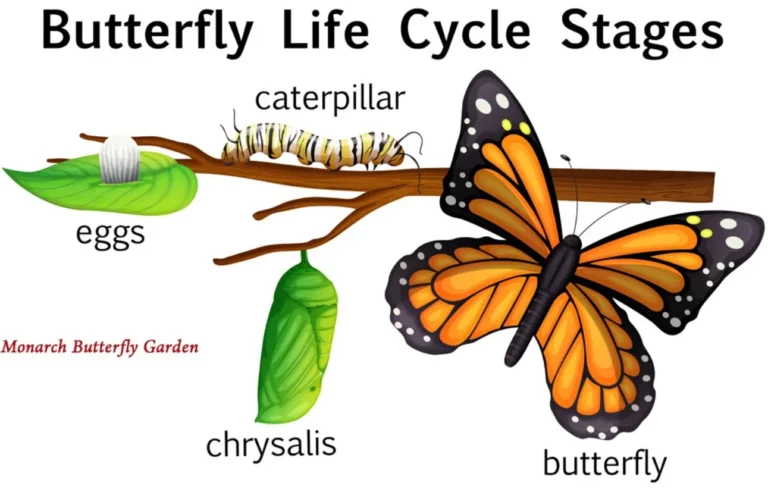
Dragonflies belong to the order Odonata and are known for their role as natural pest controllers. Their life cycle includes three major stages: egg, nymph (larva), and adult. Unlike butterflies, they do not undergo a pupal stage, making their development unique among insects.
Quick Answers (Most Common Questions)
1. How long is the life cycle of a dragonfly?
The life cycle can last from a few months to several years, depending mainly on the nymph stage.
2. Where do dragonflies lay their eggs?
Dragonflies lay eggs in or near freshwater bodies such as ponds, lakes, and slow-moving streams.
3. What do dragonfly nymphs eat?
Nymphs are aquatic predators and feed on mosquito larvae, small fish, and other aquatic insects.
Quick Life Cycle Table
| Stage | Description | Duration | Habitat |
| Egg | Laid in water or on plants | A few days to weeks | Freshwater |
| Nymph (Larva) | Aquatic predator stage | Months to 3–5 years | Underwater |
| Adult Dragonfly | Flying insect, reproduction stage | 1–2 months | Land & near water |

The History Of Their Scientific Naming
The scientific classification of dragonflies reflects centuries of biological research and discovery. Here are key points about their naming history:
- Dragonflies belong to the order Odonata, derived from the Greek word odous, meaning “tooth,” referring to their strong jaws.
- The order Odonata is divided into two main suborders: Anisoptera (dragonflies) and Zygoptera (damselflies).
- Early naturalists in the 18th century, such as Carl Linnaeus, played a major role in classifying dragonflies.
- Dragonflies are part of one of the oldest insect groups, with fossils dating back over 300 million years.
- Ancient dragonfly ancestors, known as Meganeura, had wingspans up to 70 cm, making them some of the largest insects ever.
- Scientific naming helped distinguish dragonflies from similar insects like damselflies, which differ in wing structure and resting posture.
This scientific framework allows researchers better to understand their evolution, behavior, and ecological role.
Their Evolution And Their Origin
Dragonflies are among the oldest living insects on Earth. Their evolutionary journey dates back to the Carboniferous period, around 300 million years ago, long before dinosaurs existed. Fossil evidence shows that early dragonflies were massive compared to modern species.
These ancient ancestors thrived in oxygen-rich environments, which allowed insects to grow much larger. Over time, environmental changes led to smaller body sizes but more efficient flight capabilities.
Dragonflies evolved to become highly specialized predators. Their large compound eyes, powerful wings, and agile flight patterns make them one of the most effective hunters in the insect world. Unlike many insects, dragonflies do not undergo complete metamorphosis. Instead, they retained a hemimetabolous life cycle, meaning they transition from nymph to adult without a pupal stage.
Their origin is closely tied to freshwater ecosystems. Since their larvae are aquatic, dragonflies have always depended on clean water bodies. This dependency has shaped their evolution and distribution across the globe.
Today, dragonflies can be found on every continent except Antarctica. Their adaptability to various climates—from tropical wetlands to temperate ponds—demonstrates their evolutionary success.
Their Main Food and Its Collection Process
Dragonflies are carnivorous throughout their life cycle. Both nymphs and adults are skilled predators, but their feeding habits differ based on their habitat.
Diet of Dragonfly Nymphs (Aquatic Stage)
- Feed on mosquito larvae, tadpoles, and small fish
- Use extendable jaws (labium) to catch prey quickly
- Hide among plants and ambush prey
- Play a major role in controlling mosquito populations
Diet of Adult Dragonflies (Aerial Stage)
- Eat flying insects such as mosquitoes, flies, and gnats
- Can consume hundreds of mosquitoes per day
- Capture prey mid-air using their legs like a basket
- Use excellent vision to detect movement from afar
Food Collection Process
- Hunting Strategy: Dragonflies rely on speed and precision
- Vision: Their compound eyes provide nearly 360-degree vision
- Flight Control: They can hover, glide, and change direction rapidly
- Capture Technique: Adults grab prey with their legs and chew using strong jaws
This efficient feeding system makes dragonflies essential for maintaining ecological balance.
Important Things That You Need To Know
Dragonflies are more than just beautiful insects. Understanding related topics can deepen your knowledge.
Key Insights About Dragonflies
The term dragonfly often appears in different contexts, such as dragonfly wellness, dragonfly tattoo, dragonfly drawing, and dragonfly spiritual meaning.
- Dragonfly symbolism is often associated with transformation, adaptability, and change.
- In art, dragonfly drawing is popular due to their intricate wing patterns.
- Dragonfly tattoo designs are widely used to represent freedom and personal growth.
- Some people connect dragonflies with mindfulness and nature, similar to themes in dragonfly wellness practices.
These perspectives highlight how dragonflies influence culture, art, and spirituality, not just ecology.
Their Life Cycle and Ability to Survive in Nature
Egg Stage
Female dragonflies lay eggs in or near water. Some species deposit eggs directly into water, while others place them on aquatic plants.
- Eggs hatch within days to weeks.
- Require clean and oxygen-rich water.
- Vulnerable to predators and pollution
Nymph Stage (Larval Stage)
This is the longest and most critical stage.
- Nymphs live underwater for months or years
- Molt multiple times as they grow
- Use gills to breathe
- Highly effective predators
Adult Stage
After the final molt, the dragonfly emerges from the water.
- Wings expand and harden
- Begin flying within hours
- Focus on feeding and reproduction
Dragonflies survive due to their adaptability, predatory skills, and strong flight capabilities.

Their Reproductive Process and Raising Their Children
Dragonflies have a unique and complex reproductive process.
- Males establish territories near water
- Attract females through flight displays
- Mating occurs in a distinctive “heart-shaped” position
- Females lay hundreds of eggs
Raising Their Young
- No parental care after egg-laying
- Eggs develop independently
- Nymphs rely on instinct to hunt and survive
- High mortality rate due to predators
Despite the lack of parental care, their reproductive strategy ensures species survival.
Importance of Them in this Ecosystem
Natural Pest Control
Dragonflies help reduce populations of harmful insects like mosquitoes.
Indicators of Water Quality
Their presence indicates clean and healthy water ecosystems.
Food Chain Role
- Serve as predators and prey
- Support birds, fish, and amphibians
Biodiversity Contribution
Dragonflies contribute to ecological balance and biodiversity.
What to Do to Protect Them in Nature and Save the System for the Future
- Protect freshwater habitats such as ponds and wetlands
- Avoid using chemical pesticides
- Plant native vegetation near water bodies
- Reduce water pollution
- Support conservation programs
- Create garden ponds to attract dragonflies
- Educate communities about their importance
These steps help ensure the survival of dragonflies and maintain ecological balance.

Frequently Asked Questions (FAQs)
1. What are the stages in the life cycle of a dragonfly?
Egg, nymph (larva), and adult.
2. How long do dragonflies live?
Most of their life is spent as nymphs, lasting up to several years.
3. Do dragonflies bite humans?
They rarely bite and are not harmful.
4. Why are dragonflies found near water?
Because their eggs and nymphs require aquatic environments.
5. What do dragonflies eat?
Mosquitoes, flies, and other small insects.
6. Are dragonflies beneficial?
Yes, they control pest populations and indicate healthy ecosystems.
7. Can dragonflies fly backward?
Yes, they have excellent flight control.
8. What is the difference between dragonflies and damselflies?
Dragonflies are larger and hold their wings open at rest, while damselflies fold their wings.
Conclusion
The life cycle of a dragonfly is a remarkable example of nature’s complexity and beauty. From tiny eggs laid in water to powerful aerial predators, dragonflies undergo an incredible transformation that highlights their adaptability and survival skills.
Their long nymph stage, spent underwater, plays a crucial role in controlling aquatic pests, while adult dragonflies help reduce flying insect populations. This dual role makes them vital contributors to ecological balance.
Beyond their biological importance, dragonflies also hold cultural and symbolic value, representing change, growth, and resilience. However, their survival depends heavily on clean water and healthy ecosystems.
By understanding their life cycle and taking steps to protect their habitats, we can ensure that these fascinating insects continue to thrive for generations to come.
Also Read: red panda life cycle
About the Author