The American cockroach’s life cycle is one of the most interesting survival stories in the insect world. The American cockroach may look like a simple household pest, but its growth pattern, feeding habits, and ability to survive in damp, dark places make it highly successful.
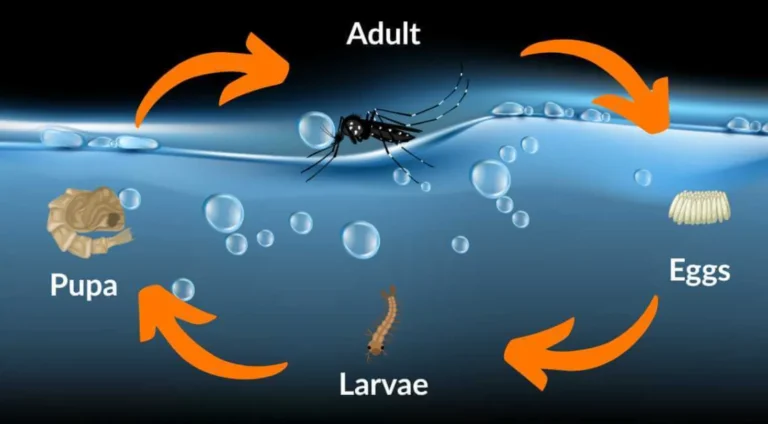
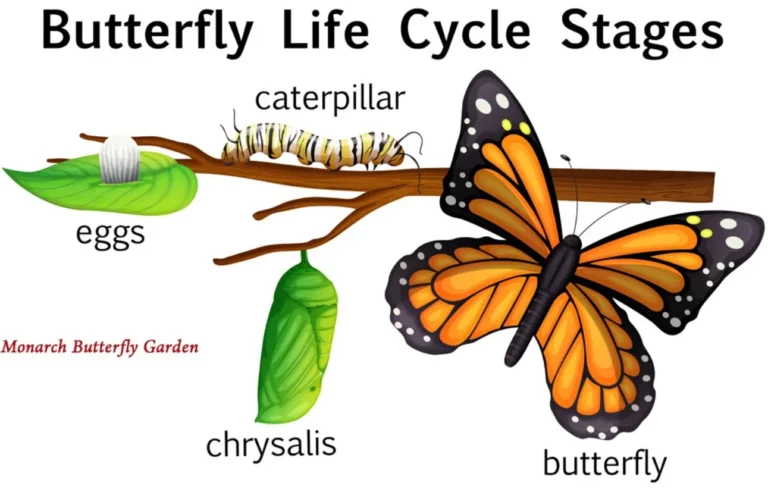
Scientifically known as Periplaneta americana, this cockroach passes through three main stages: egg, nymph, and adult. Unlike butterflies or beetles, it does not go through a pupal stage. A young cockroach, often called a baby American cockroach, looks like a smaller wingless version of the adult.
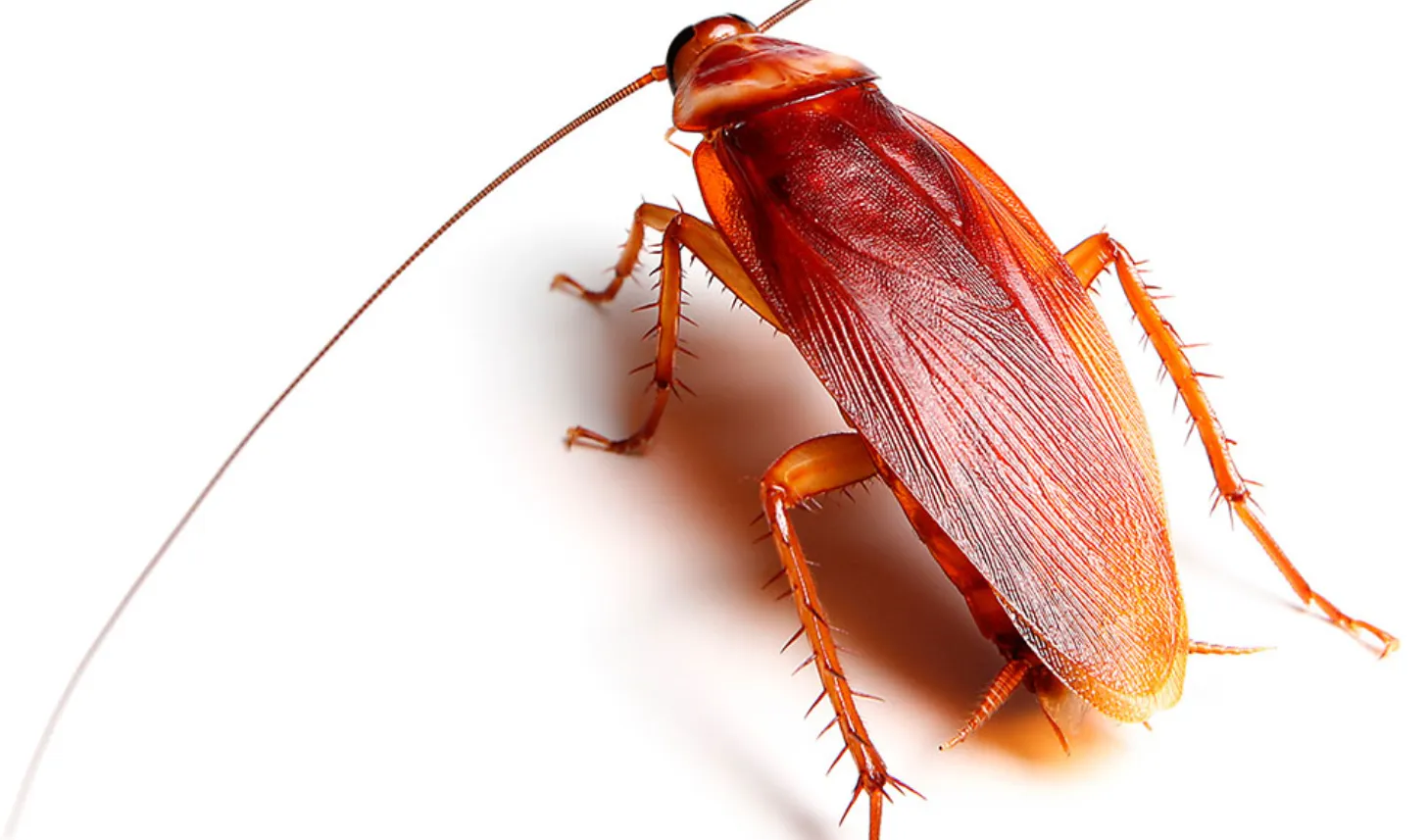
American cockroaches prefer warm, moist, hidden places such as sewers, basements, drains, mulch, hollow trees, and food storage areas. They are active mostly at night and can move indoors when searching for food, water, or shelter. University extension sources describe them as reddish-brown insects with a pale yellowish band behind the head, while nymphs are wingless and darker when young.
Quick Answers: Most Common Questions
Q: How many stages are in the American cockroach life cycle?
A: The American cockroach life cycle has three stages: egg, nymph, and adult.
Q: What does an American cockroach nymph look like?
A: An American cockroach nymph looks like a small adult cockroach but has no fully developed wings. Young nymphs are lighter after hatching, then turn reddish-brown as they grow.
Q: How long does an American cockroach live?
A: Development from egg to adult can take many months. The full life cycle may average around 600 days, and adults may live up to about one year under suitable conditions.
Quick Life Cycle Table
| Stage | Mobile-Friendly Details |
| Egg Case/Ootheca | A female produces a brown, purse-shaped egg case called an ootheca. It usually contains around 16 eggs. |
| Hatching Time | Eggs may hatch in about 5–8 weeks, depending on temperature and humidity. |
| Nymph Stage | The American cockroach nymph is wingless and molts several times as it grows. |
| Molting | Nymphs may molt many times before becoming adults. Some sources report 6–14 molts. |
| Adult Stage | Adults are reddish-brown, winged, fast-moving, and usually active at night. |
| Adult Lifespan | Adults can live for many months, sometimes close to a year, in good conditions. |
| Best Habitat | Damp, warm, dark areas such as sewers, drains, basements, mulch, and wood piles. |
| Main Food | Decaying matter, crumbs, sweets, starch, paper glue, dead insects, and many organic materials. |

Important Things That You Need To Know
Before going deeper into the American cockroach life cycle, it helps to address a few common search questions. Many people confuse the American cockroach with the German cockroach because both can appear indoors. But they are not the same insect.
The American cockroach is usually larger, reddish-brown, and often found in sewers, drains, basements, and damp outdoor spaces. The German cockroach is smaller, tan to light brown, and is more commonly found in kitchens, apartments, food areas, and indoor infestations.
When people search for “German vs. American cockroach,” the biggest differences are usually size, habitat, and reproductive speed. German cockroaches reproduce faster indoors, while American cockroaches are larger and often enter buildings from outside or from drainage systems.
A young American cockroach nymph may be mistaken for another roach species because it lacks wings. A baby American cockroach is not white for long. It may appear pale right after hatching or molting, then darkens as its outer skin hardens.
The phrase “American” refers to the American cockroach vs. the German cockroach. The German cockroach is important for pest identification. Correct identification matters because control methods depend on where the roaches live, where they hide, and how they enter the building. Extension guidance stresses that accurate cockroach identification is important because several insect species can look similar.
The History of Their Scientific Naming
The scientific name of the American cockroach is Periplaneta americana. The species name was linked to Carl Linnaeus, the Swedish naturalist who shaped modern biological naming. Taxonomic records list the species as Periplaneta americana (Linnaeus, 1758), with its older name, Blatta americana.
Important naming points:
- Periplaneta is the genus name.
- Americana is the species name.
- Linnaeus, 1758, shows the naming authority and year.
- It belongs to the order Blattodea.
- It belongs to the family Blattidae.
- The common name American cockroach can be misleading.
The name “American” does not mean the insect first evolved in America. University of Florida IFAS notes that Periplaneta species are not native to the United States, and the American cockroach was introduced from Africa as early as 1625. It spread widely through human trade and movement.
Their Evolution And Their Origin
The American cockroach belongs to an old insect group with a long evolutionary background. Cockroaches are part of Blattodea, the same order that also includes termites in modern classification. This tells us something important: cockroaches are not “new” pests created by modern cities. They are survivors from a very old insect line.
Cockroach-like insects appeared hundreds of millions of years ago. Some scientific discussions place early cockroach relatives in the Carboniferous period, around 300–320 million years ago. Modern cockroaches are not identical to those ancient forms. Still, they share the broad survival pattern: flat bodies, fast movement, chewing mouthparts, and the ability to feed on many organic materials.
The American cockroach is believed to have originated in Africa and possibly in nearby warm regions. From there, it spread around the world through ships, trade routes, stored goods, food movement, and urban sanitation systems. That is why it is sometimes called a “ship cockroach” in older references.
Its body design helps explain its success. The flattened shape lets it hide in cracks. Long antennae help it sense food, danger, moisture, and other cockroaches in dark places. Spiny legs help it run fast over rough surfaces. Its broad diet allows it to survive where many insects would starve.
This is why the American cockroach life cycle works so well in both natural and human-made environments. It can live outdoors in mulch and hollow trees, then move into drains, basements, and commercial buildings when conditions fit.
Their main food and its collection process
The American cockroach is an omnivorous scavenger. That means it can eat both plant-based and animal-based materials, especially when they are soft, decaying, wet, or easy to chew. It does not hunt like a predator in the usual sense. Instead, it searches, tastes, and feeds wherever food and moisture are available.
University of Florida IFAS describes the American cockroach as an opportunistic feeder that can eat decaying organic matter, sweets, bread, fruit, paper, hair, dead insects, and many other materials.
Main food sources include:
- Decaying leaves and plant matter
- Food crumbs
- Sugary materials
- Bread and starch
- Dead insects
- Grease and food waste
- Book glue and paper starch
- Fermenting liquids
- Garbage and sewage-linked organic waste
- Pet food left overnight
Their food collection process is simple but effective. At night, adults and nymphs leave dark hiding spaces and move along walls, pipes, floor edges, drains, and cracks. Their long antennae help them detect moisture, food odor, and safe paths.
They usually do not travel randomly. They follow edges and hidden routes. This behavior helps them avoid light, predators, and human activity. When food is found, they use their chewing mouthparts to break it into smaller pieces.
The American cockroach nymph feeds much like the adult. Since nymphs cannot fly and are smaller, they stay closer to sheltered cracks and damp areas. As they grow, they travel farther and compete with adults for food.

Their life cycle and ability to survive in nature
Egg Stage
The life cycle starts when the female produces an ootheca, or egg case. This case is brown, purse-shaped, and protects the eggs inside. A female often places it near food, moisture, or a protected surface. Some sources report that one case may contain up to about 16 eggs.
Nymph Stage
After several weeks, the eggs hatch into nymphs. A newly hatched nymph may look pale at first. Soon it darkens and becomes brownish. The American cockroach nymph lacks fully developed wings, but it can still run, hide, feed, and survive like a smaller adult.
Nymphs grow by molting. Each molt allows the cockroach to shed its old outer skin and grow into a larger body. Wing pads appear later in adulthood.
Adult Stage
Adults are larger, reddish-brown, and have wings. They may glide or fly short distances, but they mostly run. Adult American cockroaches are fast, cautious, and mostly nocturnal.
Survival Ability
Their survival depends on moisture, warmth, hiding spaces, and food. Outdoors, they live in mulch, wood piles, hollow trees, leaf litter, and damp shaded areas. Indoors, they prefer basements, drains, boiler rooms, sewers, and plumbing zones.
Their ability to eat many things, hide during the day, and reproduce in protected places makes them strong survivors.
Their Reproductive Process and raising their children
The American cockroach does not raise its young the way birds or mammals do. There is no feeding, guarding, or teaching after the eggs hatch. Still, the female improves her offspring’s survival chances by choosing a safe place for the ootheca.
Key points about reproduction:
- The female mates with a male adult.
- After mating, she forms an ootheca.
- The ootheca is usually brown and hardened.
- She places it in a hidden, damp, protected area.
- It is often placed near food.
- The egg case protects the eggs from drying out and from external dangers.
- Nymphs hatch after several weeks.
- The young begin feeding themselves almost immediately.
During her lifetime, a female can produce many young. IFAS reports that an adult female may produce an average of around 150 young in her lifetime.
The idea of “raising children” in cockroaches primarily concerns placement and protection before hatching. The female does not care for the young after they emerge. The nymphs survive through hiding, feeding at night, and molting.
A baby American cockroach must avoid predators, dry air, cleaning activity, flooding, and larger competitors. Its best protection is staying hidden in cracks and moist spaces.
This simple reproductive system works because cockroaches produce multiple egg cases and because the young are independent from the beginning.
The importance of them in this Ecosystem
Natural Clean-Up Workers
In nature, American cockroaches help break down decaying organic matter. They feed on dead leaves, soft plant material, fungi-rich waste, dead insects, and other scraps. This helps return nutrients to the soil.
Food for Other Animals
Cockroaches are also food for many animals. Birds, frogs, lizards, spiders, centipedes, small mammals, and parasitic wasps may feed on cockroaches or their egg cases. IFAS notes that some parasitic wasps attack American cockroach oothecae, stopping nymphs from emerging.
Soil and Nutrient Movement
When cockroaches feed and move through leaf litter, they help break larger organic pieces into smaller particles. Microbes then continue the decay process. This supports soil health in natural spaces.
A Balanced View
In homes, restaurants, and food storage areas, American cockroaches pose a health risk. They can move through dirty environments and later enter human spaces. IFAS notes their connection with sewers, waste areas, and possible disease organisms.
So their importance depends on location. In forests, gardens, and other outdoor ecosystems, they help decompose organic matter. In kitchens, drains, and buildings, they should be managed carefully.
What to do to protect them in nature and save the system for the future
Protecting cockroaches does not mean allowing them inside homes or food areas. It means keeping outdoor ecosystems healthy while using safer pest control indoors.
- Protect natural leaf litter in wild areas
- Leaf litter supports insects, fungi, soil organisms, and small animals.
- Avoid unnecessary pesticide spraying outdoors.
- Broad spraying can kill many non-target insects, including beneficial decomposers and predators.
- Use Integrated Pest Management indoors.
- Focus on sanitation, sealing cracks, fixing leaks, and using targeted control only when needed.
- Keep homes clean without destroying outdoor habitats
- Store food in sealed containers, clean spills, and remove indoor clutter.
- Fix water leaks
- American cockroaches need moisture. Reducing leaks lowers the risk of indoor infestation without harming outdoor insect life.
- Seal entry points
- Close gaps around drains, doors, pipes, and wall cracks.
- Manage garbage properly
- Covered bins and regular waste removal reduce pest problems.
- Keep mulch away from foundations.
- Outdoor mulch is useful, but it should not come into contact with the house foundation.
- Support natural predators
- Birds, reptiles, amphibians, spiders, and parasitic wasps help keep insect populations balanced.
- Do not confuse ecosystem care with indoor infestation tolerance
- Cockroaches belong in natural environments, not in kitchens, hospitals, or food storage areas.

Frequently Asked Questions (FAQs)
Q1: What is the American cockroach’s life cycle?
A: The American cockroach life cycle has three stages: egg, nymph, and adult. The female produces an egg case called an ootheca; nymphs hatch from it and molt several times before becoming adults.
Q2: How long does it take an American cockroach to become an adult?
A: It can take several months. Some sources state that development from egg to adult may average around 600 days, while others give ranges affected by temperature, food, and humidity.
Q3: What does an American cockroach nymph look like?
A: An American cockroach nymph looks like a small, wingless cockroach. It may be pale just after hatching or molting, then becomes brown or reddish-brown as its body hardens.
Q4: Is a baby American cockroach dangerous?
A: A baby American cockroach does not bite people in normal situations, but its presence can suggest hidden moisture, food waste, or nearby breeding areas. Like adults, nymphs may move through dirty places.
Q5: What is the difference between the German and American cockroach?
A: In a German vs. American cockroach comparison, American cockroaches are larger, reddish-brown, and often linked with sewers and damp areas. German cockroaches are smaller, tan, and more common in indoor kitchen infestations.
Q6: Do American cockroaches fly?
A: Adult American cockroaches have wings and may glide or fly short distances, especially in warm conditions. Still, they usually escape by running.
Q7: Where do American cockroaches lay eggs?
A: Females usually place the ootheca in hidden, damp, protected places near food. Common sites include cracks, basements, drains, storage areas, mulch, wood piles, and sheltered outdoor spaces.
Q8: Why is American cockroach vs. German cockroach identification important?
A: American cockroach vs. German cockroach identification matters because each species hides in different places and reproduces differently. Correct identification helps choose the right control method.
Conclusion
The American cockroach’s life cycle shows why this insect has survived in so many places around the world. From a protected ootheca to a fast-moving nymph, then to a reddish-brown winged adult, every stage is built for survival.
The American cockroach is often unwanted in homes, restaurants, drains, and food preparation areas because it can move through dirty areas and pose health concerns. But outside, it has a role in breaking down decaying matter and supporting the food chain.
Understanding the difference between an American cockroach nymph, a baby American cockroach, and an adult helps with better identification. Knowing the difference between German and American cockroaches also helps people manage infestations more effectively.
The best approach is balance: protect natural ecosystems outdoors while keeping indoor spaces clean, dry, sealed, and safe. That is how we respect nature without letting pests take over human spaces.
Also Read: ticks life cycle
About the Author