The life cycle of a turtle is one of the most fascinating journeys in the reptile world. A turtle begins life inside an egg, hatches as a tiny hatchling, grows into a juvenile, and eventually becomes a mature adult capable of reproduction. This process may look simple, but every stage is full of danger, adaptation, and survival challenges.
Turtles are ancient reptiles belonging to the order Testudines. They are known for their hard protective shell, slow movement, long lifespan, and strong connection with both land and water. Different turtles live in different habitats. Some, like the green sea turtle, spend most of their lives in the ocean. Others, like the painted turtle and snapping turtle, live in freshwater ponds, rivers, lakes, and wetlands.
Understanding the life cycle of a turtle helps us learn how turtles survive, reproduce, support ecosystems, and face modern threats. Many turtles grow slowly and take years to mature. For example, female green turtles may take 25 to 35 years to reach maturity and can live 70 years or more.
Q: What are the main stages in the life cycle of a turtle?
A: The main stages are egg, hatchling, juvenile, young adult, and adult turtle.
Q: Where do turtles lay their eggs?
A: Most turtles lay eggs in nests dug in sand, soil, or soft ground. Sea turtles usually nest on beaches, while freshwater turtles often nest on sandy banks or in open soil near water.
Q: Do baby turtles stay with their parents?
A: Usually no. Most turtle hatchlings survive independently from the moment they leave the nest.
Quick Life Cycle Table
| Life Cycle Stage | Main Features | Survival Challenges |
| Egg | Laid in a nest under sand or soil | Predators, flooding, and temperature changes |
| Hatchling | Breaks the shell using a temporary egg tooth | Birds, crabs, fish, dehydration |
| Juvenile Turtle | Grows a shell, learns to feed and hide | Predators, habitat loss, and pollution |
| Young Adult | Becomes stronger and more independent | Food competition, disease, and human threats |
| Adult Turtle | Reproduces and continues the cycle | Fishing gear, road deaths, and illegal collection |
| Nesting Female | Returns to a suitable nesting area | Disturbance, artificial light, beach loss |

Important Things That You Need To Know
When people search for a turtle, they often mean many different things. The word can describe sea turtles, freshwater turtles, land tortoises, cartoon characters, gaming headsets, or even drawing ideas. In nature, however, turtles are living reptiles with a deep ecological role.
A snapping turtle is a powerful freshwater turtle known for its strong jaws, long tail, and defensive behavior. It usually lives in ponds, marshes, slow rivers, and muddy wetlands. A painted turtle is smaller and more colorful, often marked with red, yellow, or orange on its shell and body.
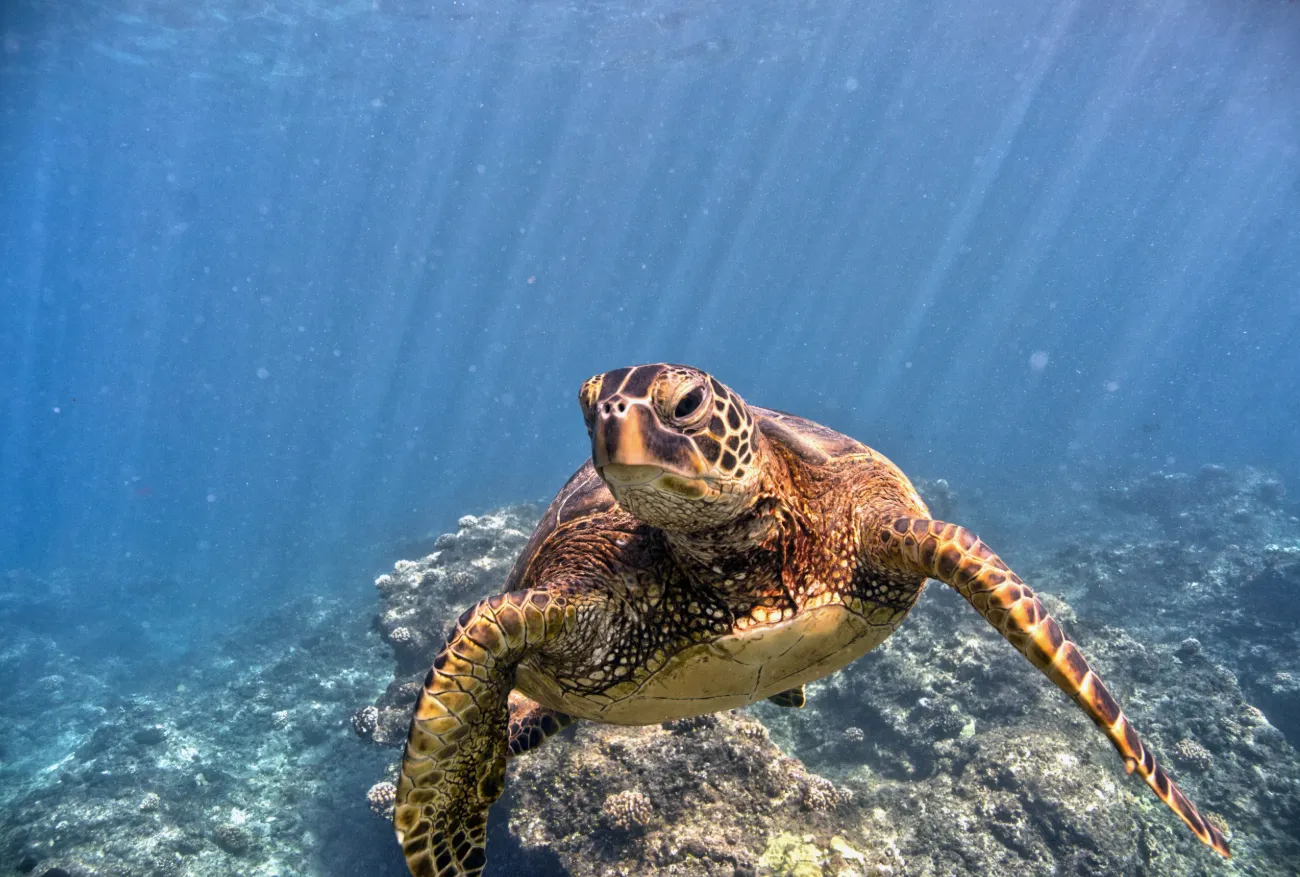
The green sea turtle is one of the most famous marine turtles. Unlike many other sea turtles, adult green turtles mainly feed on seagrass and algae, which helps maintain healthy marine habitats.
The phrase “turtle drawing” is popular because turtles are easy and enjoyable subjects for children and beginners to draw. A turtle’s oval shell, small head, legs, and tail make it a simple subject for art and education.
The History of Their Scientific Naming
The scientific study of turtles is connected with taxonomy, the system scientists use to name and classify living things. Turtles belong to the order Testudines, which includes turtles, tortoises, and terrapins.
The word Testudines comes from Latin roots connected with “tortoise” or “shell-covered animal.” This name reflects the most obvious feature of turtles: their protective shell.
Important naming points include:
- Kingdom: Animalia
- Phylum: Chordata
- Class: Reptilia
- Order: Testudines
- Common group name: Turtles, tortoises, and terrapins
- Main body feature: A bony or leathery shell covering the body
Scientists use scientific names because common names can vary across countries, languages, and local traditions. For example, the name turtle may refer to sea turtles in one region and freshwater turtles in another.
A green sea turtle is scientifically known as Chelonia mydas, while a common snapping turtle is known as Chelydra serpentina. Scientific naming helps researchers accurately identify species, track conservation status, and understand evolutionary relationships.
This organized naming system also helps protect turtles, because conservation laws and research programs depend on correct species identification.
Their Evolution And Their Origin
The origin of turtles goes back more than 200 million years. Turtles are among the oldest surviving reptile groups, and their body design has remained remarkably successful through deep evolutionary time.
The most distinctive evolutionary feature of turtles is the shell. Unlike armor that sits on the body, the turtle shell is built from modified bones, including ribs and parts of the backbone. This makes the turtle’s body plan very different from most other reptiles.
Fossil evidence shows that ancient turtle relatives already had important shell features during the Late Triassic period. Proterochersis robusta, from Germany, is described as one of the oldest known fossil turtles with a fully formed shell.
Over time, turtles diversified into different habitats. Some became marine turtles with flipper-like limbs. Others adapted to freshwater habitats, forests, grasslands, deserts, and wetlands. Sea turtle fossils are known from the Cretaceous Period, and some ancient sea turtles reached impressive sizes. Britannica notes that Archelon ischyros, a Late Cretaceous sea turtle, reached about 3.5 meters in length.
Modern turtles are generally divided into two major groups: Cryptodira, which pull the neck backward into the shell, and Pleurodira, which bend the neck to the side. This difference shows how evolution has shaped turtle anatomy in multiple ways.
Their long survival proves that turtles are highly adaptable. However, slow growth, delayed maturity, and low hatchling survival make many turtle species vulnerable to rapid environmental change.
Their main food and its collection process
Turtles have different diets depending on their species, age, habitat, and body structure. Some turtles are mostly herbivores, some are carnivores, and many are omnivores.
A green sea turtle is mainly herbivorous as an adult. It eats seagrass and algae, although young turtles may also eat small animals and organisms found in ocean drift communities.
Freshwater turtles often eat a mixed diet. A painted turtle may consume aquatic plants, insects, small fish, snails, worms, and algae. A snapping turtle is more carnivorous and may eat fish, frogs, insects, dead animals, and sometimes aquatic plants.
Their food collection process includes:
- Searching by smell and sight: Many turtles use smell and vision to detect food in water or on land.
- Grazing: Herbivorous turtles feed slowly on aquatic plants, algae, grasses, and seagrass.
- Ambush feeding: Some turtles, especially snapping turtles, wait quietly and strike when prey comes close.
- Scavenging: Many turtles eat dead fish or animals, helping clean aquatic ecosystems.
- Biting and tearing: Turtles do not have teeth. Instead, they use hard beak-like jaws to cut, crush, or tear food.
- Seasonal feeding: In colder regions, turtles may eat less during winter because their metabolic rate slows.
Baby turtles usually eat more protein-rich food than adults because they need energy for growth. As they mature, some species shift toward more plant-based diets.
Food availability directly affects turtle growth, reproductive success, and survival. Healthy wetlands, rivers, beaches, coral reefs, and seagrass beds are therefore essential for turtle life.

Their life cycle and ability to survive in nature
Egg Stage
The life cycle of a turtle begins when a female lays eggs in a carefully selected nest. Sea turtles usually dig nests above the high-tide line on sandy beaches. Freshwater turtles often nest in soft soil, sandy banks, or open ground near water.
Sea turtle females may lay 50 to 200 eggs, depending on the species, and may nest several times in a season.
Hatchling Stage
After incubation, hatchlings break the shell using a temporary egg tooth called a caruncle. In sea turtles, incubation typically lasts 45 to 65 days, depending on the species and sand temperature.
Hatchlings usually emerge together and move toward water. They face many predators, including birds, crabs, fish, raccoons, and larger reptiles.
Juvenile Stage
Juvenile turtles spend years growing, feeding, hiding, and avoiding predators. Their shells become stronger, and their swimming or walking ability improves.
Adult Stage
Their size and shell provide better protection for adult turtles. However, they still face threats such as habitat destruction, fishing gear, pollution, road traffic, and illegal trade.
Survival Ability
Turtles survive through their shell protection, slow metabolism, strong navigation, camouflage, and long lifespans. Some species migrate over long distances between feeding and nesting areas. Sea turtles, for example, spend most of their lives in the ocean and migrate between foraging grounds and nesting beaches.
Their Reproductive Process and raising their children
Turtle reproduction is unique because most species provide little or no parental care after laying eggs. The mother’s main responsibility is to choose a safe nesting place, lay eggs, cover the nest, and leave.
The reproductive process usually includes:
- Mating: Male and female turtles mate in water or near nesting areas, depending on the species.
- Nesting migration: Many female sea turtles return to the same general region where they hatched. Green turtles may reproduce every 2 to 5 years and return to nesting areas after long migrations.
- Nest digging: The female digs a hole using her hind limbs or flippers.
- Egg laying: She deposits soft-shelled eggs into the nest chamber.
- Covering the nest: She covers the eggs with sand or soil to hide them from predators.
- Incubation: The eggs develop using warmth from the environment.
- Hatching: Baby turtles emerge and move independently toward water or shelter.
In many turtles, temperature plays an important role in development. For sea turtles, warmer nest temperatures tend to produce more females, while cooler temperatures tend to produce more males.
Turtles usually do not raise their children like mammals or birds. There is no feeding, guarding, or teaching after hatching. Baby turtles must instinctively find food, avoid danger, and locate suitable habitat.
This strategy produces many eggs, but only a few hatchlings survive to adulthood. That is why protecting nesting sites is extremely important.
The importance of them in this Ecosystem
They Maintain Aquatic Balance
Turtles help keep aquatic ecosystems balanced. Many freshwater turtles eat dead animals, insects, plants, and small aquatic organisms. This makes them natural cleaners in ponds, rivers, lakes, and wetlands.
They Support Seagrass and Coral Systems
Adult green sea turtles graze on seagrass and algae. This feeding behavior can help maintain healthier seagrass beds, which are important habitats for fish, crabs, and many marine organisms. NOAA notes that green turtles mainly eat algae and seagrasses as adults.
They Help Nutrient Cycling
When turtles move between water and land, they transfer nutrients between habitats. Eggs, nests, shells, and natural waste all contribute nutrients to soil, beaches, and wetland systems.
They Are Food for Other Animals
Eggs and hatchlings are food for many predators. Although this may seem harsh, it is part of the natural food web. Birds, fish, crabs, mammals, and reptiles all benefit from turtle reproduction.
They Indicate Environmental Health
Turtles are often considered indicators of habitat quality. When turtle populations decline, it may signal problems such as pollution, wetland destruction, overfishing, or climate stress.
They Support Human Education and Culture
Turtles also have cultural, educational, and scientific value. From classroom lessons to wildlife documentaries and turtle drawing activities, they help people understand nature, patience, survival, and conservation.
What to do to protect them in nature and save the system for the future
Turtles need protection because many species are threatened by human activity. Current global turtle data raise serious concerns: a 2021 turtle checklist found that about 51.3% of turtles and tortoises are threatened, and this may rise to about 55.9% when data-deficient species are included.
To protect turtles and their ecosystems, we should:
- Protect nesting beaches from construction, vehicles, and heavy tourism.
- Reduce artificial lighting near beaches, as it can confuse sea turtle hatchlings.
- Keep wetlands safe by preventing filling, pollution, and illegal land conversion.
- Avoid plastic pollution, as turtles may mistake it for food.
- Use turtle-friendly fishing gear to reduce accidental capture in nets, hooks, and traps.
- Do not buy illegal turtle products such as shells, meat, eggs, or wild-caught pets.
- Help turtles cross roads safely only when it is safe for humans, and always move them in the direction they were going.
- Never remove wild turtles from the wild unless they are injured and need rescue.
- Support local conservation programs that protect nests, monitor populations, and restore habitats.
- Teach children about turtles through science lessons, nature walks, and responsible art activities, such as turtle drawing.
- Keep rivers, ponds, and beaches clean by reducing waste and joining cleanup programs.
- Report injured turtles to local wildlife rescue groups instead of handling them carelessly.
Protecting turtles means protecting beaches, oceans, wetlands, rivers, and food webs. Their survival is connected to the future health of many ecosystems.

Frequently Asked Questions (FAQs)
Q1: What is the life cycle of a turtle?
A: The life cycle of a turtle includes egg, hatchling, juvenile, young adult, and adult stages. Adults reproduce and begin the cycle again by laying eggs.
Q2: How long does it take for turtle eggs to hatch?
A: It depends on the species and temperature. Sea turtle eggs commonly incubate for 45 to 65 days, while many freshwater turtles may take a similar or slightly longer time, depending on the climate.
Q3: What do baby turtles eat?
A: Baby turtles often eat insects, tiny aquatic animals, algae, worms, small plants, and other soft food. Their diet depends on whether they are sea, freshwater, or land turtles.
Q4: Do turtles take care of their babies?
A: Most turtles do not care for their babies after laying eggs. Hatchlings survive by instinct.
Q5: How long can turtles live?
A: Many turtles live for decades. Some sea turtles, such as green turtles, may live 70 years or more.
Q6: What is the difference between a turtle and a tortoise?
A: A turtle is often linked with water or semi-aquatic life, while a tortoise usually lives on land. However, both belong to the order Testudines.
Q7: Are snapping turtles dangerous?
A: A snapping turtle can bite strongly if handled or disturbed. It is best to observe it from a safe distance and never pick it up unnecessarily.
Q8: Why are turtles important to nature?
A: Turtles clean aquatic habitats, support food webs, graze on plants, cycle nutrients, and indicate ecosystem health.
Conclusion
The life cycle of a turtle is a powerful example of patience, survival, and natural balance. From a tiny egg hidden under sand or soil, a turtle grows through dangerous early stages before becoming a strong adult. Each stage has a purpose, and each challenge helps shape the turtle’s role in nature.
Turtles are more than slow-moving reptiles with shells. They are ancient survivors, ecosystem cleaners, seagrass grazers, cultural symbols, and important members of both land and water habitats. Species such as the green sea turtle, painted turtle, and snapping turtle demonstrate the diversity of turtles.
However, many turtles now face serious threats from habitat loss, pollution, climate change, fishing gear, road accidents, and illegal trade. Protecting them requires clean beaches, safe wetlands, responsible fishing, and public awareness.
By understanding turtles, we can protect not only one animal group but also the natural systems that support life for future generations.
Also Read: life cycle of a moth
About the Author