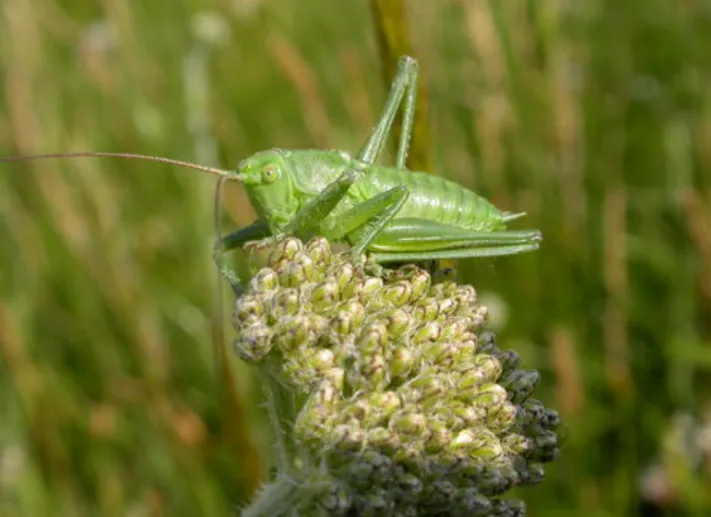
The cricket‘s life cycle is a fascinating natural process that shows how a tiny egg becomes a jumping, chirping adult. Crickets are best known for their nighttime chirping, strong back legs, long antennae, and their important role in the food chain. Most common crickets, including the house cricket insect and black cricket insect, pass through three main stages: egg, nymph, and adult.
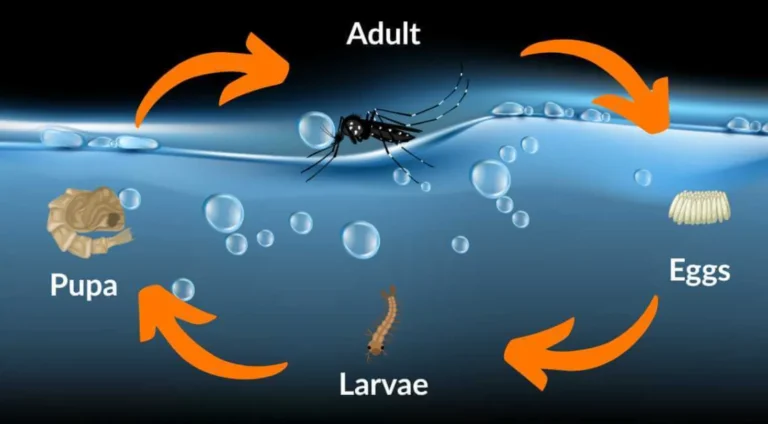
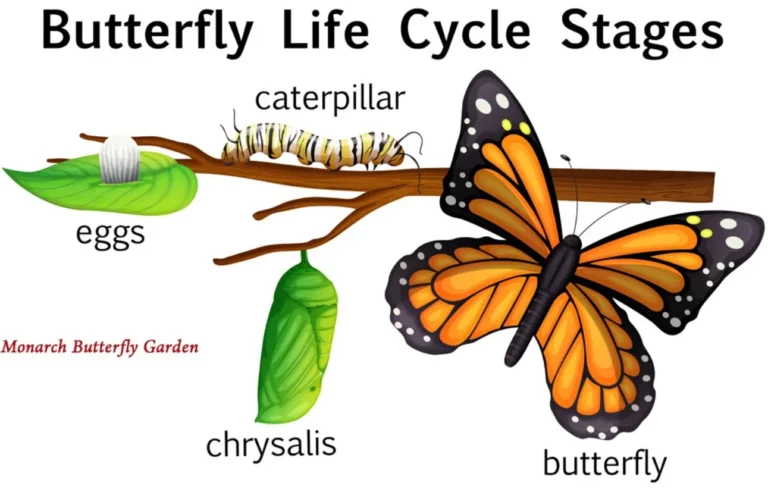
Unlike butterflies, crickets do not have a pupal stage. This means they undergo incomplete metamorphosis, in which young crickets look like smaller versions of adults. As they grow, they shed their outer body covering several times before becoming mature adults.
Crickets are more than noisy insects. They help break down organic matter, become food for birds and reptiles, and support soil health. Understanding the cricket insect life cycle helps us see why these small insects matter in nature.
Q: How many stages are in the cricket insect life cycle?
A: The cricket insect life cycle has three main stages: egg, nymph, and adult.
Q: How long does a cricket insect live?
A: Many crickets live around 8 to 10 weeks, but the exact lifespan depends on species, temperature, food, and environment.
Q: Why do cricket insects make sound?
A: Male crickets usually make sounds by rubbing their wings together. This sound helps them attract females and communicate with them.
Quick Life Cycle Table
| Life Cycle Stage | Main Features | Approximate Duration | Survival Role |
| Egg | Tiny, oval eggs are laid in soil, plant matter, or moist places | 1–2 weeks in warm conditions | Protects the developing baby cricket |
| Nymph | Small cricket-like young without full wings | 4–8 weeks | Eats, grows, molts, and avoids predators |
| Adult | Fully grown cricket with wings and reproductive ability | Around 6–10 weeks | Reproduces, makes sound, and spreads the population |
| Full Cycle | Egg to adult | Often 2–3 months | Maintains the cricket population in nature |

The History of Their Scientific Naming
The scientific naming of crickets is connected to the classification of insects in the order Orthoptera. The word Orthoptera comes from Greek roots meaning “straight wings.” This order includes grasshoppers, locusts, katydids, and crickets.
Crickets are mainly placed in the family Gryllidae, which includes many true cricket species. Scientific classification helps researchers, students, farmers, and pest control experts correctly identify crickets.
Important points about their scientific naming:
- Kingdom: Animalia
- Phylum: Arthropoda
- Class: Insecta
- Order: Orthoptera
- Suborder: Ensifera
- Family: Gryllidae
The common name cricket is used for many similar insects, but not all cricket-like insects are true crickets. For example, camel crickets and mole crickets are related but may belong to different families.
The scientific name of the common house cricket insect is Acheta domesticus. The word “domesticus” reflects its close association with human homes and buildings.
Their Evolution And Their Origin
The evolutionary history of the cricket insect is closely linked to the larger insect order Orthoptera, one of the oldest and most recognizable groups of winged insects. Orthopterans include crickets, grasshoppers, katydids, and locusts.
Crickets likely evolved from ancient orthopteran ancestors that lived in warm, plant-rich environments. Over time, they adapted to forests, grasslands, caves, agricultural fields, gardens, and human settlements.
Their long antennae helped them sense their surroundings in dark or hidden places. Their strong hind legs helped them jump away from predators quickly. These features enabled crickets to be highly successful across different habitats.
One of the most important evolutionary features of crickets is their ability to produce sound. Male crickets use sound to attract females and defend territory. This gave them an advantage in reproduction because females could locate suitable mates even in grass, leaf litter, or darkness.
Crickets also evolved a simple but successful life cycle. Instead of passing through complete metamorphosis like butterflies, crickets go through incomplete metamorphosis. The young cricket, called a nymph, resembles the adult but is smaller and wingless.
Their origin is not limited to one continent. Crickets are now found worldwide, except in extremely cold regions where survival is difficult. Their ability to eat a wide range of foods, hide in small spaces, reproduce quickly, and adapt to different temperatures has made them one of the most successful insect groups in nature.
Their main food and its collection process
Crickets are generally omnivorous insects, meaning they can eat both plant and animal-based materials. Their diet changes depending on habitat, species, season, and food availability.
In gardens and fields, crickets may eat leaves, seeds, fruits, flowers, small roots, decaying plant matter, fungi, and sometimes dead insects. Around human homes, the house cricket insect may feed on crumbs, grains, fabrics, organic waste, and stored food particles.
Their food collection process is simple but effective:
- Searching with antennae: Crickets use their long antennae to sense smell, touch, moisture, and nearby food.
- Feeding with chewing mouthparts: Crickets have strong chewing mouthparts. They bite and chew soft leaves, seeds, dead plant material, and organic particles.
- Eating at night: Many crickets are more active at night. Night feeding helps them avoid predators such as birds, lizards, frogs, and small mammals.
- Using hidden habitats: Crickets often feed near shelters such as grass clumps, stones, logs, cracks, garden beds, and warm indoor areas.
- Recycling organic matter: By eating decaying plants and dead insects, crickets help break down waste and return nutrients to the soil.
This flexible feeding habit helps crickets survive in many environments. It also makes them important in natural nutrient recycling.
Their life cycle and ability to survive in nature
Egg Stage
The egg stage marks the beginning of the cricket’s life cycle. Female crickets lay eggs in soil, damp cracks, plant debris, or other protected places.
A female uses a special egg-laying organ called an ovipositor to place eggs safely in suitable material. Warm and slightly moist conditions help eggs develop faster.
If the environment is too dry, eggs may fail to hatch. If it is too cold, development may slow down.
Nymph Stage
After hatching, baby crickets are called nymphs. Nymphs look like tiny adults but do not have fully developed wings. They begin feeding soon after hatching and grow through several molts.
Molting means the cricket sheds its old outer covering, called the exoskeleton, and forms a larger one. This process allows the cricket to grow.
Adult Stage
The adult cricket is fully developed and can reproduce. Male adults often produce the well-known cricket insect sound to attract females.
Adults usually focus on mating, feeding, avoiding predators, and continuing the next generation.
Survival Ability in Nature
Crickets survive by hiding, jumping, feeding at night, and reproducing quickly. Their brown, black, or greenish body colors help them blend into soil, grass, bark, or leaves.
Their long antennae detect movement and danger. Their strong back legs allow them to escape quickly. They also survive by eating a wide variety of food.

Their Reproductive Process and raising their children
The reproductive process of crickets is simple but highly effective. Adult males attract females mainly through sound. The male cricket insect’s sound is not random noise. It is a mating signal created by rubbing the wings together.
Different cricket species may produce different rhythms, tones, and patterns.
Key points about cricket reproduction:
- Male calling: Male crickets chirp to attract females. A strong and regular sound may signal good health and maturity.
- Female selection: Female crickets listen to the sound and move toward suitable males.
- Mating process: After courtship, the male transfers sperm to the female through a reproductive packet called a spermatophore.
- Egg laying: The female lays eggs in soil, plant matter, or moist protected spaces using her ovipositor.
- No parental care: Most cricket species do not care for their young as birds or mammals do. After laying eggs, the female usually leaves them.
- Natural protection: The eggs are protected mainly by their hidden location. Soil, cracks, leaf litter, and plant debris help protect them from drying, predators, and sunlight.
- Nymph independence: Once the eggs hatch, nymphs are independent. They search for food, hide from predators, and molt as they grow.
Although crickets do not actively care for their children, their reproductive strategy works because they lay many eggs and choose protected places. This increases the chance that at least some young crickets will survive to adulthood.
The house cricket insect can reproduce quickly in warm conditions. That is why house crickets may multiply in warm indoor spaces, farms, storage rooms, or cricket-rearing systems.
Important Things That You Need To Know
Before learning the full life cycle, it is useful to understand some common terms people search for when they want to identify or learn about crickets. A cricket is a jumping insect belonging mainly to the family Gryllidae, under the order Orthoptera.
The phrase insect cricket insect is often used by people who want to confirm whether a cricket is truly an insect. Yes, it is an insect because it has three body parts: head, thorax, and abdomen, along with six legs.
Many people also search for cricket insect images to identify different species, such as house crickets, field crickets, mole crickets, and tree crickets. These images help people notice important body parts, such as long antennae, jumping legs, wings, and body color.
Another popular search term is cricket insect sound. The sound is usually produced by males, mainly to attract females. This sound is called stridulation. In many species, the male rubs one wing against another to create the familiar chirping noise.
The house cricket is one of the most commonly seen insects around homes, storage areas, gardens, and warm indoor spaces. It is usually yellowish-brown and prefers warm areas.
A black cricket insect often refers to field crickets, which are darker and commonly found outdoors in grasslands, gardens, and under stones.
People also search for cricket insect close up because crickets have interesting body features. A close view shows long antennae, large eyes, jumping legs, wing covers, and sensory appendages called cerci at the back of the body.
The importance of them in this Ecosystem
Natural Food Source
Crickets are an important food source for many animals. Birds, frogs, lizards, spiders, small mammals, fish, and other insects eat crickets.
Without insects like crickets, many animals would lose an important part of their diet. This makes crickets a valuable part of the food chain.
Soil and Nutrient Recycling
Crickets help break down dead leaves, plant pieces, fungi, and other organic material. When they feed on decaying matter, they support decomposition.
This helps nutrients return to the soil, supporting plant growth and soil fertility.
Balance in the Food Chain
Crickets connect plants, decomposing matter, and predators. They eat plant material and organic waste, then become prey for larger animals.
This makes them a useful link in the Ecosystem.
Support for Biodiversity
A healthy cricket population can indicate a balanced natural environment. Crickets live in grasslands, gardens, forests, farms, and wetlands.
Their presence supports many predator species and helps maintain biodiversity.
Role in Human Food and Feed Research
In recent years, crickets have also become a key focus in discussions about sustainable protein. Edible crickets are studied as food and animal feed because they can provide nutrients with a lower environmental impact compared with some traditional livestock systems.
Crickets may seem small, but their ecological value is large. They support soil, predators, nutrient cycles, and biodiversity.
What to do to protect them in nature and save the system for the future
Protecting crickets means protecting the small but important parts of nature that keep ecosystems balanced. Since crickets help with decomposition, soil health, and the food chain, we should avoid destroying their habitats unnecessarily.
- Reduce chemical pesticide use: Excessive pesticide use can kill crickets and many other beneficial insects. Use natural pest control methods whenever possible.
- Keep natural garden corners: Leave small areas with grass, leaves, stones, and plant debris. These spaces provide crickets with shelter and places to lay eggs.
- Protect soil moisture: Dry, damaged soil can reduce cricket survival. Mulching and planting ground cover can help maintain healthy soil.
- Avoid burning leaf litter: Leaf litter is a home for many small insects. Instead of burning it, allow some organic matter to decompose naturally.
- Plant native vegetation: Native grasses, shrubs, and flowering plants support insects, birds, and other wildlife.
- Control pollution: Chemical waste, plastic waste, and contaminated water can damage cricket habitats.
- Use outdoor lights wisely: Bright artificial lights may disturb insects. Use soft lighting and turn off unnecessary lights at night.
- Teach children about insects: Many people fear insects because they do not understand them. Simple education helps people respect crickets and other small creatures.
- Support biodiversity-friendly farming: Farms that protect soil, reduce chemicals, and maintain natural borders can support cricket populations.
- Do not destroy every insect you see: Some crickets may enter homes, but outdoor crickets are part of nature’s system. Remove indoor crickets gently when possible.
Protecting crickets does not mean allowing uncontrolled pest problems. It means keeping a healthy balance between human needs and the natural Ecosystem.

Frequently Asked Questions FAQs
Q1: What is the life cycle of the cricket insect?
A: The life cycle of the cricket insect includes three stages: egg, nymph, and adult. Crickets do not have a pupal stage like butterflies.
Q2: How long does a cricket take to become an adult?
A: In warm conditions, many crickets become adults in about one to two months, though the full life cycle may take around two to three months depending on species and environment.
Q3: What does a baby cricket insect look like?
A: A baby cricket is called a nymph. It looks like a small adult cricket, but it usually has no fully developed wings.
Q4: Why does a cricket insect make sound?
A: Male crickets make sounds mainly to attract females. They create this sound by rubbing their wings together.
Q5: Is a house cricket insect harmful?
A: A house cricket insect is usually not dangerous to humans. However, if many enter a home, they may damage fabrics, stored food, paper, or plants.
Q6: What does a cricket insect eat?
A: Crickets eat leaves, seeds, fruits, fungi, dead insects, decaying plant matter, crumbs, and organic waste. They are generally omnivorous.
Q7: What is a black cricket insect?
A: A black cricket insect usually refers to field crickets or dark-colored cricket species. They are commonly found outdoors in gardens, grass, and soil cracks.
Q8: Where can I find cricket insect images for identification?
A: You can identify crickets by looking for long antennae, jumping back legs, wing covers, and a narrow body. Search terms like cricket insect images and cricket insect close-up can help visually compare different species.
Conclusion
The cricket’s life cycle is simple, efficient, and important to nature. From a tiny egg, the cricket becomes a nymph, molts several times, and finally turns into an adult capable of making sound and reproducing.
This three-stage life cycle helps crickets survive in gardens, forests, fields, homes, and many natural habitats. Crickets are not just noisy night insects. They are useful decomposers, prey for many animals, and part of the natural food web.
The house cricket, black cricket, and other cricket species all play roles in maintaining ecological balance. By understanding their life cycle, food habits, reproduction, and ecosystem value, we can appreciate why crickets deserve protection.
A healthy environment needs small insects as much as large animals. Protecting crickets means protecting soil, biodiversity, and the natural system that supports life.
Also Read: life cycle of a flower
About the Author