The life cycle of a lightning bug—also commonly known as a firefly—is one of nature’s most fascinating transformations. These glowing insects are not just magical summer sights; they follow a complex biological journey from egg to adult. Understanding their life cycle helps us appreciate their ecological importance and the reasons behind their declining populations worldwide.
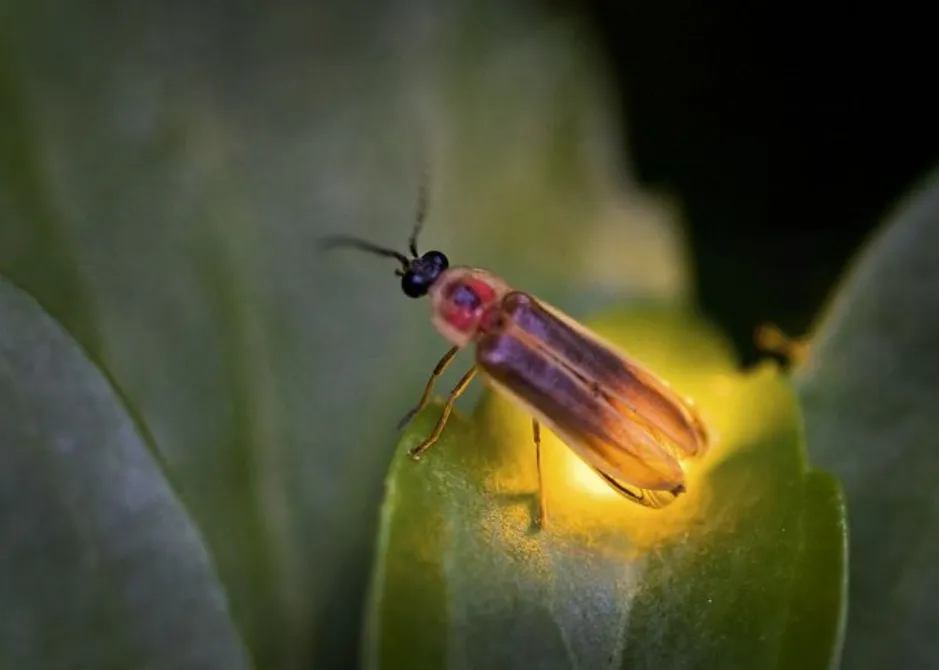
Lightning bugs belong to the beetle family Lampyridae, and their ability to produce light (bioluminescence) makes them unique among insects. From the moment they hatch, they begin a cycle of growth that includes several stages, each crucial for survival and reproduction.
Quick Answers (Most Common Questions)
1. What is the life cycle of a lightning bug?
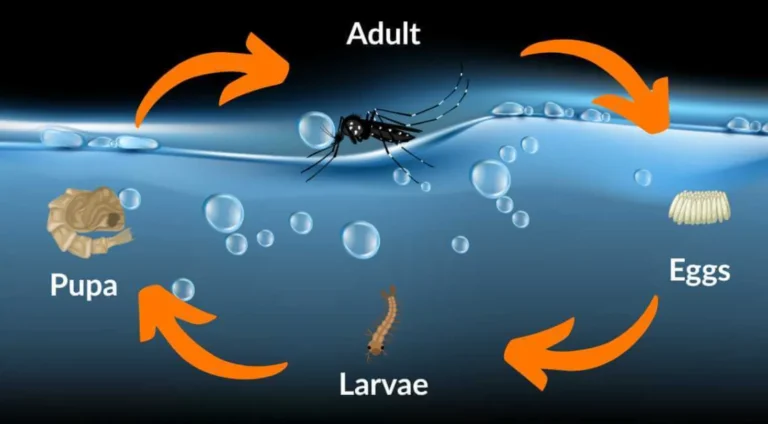
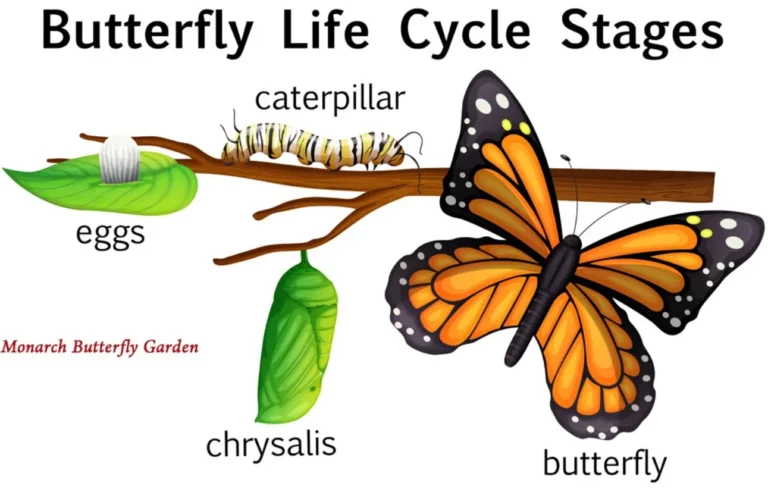
The lightning bug life cycle consists of four stages: egg → larva → pupa → adult.
2. How long do lightning bugs live?
Most lightning bugs live for about 1–2 years, spending most of their life as larvae.
3. Why do lightning bugs glow?
They glow to communicate, attract mates, and sometimes warn predators.
Quick Life Cycle Table
| Stage | Duration | Key Characteristics |
| Egg | 3–4 weeks | Laid in moist soil, faint glow |
| Larva | Several months to 1 year | Active hunters, glow in the dark |
| Pupa | 1–3 weeks | Transformation stage |
| Adult | 2–4 weeks | Mating, glowing display |

The History Of Their Scientific Naming
The lightning bug, often referred to as a firefly, belongs to the family Lampyridae. The name comes from the Greek word “lampein,” meaning “to shine.” Scientists classified these insects based on their glowing ability and beetle-like structure.
- The term firefly vs lightning bug depends on regional usage. Both names refer to the same insect.
- They are not true flies but are actually beetles.
- The classification dates back to early entomological studies in the 18th century.
- Over 2,000 species have been identified worldwide.
- Their naming also reflects their unique ability to produce “cold light” through chemical reactions.
Scientific classification helped researchers understand their behavior, reproduction, and ecological importance more deeply.
Their Evolution And Their Origin
Lightning bugs have a long evolutionary history that dates back millions of years. Fossil records suggest that early ancestors of fireflies existed during the Cretaceous period, alongside dinosaurs. Over time, they developed bioluminescence as a survival mechanism.
Originally, the glow was likely used as a defense strategy. Predators quickly learned to associate the light with a bad taste or toxicity. Later, this glowing ability evolved into a communication tool, especially for mating.
Different species developed unique flashing patterns. These patterns act like a biological language, helping males and females identify each other in the dark. This adaptation increased reproductive success and species survival.
Lightning bugs are found in temperate and tropical regions across the globe. Their habitats range from forests and wetlands to grasslands. However, they thrive best in areas with moisture and minimal light pollution.
The evolution of fireflies is also closely linked to environmental changes. Their dependence on clean ecosystems makes them highly sensitive indicators of environmental health. Today, scientists study their evolution to understand biodiversity and conservation needs better.
Their Main Food and Its Collection Process
Lightning bugs have different feeding habits depending on their life stage. While adults may feed less, larvae are active predators.
Main Food Sources
- Snails and slugs
- Worms
- Soft-bodied insects
- Small larvae
Food Collection Process
- Larvae use chemical signals to detect prey in soil and leaf litter.
- They inject digestive enzymes into their prey.
- This process liquefies the prey, making it easier to consume.
- Adult lightning bugs may feed on nectar or pollen.
- Some adult species do not eat at all and focus only on reproduction.
The larval stage is crucial because it provides the energy needed for metamorphosis. Their predatory behavior also helps control pest populations, making them beneficial for ecosystems.
Important Things That You Need To Know
Lightning bugs are not just glowing insects—they are deeply connected to culture, science, and biodiversity.
The difference between lightning bug and firefly is purely regional, with no biological distinction. In the southern United States, people commonly use “lightning bug,” while “firefly” is more popular in northern regions.
In popular culture, characters like the lightning bug from princess and the frog have made these insects even more recognizable. This representation highlights their magical glow and emotional symbolism.
Some people even get lightning bug tattoo designs, symbolizing hope, guidance, and inner light. Their glow has become a metaphor for inspiration and positivity.
Interestingly, places like lightning bug golf course use the name to create a sense of calm and natural beauty, inspired by these glowing creatures.
Another fascinating fact is how different species communicate through light. Each species has a unique blinking pattern, which prevents confusion during mating.
Understanding these aspects helps us appreciate lightning bugs beyond their biological life cycle. They are symbols of nature’s beauty and play an essential role in maintaining ecological balance.

Their Life Cycle and Ability to Survive in Nature
Egg Stage
Lightning bugs lay eggs in moist soil or leaf litter. These eggs sometimes emit a faint glow, possibly to deter predators.
Larval Stage
This is the longest stage. Larvae are active hunters and glow to warn predators of their toxicity.
Pupal Stage
During this stage, the larva transforms into an adult. It remains inactive while undergoing internal changes.
Adult Stage
Adults focus mainly on reproduction. Their glowing patterns help them find mates.
Lightning bugs survive by adapting to their environment. Their glow acts as both a defense mechanism and a communication tool, increasing their chances of survival.
Their Reproductive Process and Raising Their Children
- Male lightning bugs use flashing signals to attract females.
- Each species has a unique light pattern.
- Females respond with their own flashes.
- After mating, females lay eggs in moist soil.
- Eggs hatch within a few weeks.
- No parental care is provided after egg-laying.
- Larvae are independent from birth.
- They immediately begin hunting for food.
The reproductive process is highly dependent on environmental conditions. Light pollution can disrupt their mating signals, reducing reproduction rates.
Importance of Them in this Ecosystem
Natural Pest Control
Lightning bug larvae feed on harmful pests like snails and slugs.
Indicator of Environmental Health
Their presence indicates a healthy ecosystem.
Pollination Support
Some adult species contribute to pollination.
Food Chain Role
They serve as prey for birds, frogs, and spiders.
Lightning bugs play a vital role in maintaining ecological balance and biodiversity.
What to Do to Protect Them in Nature and Save the System for the Future
- Reduce outdoor artificial lighting
- Preserve natural habitats like wetlands and forests
- Avoid using pesticides and chemicals
- Maintain moist soil conditions in gardens
- Plant native vegetation
- Create dark zones for natural mating
- Support conservation programs
- Educate others about their importance
Protecting lightning bugs ensures the survival of many interconnected species.

Frequently Asked Questions (FAQs)
1. Are lightning bugs and fireflies the same?
Yes, they are the same insect with different names.
2. Why do lightning bugs flash at night?
They flash to communicate and attract mates.
3. Can lightning bugs bite humans?
No, they are harmless to humans.
4. What do lightning bug larvae eat?
They feed on snails, slugs, and small insects.
5. How long does the larval stage last?
It can last several months to over a year.
6. Do all lightning bugs glow?
Most do, but some species have limited or no glow.
7. Why are lightning bugs disappearing?
Habitat loss, pollution, and artificial lighting are major causes.
8. Can you keep lightning bugs as pets?
It is not recommended, as they require natural habitats to survive.
Conclusion
The life cycle of a lightning bug is a remarkable journey that highlights the beauty and complexity of nature. From glowing eggs to bioluminescent adults, each stage plays a crucial role in their survival and reproduction.
These insects are more than just a summer spectacle—they are vital contributors to ecosystems. Their ability to control pests, indicate environmental health, and inspire human culture makes them incredibly valuable.
However, lightning bugs face growing threats from habitat destruction and light pollution. By taking simple conservation steps, we can help protect these glowing wonders for future generations.
Understanding their life cycle not only deepens our appreciation but also motivates us to preserve the delicate balance of nature they represent.
Also Read: life cycle in ferns
About the Author