The turtle life cycle is the natural journey a turtle passes through from egg to hatchling, juvenile, and adult. Turtles are reptiles of the order Testudines, known for their hard shell, slow growth, long lifespan, and strong survival instincts. Their life cycle may look simple, but it is deeply connected with beaches, rivers, ponds, wetlands, forests, and oceans.
Most turtles begin life inside eggs laid on land. Even sea turtles, which spend nearly all their adult life in the ocean, must come ashore to nest. After hatching, young turtles face many dangers from predators, weather, pollution, and habitat loss. Only a small number survive to adulthood, making each stage of the turtle life cycle important to nature.
Different turtle species grow at different speeds. A sea turtle may take decades to become mature, while some freshwater turtles grow faster. The basic stages, however, remain similar: egg, hatchling, juvenile, and adult turtle.
Quick Answers
Q: What are the main stages of the Turtle’s life cycle?
A: The main stages are egg, hatchling, juvenile Turtle, and adult turtle.
Q: How long does it take turtle eggs to hatch?
A: Many sea turtle eggs hatch after about two months, though the exact time depends on species, temperature, and nesting conditions.
Q: Do turtles take care of their babies?
A: Most turtles do not raise their young. The female lays eggs, covers the nest, and leaves. Hatchlings must survive by themselves.
Quick Life Cycle Table
| Life Stage | What Happens | Main Habitat | Key Risk |
| Egg | Females lay eggs in sand, soil, or nesting ground | Beach, riverbank, forest soil | Predators, flooding, and heat |
| Hatchling | Baby turtle breaks its shell and moves toward water or cover | Beach, wetland, pond edge | Birds, crabs, fish, mammals |
| Juvenile | Young Turtle grows, feeds, and learns survival patterns | Ocean, pond, river, marsh | Pollution, predators, and fishing gear |
| Adult Turtle | Mature turtle mates migrate, nest, and continue the cycle | Species-specific habitat | Habitat loss, bycatch, and illegal trade |

Important Things That You Need To Know
The word Turtle is often used for many shelled reptiles, but different names may describe different lifestyles. A sea turtle lives mostly in the ocean and returns to beaches for nesting. A snapping turtle is usually a freshwater turtle with a strong bite and powerful jaws. The alligator snapping Turtle is one of the largest freshwater turtles and is famous for its heavy head, ridged shell, and worm-like tongue lure.
Many people also search for turtle drawings because the turtle life cycle is commonly taught in schools through diagrams. A simple turtle drawing usually shows eggs, hatchlings, juveniles, and adult stages in a circular pattern. This makes the life cycle easier for children and visual learners.
The phrase “turtle beach” is important in real biology because sandy beaches are essential nesting sites for sea turtles. Artificial lights, tourism, plastic waste, and coastal construction can confuse hatchlings and damage nesting areas. Conservation groups often focus on keeping nesting beaches dark, clean, and quiet.
Franklin the Turtle is a fictional children’s character, not a real biological species. However, characters like Franklin can help children become curious about real turtles, their habitats, and why they need protection.
The History of Their Scientific Naming, Evolution, and Origin
Scientific Classification of Turtle
Turtles belong to the reptile order Testudines, also called Chelonia in many older or alternative scientific references. Their most unique feature is the shell, which includes the upper carapace and lower plastron. This shell is not just an outer covering; it is part of the skeleton.
Evolutionary Origin
Turtles are among the oldest surviving reptile groups. Fossil evidence shows that early turtle relatives existed around 220 million years ago during the Late Triassic period. One important fossil, Odontochelys semitestacea, had a well-developed plastron but an incomplete upper shell, helping scientists understand how the turtle shell evolved.
Why Their Evolution Matters
The long history of turtles proves their strong adaptation to changing environments. Over time, turtles spread into oceans, rivers, wetlands, forests, deserts, and grasslands. Their body design supports protection, slow metabolism, long life, and survival in many ecosystems.
Their Reproductive Process, Giving Birth And Rising Their Children
Mating and Nesting
Turtle reproduction begins when mature males and females mate. In many species, mating happens in water, but egg laying always happens on land. A female turtle chooses a nesting site, digs a hole with her back legs or flippers, deposits eggs, covers the nest, and leaves.
Egg Laying Process
A female sea turtle may lay a large clutch of eggs in a sandy beach nest. Some sources describe common nest sizes around 80 to 120 eggs, though the number varies by species and female size.
Freshwater turtles and tortoises may lay fewer eggs, depending on species. The nest must have the right temperature, moisture, and protection for successful development.
Hatching and Baby Survival
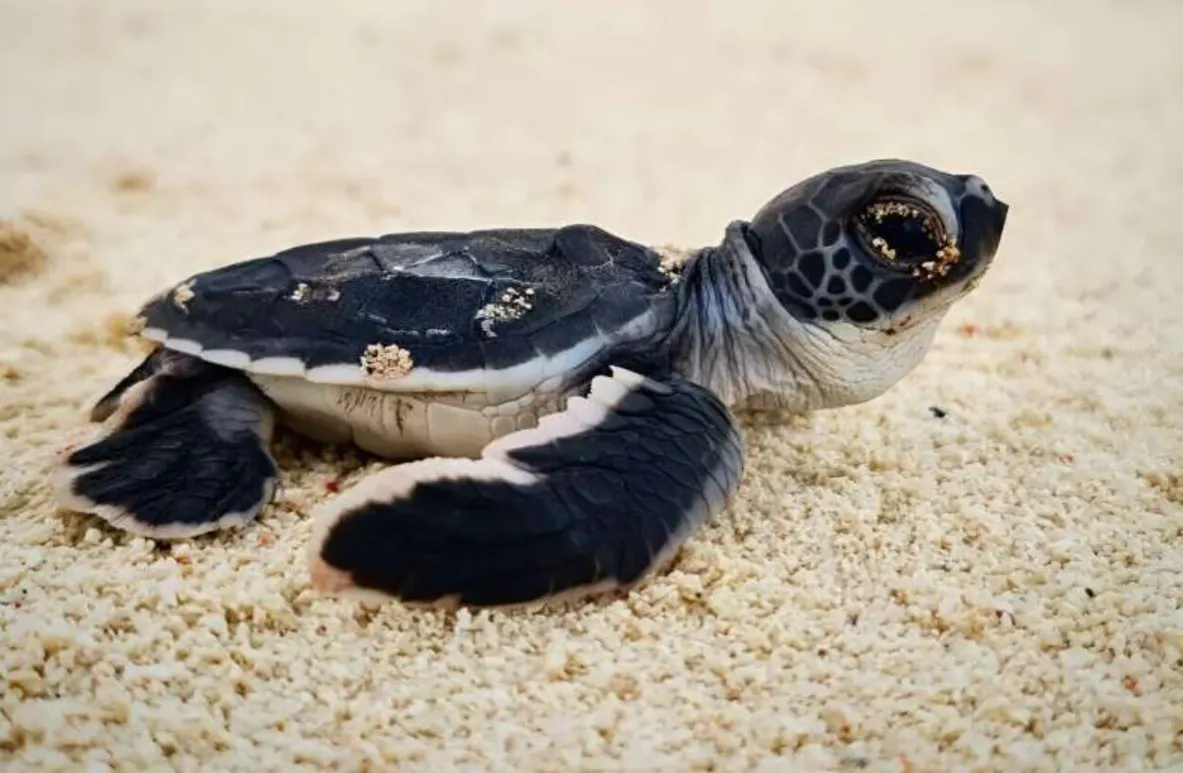
Baby turtles use a small temporary structure called an egg tooth to break the shell. Once they hatch, they dig upward and move toward water or safe cover. Sea turtle hatchlings usually emerge at night and use natural light over the ocean horizon to guide them. Artificial lights from buildings can lead them astray.
Do Turtles Raise Their Children?
Most turtles do not provide parental care after laying eggs. The young must find food, escape predators, and grow independently. This is why turtles lay many eggs: only a few hatchlings usually survive long enough to become adults.
Stages of Turtle Cycle of Life
Stage 1: Egg
The egg stage begins when the female Turtle lays eggs in a carefully dug nest. Sea turtles use beaches, while freshwater turtles may use riverbanks, sandy soil, or soft ground near wetlands. The egg stage is sensitive because temperature affects embryo development.
Predators such as raccoons, birds, ants, crabs, and other animals may eat turtle eggs. Flooding, erosion, and human disturbance can also destroy nests.
Stage 2: Hatchling
The hatchling stage begins when the baby turtle hatches from the egg. Hatchlings are small, soft, and highly vulnerable. For sea turtles, the dangerous journey from nest to ocean begins immediately.
Birds, crabs, fish, and mammals eat many hatchlings. Those that reach the water still face danger from fish, pollution, and floating plastic.
Stage 3: Juvenile Turtle
The juvenile turtle stage is the period of growth and learning. Young sea turtles may spend years in open ocean habitats before moving into coastal feeding areas. For loggerhead turtles, NOAA describes the early oceanic juvenile period as lasting about 7 to 15 years, followed by additional growth in nearshore habitats.
Freshwater juvenile turtles usually stay in ponds, rivers, marshes, or lakes where they feed and hide from predators.
Stage 4: Adult Turtle
The adult turtle is mature enough to reproduce. Adult turtles search for food, defend themselves, migrate, mate, and lay eggs. Many adult sea turtles travel long distances between feeding grounds and nesting beaches.
Their main diet, food sources, and collection process are explained
Turtle diets vary strongly by species, habitat, and life stage. Some turtles are herbivores, some are carnivores, and many are omnivores.
- Sea turtles: Diet varies by species. Green sea turtles become mainly plant-eaters as adults, feeding on seagrass and algae. Other sea turtles may eat jellyfish, sponges, crabs, shrimp, mollusks, or fish eggs.
- Freshwater turtles: Many eat insects, worms, snails, fish, aquatic plants, frogs, and carrion.
- Snapping turtles: These are opportunistic feeders. They may eat fish, amphibians, small animals, aquatic plants, and dead organisms.
- Tortoises: Most tortoises feed on grasses, leaves, flowers, fruits, and cactus pads, depending on habitat.
Turtles collect food using sight, smell, and movement detection. Aquatic turtles may chase prey, bite plants, or search muddy bottoms. Some species wait patiently and ambush food.
Their feeding behavior also helps ecosystems. For example, plant-eating turtles can support seagrass health, while scavenging turtles help remove dead organic matter.

How Long Does A Turtle Live
Turtles are famous for their long lifespans, but lifespan depends on species, environment, diet, disease, predators, and human threats.
- Small freshwater turtles may live around 20 to 40 years in suitable conditions. Some individuals live longer in captivity with proper care.
- Sea turtles often live for many decades. NOAA estimates the green Turtle‘s lifespan at 70 years or more, though the exact lifespan is difficult to confirm in the wild.
- Large tortoises can live more than 100 years. However, very old age claims are not always easy to verify scientifically, so reliable records matter.
- Wild turtles face predators, pollution, fishing gear, boat strikes, disease, and habitat loss. These risks can reduce survival even for naturally long-lived species.
- Captive turtles may live longer when they receive clean water, correct temperature, proper diet, UVB light, veterinary care, and enough space.
- Poor captivity can shorten life. Dirty tanks, wrong food, lack of sunlight or UVB, and stress can cause shell disease, weakness, and early death.
- Long life does not mean fast recovery. Many turtles grow slowly and reproduce late. If adults are killed, populations may take decades to recover.
Turtle Lifespan in the Wild vs. in Captivity
Lifespan in the Wild
In the wild, turtles live in natural ecosystems where they can migrate, forage, mate, and behave normally. However, wild turtles also face predators, unstable weather, disease, pollution, and human disturbance.
Sea turtles are particularly vulnerable to bycatch, plastic pollution, coastal lighting, egg harvesting, and loss of nesting beaches.
Lifespan in Captivity
In good captivity, turtles may avoid predators and receive regular food and medical care. This can increase survival, especially for injured turtles or endangered breeding programs.
However, captivity is only beneficial when care is expert and species-appropriate. Many pet turtles suffer from poor tanks, poor water quality, incorrect temperatures, and poor diets.
Main Difference
Wild turtles have freedom but face greater natural dangers. Captive turtles are protected but depend entirely on human care. For conservation, the best goal is not simply keeping turtles in captivity, but protecting healthy habitats where wild populations can survive naturally.
Importance of the Turtle in this Ecosystem
Turtles Support Food Webs
Turtles are both predators and prey. Eggs and hatchlings feed birds, crabs, raccoons, fish, and many other animals. Adult turtles may feed on plants, jellyfish, insects, mollusks, and dead matter, helping balance food webs.
Turtles Help Clean the Environment
Many freshwater turtles eat carrion and decaying matter. This natural scavenging helps reduce waste in ponds, rivers, and wetlands.
Sea Turtles Protect Marine Habitats
Some sea turtles help maintain healthy ocean systems. Green turtles graze on seagrass, while other species help control jellyfish or sponge communities. The U.S. Department of the Interior notes that turtles support ecosystems through seed dispersal, prey control, habitat interactions, and marine balance.
Turtles Are Indicators of Ecosystem Health
Because turtles are sensitive to pollution, habitat loss, climate change, and overharvesting, their decline often signals environmental stress. Protecting turtles also protects beaches, wetlands, rivers, and coastal ecosystems.
What to do to protect them in nature and save the system for the future
Protect Nesting Beaches
- Keep beaches clean, dark, and quiet during nesting season.
- Avoid disturbing nests, eggs, or nesting females.
- Reduce artificial lighting near turtle nesting areas.
Reduce Plastic Pollution
- Avoid single-use plastic bags, bottles, and fishing line.
- Turtles may mistake plastic for food, especially in marine environments.
- Join local beach, river, or wetland cleanup programs.
Support Safe Fishing Practices
- Use turtle-safe fishing methods where possible.
- Support Turtle Excluder Devices and bycatch-reduction rules.
- Do not leave nets, hooks, or lines in water.
Stop Illegal Turtle Trade
- Do not buy turtle shells, eggs, meat, or illegal pet turtles.
- Report illegal wildlife collection or sales to local authorities.
- Choose conservation-friendly education instead of wildlife exploitation.
Protect Wetlands, Rivers, and Forests
- Turtles need safe nesting, feeding, and basking areas.
- Wetland destruction, river pollution, and road expansion can kill turtles.
- Community-based habitat protection is one of the best long-term solutions.

Fun & Interesting Facts About Turtle Cycle of Life
- Turtles do not go through complete metamorphosis like butterflies or frogs. A baby turtle looks like a small version of an adult.
- The turtle shell is part of the skeleton, not a removable house.
- Many sea turtle hatchlings emerge at night and move toward the brightest natural horizon over the ocean.
- Female sea turtles often return to the same general nesting region where they were born.
- Some turtles can absorb oxygen through special body surfaces while underwater, depending on the species.
- The alligator snapping Turtle uses a tongue-like lure to attract prey.
- Green sea turtles are named for the greenish fat under their shells, not because their shells are always green.
- Turtles are ancient reptiles with fossil relatives dating back around 220 million years.
- More than 350 turtle species are recognized, including marine, freshwater, and tortoise species.
- Many turtle species are threatened, making conservation a top priority. The IUCN-linked turtle checklist reports high threat levels among assessed turtle and tortoise species.
Frequently Asked Questions (FAQs)
Q: What is the Turtle’s life cycle?
A: The turtle cycle of life is the development process from egg to hatchling, juvenile, and adult turtle. Adult females lay eggs, and the cycle repeats.
Q: How many eggs does a turtle lay?
A: It depends on the species. Some sea turtle nests commonly contain around 80 to 120 eggs, while smaller freshwater turtles may lay fewer eggs.
Q: What do baby turtles eat?
A: Baby turtles may eat tiny aquatic animals, insects, plankton, soft plants, or small invertebrates, depending on species and habitat.
Q: Are turtles and tortoises the same?
A: They are related, but not the same. Tortoises are land-dwelling turtles, while many turtles live in freshwater or marine environments.
Q: Why are turtles important to nature?
A: Turtles help balance ecosystems by grazing plants, eating prey, cleaning dead matter, spreading nutrients, and supporting food webs.
Conclusion
The Turtle’s life cycle is a powerful example of survival, patience, and balance in nature. From a fragile egg buried in sand or soil to a strong adult turtle that may live for decades, every stage has a purpose. Turtles support oceans, wetlands, rivers, forests, and beaches by controlling food webs, cleaning habitats, and maintaining ecological balance.
However, turtles now face serious threats from plastic pollution, habitat loss, illegal trade, fishing gear, climate change, and human disturbance. Protecting turtles means protecting the natural systems that support many other species, including humans. By keeping nesting beaches safe, reducing pollution, protecting wetlands, and supporting responsible conservation, we can help future generations continue to see turtles in the wild. A healthy turtle population is a sign of a healthier planet.
Also Read: toxoplasma gondii life cycle
About the Author