Aphids are tiny, soft-bodied, sap-sucking insects that belong mainly to the family Aphididae within the order Hemiptera. They are commonly found on tender leaves, stems, flower buds, vegetables, fruit trees, ornamental plants, and greenhouse crops. Many gardeners notice aphids on plants when leaves begin to curl, new growth becomes weak, or a sticky substance called honeydew appears on the plant surface.
The aphid’s life cycle is unusual because many species can reproduce very quickly without mating. In warm conditions, female aphids often give birth to live young called nymphs. These nymphs look like smaller versions of adults and can mature rapidly. In many species, aphids also produce eggs at the end of the season to survive winter. This mix of live birth, egg production, winged forms, and rapid generation turnover makes aphids one of the fastest-multiplying plant insects.
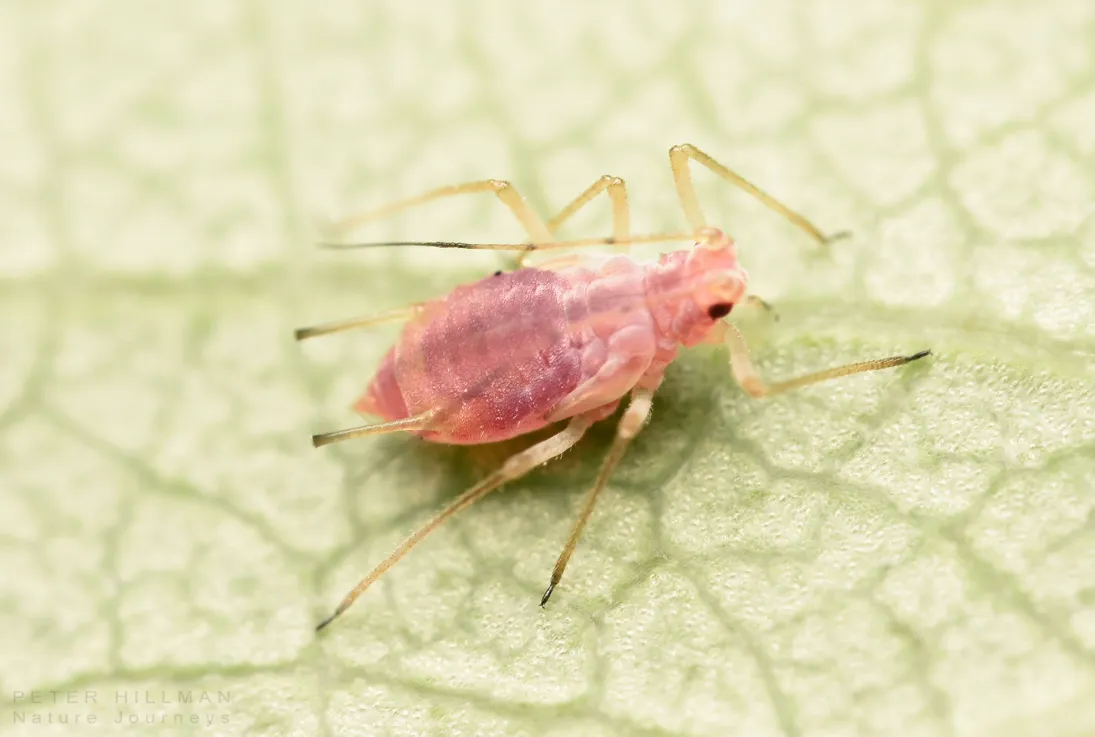
Aphids may be green, black, brown, yellow, pink, gray, or almost white. Some species, such as woolly aphids, are covered with waxy white filaments that give them a cottony or linty appearance. Although many aphids are considered plant pests, they are also part of the natural food web because lady beetles, lacewings, hoverfly larvae, parasitic wasps, and birds feed on them.
Q: What are aphids?
A: Aphids are small sap-feeding insects that use piercing-sucking mouthparts to feed on plant fluids.
Q: What do aphids look like?
A: They usually look like tiny pear-shaped insects with soft bodies, long antennae, and two small tube-like structures called cornicles near the rear of the body.
Q: How fast do aphids reproduce?
A: In warm weather, some aphids can mature within about a week, and adult females may give birth to many live nymphs during their reproductive period.
Quick Life Cycle Table
| Life Cycle Part | What Happens | Common Duration |
| Egg Stage | Eggs survive cold seasons on host plants, bark, stems, or buds. | Often through winter |
| Nymph Stage | Young aphids hatch or are born alive and feed immediately on plant sap. | About 1 week or more, depending on the temperature |
| Wingless Adult Stage | Adults reproduce rapidly, often without mating in warm seasons. | Around 20–40 days in many species |
| Winged Adult Stage | Crowded or stressed colonies produce winged aphids that spread to new plants. | Seasonal or stress-triggered |
| Sexual Generation | Some species produce males and females in autumn; females lay overwintering eggs. | Usually late season |

Important Things That You Need To Know
Understanding the aphid’s life cycle helps gardeners, farmers, and plant lovers manage infestations without harming the wider ecosystem. When people search for how to get rid of aphids, they often look only for quick sprays. However, the better approach is to understand where aphids are in their life cycle and what natural controls already exist.
Aphids often gather on soft new shoots, the undersides of leaves, flower buds, and tender stems. Black aphids may appear on beans, ornamental plants, and young shoots, while white aphids or pale aphids may be confused with mealybugs or whiteflies. Woolly aphids are easier to recognize because of their white, fluffy, wax-like covering.
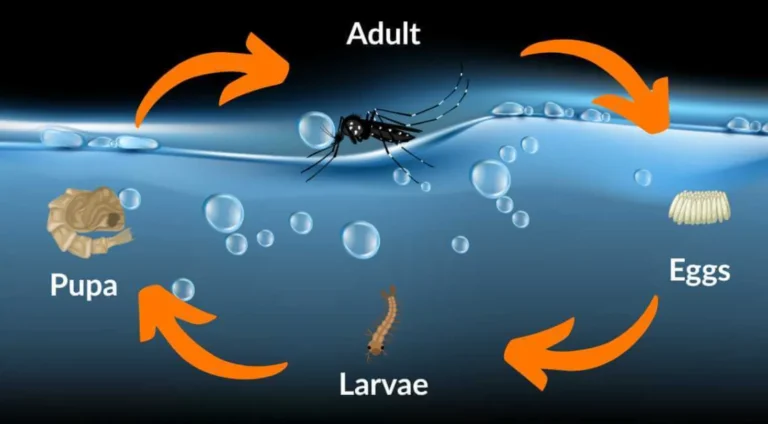
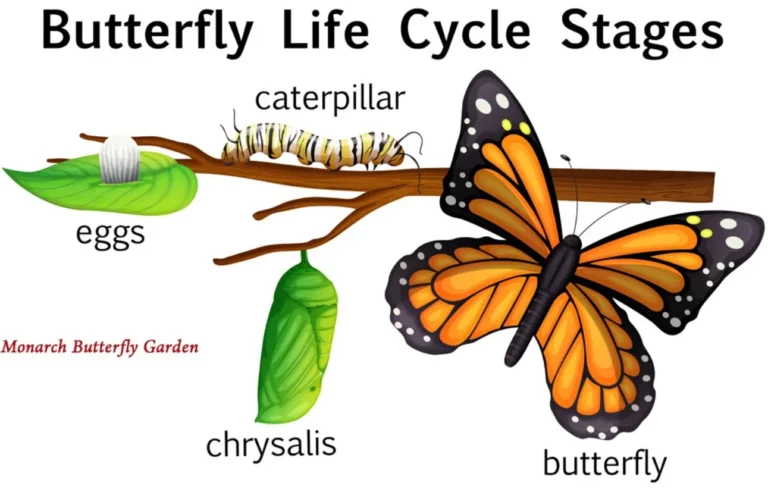
A key point is that aphids lack a pupal stage. Unlike butterflies, they do not pass through a caterpillar and chrysalis stage. Instead, they develop through several nymphal molts before becoming adults. UC IPM notes that young aphids molt about four times before reaching adulthood.
Another important fact is that not all aphids are equally harmful. Some populations remain small and are naturally controlled by predators. Problems usually become serious when plants are stressed, natural enemies are absent, or aphids transmit plant viruses. Good plant care, monitoring, biological control, and selective treatment can reduce aphid populations without harming beneficial insects.
The History of Their Scientific Naming, Evolution, and Origin
Scientific Naming of Aphids
The common name aphid refers to many species of sap-feeding insects in the family Aphididae. They are also known as plant lice, greenfly, or blackfly, although “blackfly” can also refer to a different insect group. Their scientific classification places them in the order Hemiptera, which includes true bugs and other piercing-sucking insects.
Evolutionary Background
Aphids are ancient insects with a long evolutionary relationship with plants. Their success is strongly connected to their ability to feed on plant sap, reproduce quickly, and adapt to different host plants. Modern aphids are especially diverse in temperate regions, and many species are closely linked with specific plant families. Wisconsin Horticulture notes that there are about 5,000 aphid species worldwide, with roughly 1,350 species in North America.
Origin and Plant Association
Aphids evolved as plant-feeding insects and became highly specialized in using plant phloem sap as a food source. Some aphids remain on one host plant, while others move between a primary woody host and a secondary herbaceous host during the year. This host alternation helps them survive seasonal changes and exploit different food sources.
Their Reproductive Process, Giving Birth And Rising Their Children
Asexual Reproduction in Warm Seasons
One of the most important features of the aphid’s life cycle is parthenogenesis, a form of reproduction in which females produce offspring without mating. During spring and summer, many aphid colonies consist mostly or entirely of females. These females can give birth to live nymphs rather than lay eggs.
This system allows aphid populations to increase extremely fast. In favorable weather, nymphs begin feeding almost immediately and can mature quickly. Some adult females can reproduce for 20–30 days and produce dozens of nymphs during that time.
Live Birth and “Born Pregnant” Nymphs
Aphids are famous for a reproductive strategy called telescoping generations. This means a female aphid may carry developing daughters inside her body, and those daughters may already contain early embryos. In simple words, aphids can be “born pregnant,” which explains why colonies can explode in number within a short period.
Sexual Reproduction and Egg Laying
In temperate climates, many aphid species switch to sexual reproduction in autumn. Males and females mate, and females lay eggs that survive winter. These eggs hatch in spring and start the next generation. However, in mild climates, greenhouses, and protected environments, some aphids may continue reproducing asexually for long periods.
Do Aphids Raise Their Young?
Aphids do not “raise” their young like mammals or birds. Once nymphs are born or hatch, they begin feeding on plant sap by themselves. However, aphids often stay in colonies, and some are protected by ants that collect their honeydew. This ant-aphid relationship can indirectly protect young aphids from predators.
Stages of Aphids Life Cycle
1. Egg Stage
The egg stage is most common in aphids that live in temperate regions with cold winters. Eggs are usually laid on woody host plants, bark, stems, buds, or protected plant parts. These eggs are built to survive unfavorable weather.
When spring arrives and temperatures rise, the eggs hatch into female nymphs. These first females are sometimes called stem mothers or fundatrices. Their role is to begin the new seasonal colony.
2. Nymph Stage
The nymph stage begins when aphids hatch from eggs or are born alive from adult females. Nymphs look like small adults but are usually lighter, smaller, and less developed.
They feed on plant sap immediately using piercing-sucking mouthparts. As they grow, they shed their outer skin several times. Aphids do not have a caterpillar-like larval stage or a pupal stage. Instead, they pass through nymphal instars before becoming adults. UC IPM explains that nymphs molt about four times before adulthood.
3. Wingless Adult Stage
The wingless adult stage is the main stage for colony building. These adults stay on the host plant and reproduce rapidly when the plant is soft, nutritious, and suitable for them.
Wingless females are efficient at feeding and producing young. This is why a small group of aphids on a plant can become a dense colony within days or weeks. Most visible garden infestations are made up mainly of wingless adults and nymphs.
4. Winged Adult and Sexual Stage
When aphid colonies become crowded, host quality declines, or environmental conditions change, some aphids develop wings. These winged aphids fly or drift to new plants and start new colonies.
In autumn, some species produce sexual males and females. After mating, females lay eggs that overwinter. This final stage helps aphids survive seasonal stress and return when conditions improve.
Their main diet, food sources, and collection process are explained
Main Diet of Aphids
Aphids’ main diet is plant sap, especially phloem sap. Phloem is the plant tissue that transports sugars and nutrients. Aphids use needle-like mouthparts called stylets to pierce plant tissue and draw out fluid.
Because plant sap is rich in sugar but relatively low in some nutrients, aphids must process a large amount of fluid. The extra sugar is excreted as honeydew, a sticky liquid that can cover leaves, stems, and nearby surfaces.
Common Food Sources
Aphids feed on a wide range of plants, including vegetables, fruit trees, grains, ornamental flowers, shrubs, weeds, greenhouse crops, and houseplants. Some aphids are host-specific, while others feed on many plant types.
Common feeding sites include:
- Tender new shoots
- Young leaves
- Flower buds
- Undersides of leaves
- Soft green stems
- Growing tips
- Roots in some species
How Aphids Collect Food
Aphids do not chew leaves. Instead, they insert their stylets into plant tissue and suck sap. This feeding can weaken young plants, curl leaves, distort shoots, and reduce plant vigor. Some aphids also transmit plant viruses, which can be more damaging than direct feeding injury. RHS and Colorado State Extension both identify sap feeding, honeydew, sooty mold, and plant virus transmission as important aphid-related problems.

How Long Do Aphids Live
The lifespan of aphids depends on species, temperature, host plant quality, predators, season, and whether the aphid is winged or wingless. In many common species, adults may live for a few weeks, but the population can persist much longer because generations overlap.
- Average adult lifespan: Many aphids live around 20–40 days, though this varies by species and environment.
- Reproductive period: A female may reproduce for about 20–30 days in suitable conditions and can give birth to many live nymphs.
- Nymph development time: In warm temperatures, nymphs can mature quickly, sometimes in about a week; cooler temperatures slow development.
- Seasonal survival: In cold regions, many aphids survive winter as eggs rather than active adults.
- Greenhouse survival: In warm indoor or greenhouse environments, aphids may continue reproducing without a winter egg stage.
- Predator pressure: Lady beetles, lacewings, hoverfly larvae, parasitic wasps, and other natural enemies can greatly reduce aphid survival.
- Plant quality: Soft, nitrogen-rich, fast-growing plant tissue often supports faster aphid growth. Stressed plants may also become vulnerable, especially when natural predators are absent.
- Winged vs. wingless lifespan: Winged aphids may invest more energy in movement and colonization, while wingless aphids are often stronger colony builders on a single host plant.
- Population lifespan: Even if individual aphids live for only a few weeks, a colony can survive for months through continuous reproduction and overlapping generations.
- Egg survival: Overwintering eggs can remain dormant through the cold season and hatch when conditions become favorable.
The key point is that aphids do not need long individual lives to become successful. Their real strength is rapid reproduction, short generation time, and the ability to produce both wingless colony builders and winged dispersers.
Aphids Lifespan in the Wild vs. in Captivity
Aphids Lifespan in the Wild
In the wild, aphids face many survival challenges. They are exposed to rain, heat, cold, plant defenses, predators, parasites, fungal diseases, and competition. Many individual aphids are eaten before completing their full lifespan.
However, wild aphid colonies can still grow quickly when the weather is mild, the host plants are soft, and predators are limited. In outdoor gardens and fields, the population may rise suddenly in spring or early summer, then decline as natural enemies increase.
Aphids Lifespan in Captivity or Controlled Conditions
Aphids are not usually kept as pets, so “captivity” typically refers to laboratory, greenhouse, indoor plant, or controlled rearing conditions. In these environments, temperature, humidity, host plant quality, and predator exposure can be managed.
Under protected conditions, aphids may live longer and reproduce more consistently because they face fewer predators and fewer weather shocks. This is why aphids can become serious pests in greenhouses, where warm temperatures and tender plants allow continuous reproduction. UC IPM notes that in mild climates, aphids can reproduce asexually for most or all of the year.
Importance of Aphids in this Ecosystem
Food Source for Beneficial Insects
Although aphids are often viewed as pests, they are an important food source for many beneficial organisms. Lady beetles, lacewing larvae, hoverfly larvae, parasitic wasps, and predatory midges feed on aphids. These predators help regulate aphid populations naturally.
Role in Food Chains
Aphids support food chains in gardens, farms, forests, and wild habitats. When aphids appear, they attract predators and parasitoids. This helps maintain biological balance and supports Biodiversity.
Plant Health Indicator
Aphid outbreaks often signal that plants are under stress or growing with soft, nutrient-rich tissue. Their presence can help gardeners notice issues such as over-fertilization, weak plant growth, poor air movement, or a lack of natural enemies.
Ecological Interactions with Ants
Many ants collect aphid honeydew and protect aphids from predators. This relationship is not always beneficial to plants, but it is ecologically interesting because it shows how insects can form mutualistic relationships for food and protection. UC resources note that ants may protect honeydew-producing insects and reduce the effectiveness of natural enemies.
What to do to protect them in nature and save the system for the future
1. Protect Natural Predators
- Avoid unnecessary broad-spectrum insecticides.
- Encourage lady beetles, lacewings, hoverflies, and parasitic wasps.
- Grow diverse flowering plants that provide nectar and shelter for beneficial insects.
2. Use Balanced Pest Management
- Do not try to destroy every aphid immediately.
- Small aphid colonies can support natural enemies.
- Use water sprays, pruning, or insecticidal soap only when populations become damaging. UC IPM recommends strong water sprays on sturdy plants and selective options when aphid numbers are high.
3. Maintain Healthy Plants
- Water plants properly.
- Avoid excessive nitrogen fertilizer.
- Remove heavily infested shoots when needed.
- Healthy plants tolerate minor aphid feeding better than stressed plants.
4. Reduce Ant Protection
- Manage ants when they are protecting aphids for honeydew.
- Use barriers or cultural methods where practical.
- Once ants are reduced, natural enemies can control aphids more effectively.
5. Support Biodiversity
- Plant mixed vegetation instead of monocultures.
- Keep some natural habitat near gardens or farms.
- Avoid removing every insect, because a balanced ecosystem needs prey and predators.

Fun & Interesting Facts About Aphids
- Aphids can reproduce without mating, especially during spring and summer.
- Some aphids give birth to live young instead of laying eggs.
- Many aphids are effectively born pregnant because of telescoping generations.
- Woolly aphids look white and fluffy because they produce waxy filaments.
- Black, green, white, and yellow aphids may all belong to different species.
- Aphids do not have a pupal stage.
- Some aphids grow wings when the colony becomes crowded or the host plant becomes unsuitable.
- Ants may “farm” aphids by protecting them and collecting their honeydew.
- Aphid honeydew can lead to sooty mold, a black fungal growth on plant surfaces.
- Aphids are small, but some species can transmit plant viruses.
- Not all aphids are serious pests; many remain part of the natural food web.
- Aphids are important prey for lady beetles, lacewings, hoverflies, and parasitic wasps.
Frequently Asked Questions (FAQs)
Q: What are aphids?
A: Aphids are small, soft-bodied insects that feed on plant sap using piercing-sucking mouthparts. They are common on vegetables, flowers, fruit trees, shrubs, and indoor plants.
Q: What do aphids look like?
A: Aphids usually look like tiny pear-shaped insects. They may be green, black, yellow, brown, gray, pink, or white. Many have long antennae and two small rear tubes called cornicles.
Q: How do aphids reproduce so fast?
A: Many aphids reproduce by parthenogenesis, meaning females can produce young without mating. In warm weather, they often give birth to live nymphs that mature quickly.
Q: How to get rid of aphids naturally?
A: You can remove aphids with a strong stream of water, prune badly infested shoots, protect natural predators, reduce ant activity, and use insecticidal soap when needed. Avoid harsh chemicals unless necessary.
Q: Are white aphids the same as woolly aphids?
A: Not always. Some pale aphids may look white, but woolly aphids have a waxy, cotton-like coating. They can be confused with mealybugs, so close inspection is important.
Conclusion
The aphid’s life cycle is one of the most fascinating and fast-moving in the insect world. Aphids can survive as winter eggs, hatch into nymphs, mature into adults, reproduce without mating, and produce winged forms when they need to spread. Their ability to multiply quickly makes them a serious concern for gardeners and farmers, especially when they feed on tender plant growth or transmit plant viruses.
At the same time, aphids are not only pests. They are part of the ecosystem, feeding many beneficial insects and helping support natural food chains. The best way to manage aphids is not simply to destroy them, but to understand their biology, protect natural predators, maintain healthy plants, and use balanced pest-control methods. With the right approach, aphid problems can be controlled while maintaining a strong, diverse, and sustainable garden or farm ecosystem.
Also Read: life cycle of a dog
About the Author