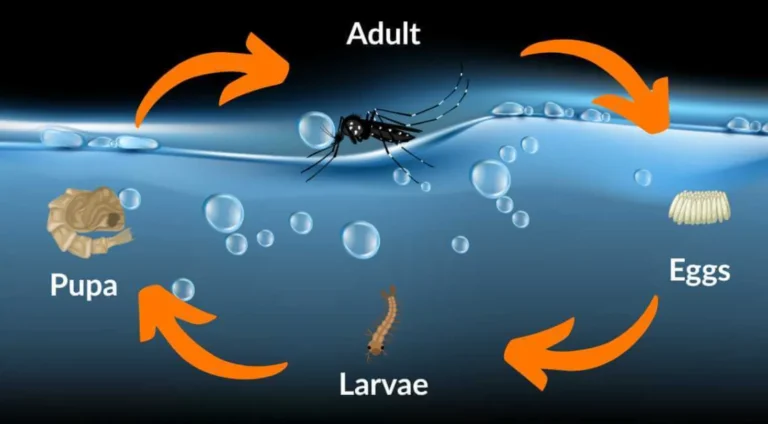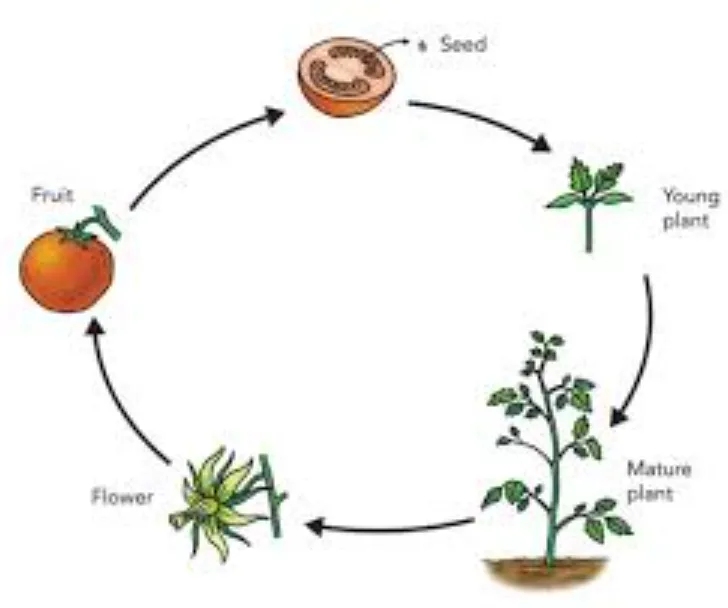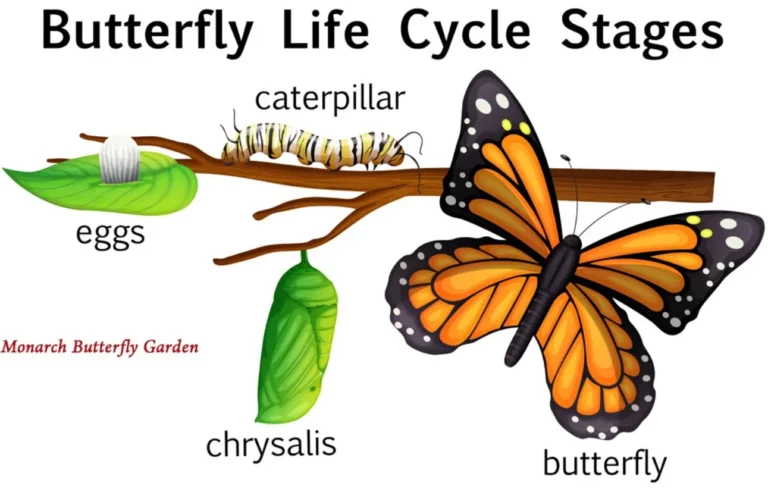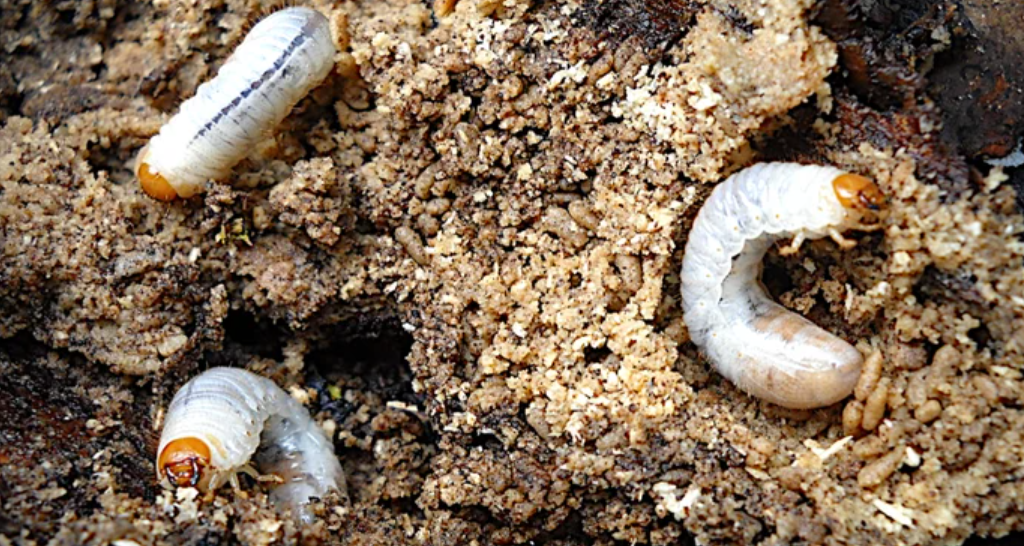
The life cycle of a beetle is one of the most interesting growth processes in the insect world. Beetles do not grow like humans, birds, or mammals. Instead, they undergo complete metamorphosis, meaning their bodies change fully from one stage to another: egg, larva, pupa, and adult beetle. This process helps beetles survive in many different places, from forests and farms to gardens, ponds, stored food areas, and even dry landscapes.
Beetles belong to the insect order Coleoptera, the largest order of insects known today. More than 400,000 beetle species have been described, and scientists still discover new ones. They are recognized by their hard front wings, called elytra, which protect their softer flight wings and bodies.
Beetles can be helpful, harmful, or simply part of the natural balance. Some beetles pollinate flowers, break down dead wood, recycle dung, and control pest insects. Others, such as the Japanese beetle, can damage plants and crops. Understanding the beetle life cycle helps gardeners, students, farmers, and nature lovers know how these insects live and why they matter.
Q: What are the four stages in the life cycle of a beetle?
A: The four stages are egg, larva, pupa, and adult beetle.
Q: How long does a beetle’s life cycle take?
A: It depends on the species. Some beetles complete their life cycle in a few weeks, while wood-boring beetles and some scarab beetles may take years.
Q: Is a beetle larva the same as an adult beetle?
A: No. A beetle larva often looks like a worm or grub, while the adult has legs, antennae, hard wing covers, and a stronger body structure.
Quick Life Cycle Table
| Stage | What Happens | Common Look | Main Purpose |
| Egg | Female beetle lays eggs in soil, leaves, wood, dung, food, or protected spaces. | Tiny, oval, pale eggs | Start of a new life |
| Larva | Eggs hatch into feeding larvae or grubs | Worm-like, soft body | Eat, grow, and store energy |
| Pupa | Larva stops feeding and changes into a protective form | Resting stage, often pale | The body transforms into an adult |
| Adult Beetle | Fully formed beetle emerges | Hard body with elytra | Reproduce, spread, and survive |
Beetles are insects with complete metamorphosis, so their larval and adult stages often look very different. This gives them a survival advantage because larvae and adults may use different foods and habitats, reducing direct competition within the same species.

The History of Their Scientific Naming
The scientific order name for beetles is Coleoptera. This name comes from Greek roots: koleos, meaning sheath, and ptera, meaning wings. The name refers to the beetle’s hardened front wings, called elytra, which cover and protect the softer hind wings used for flying.
The term Coleoptera was used because beetles have a distinctive body design that sets them apart from many other insects. Their wing covers meet in a straight line down the back, forming a shield-like structure. This is one reason beetles are so successful in nature.
The common English word “beetle” predates modern scientific classification. It is linked to the old word “little biter,” which fits many beetles because they have chewing mouthparts.
Scientific naming helps people identify beetles clearly. For example, the stag beetle, Japanese beetle, lady beetle, and Asian lady beetle are common names. Still, scientific names are more precise because common names can vary by country or region.
Their Evolution And Their Origin
Beetles are an ancient group of insects with a very long evolutionary history. Fossil evidence shows that early beetles appeared hundreds of millions of years ago, with major beetle lineages already present by the Permian period. Their hard wing covers, chewing mouthparts, and ability to live in many habitats helped them survive major environmental changes.
One of the biggest reasons for beetle success is their body structure. The elytra protect the wings and abdomen, allowing beetles to crawl under bark, burrow into soil, hide in plant material, and survive harsh conditions better than many other, softer-bodied insects. This protection likely helped beetles spread into many ecological niches.
Another reason is their feeding diversity. Some beetles eat leaves, roots, pollen, nectar, fungi, dung, dead animals, other insects, or stored grains. This wide range of diets allowed beetles to adapt to forests, grasslands, farms, wetlands, caves, and human environments.
Beetles also benefited from the rise of plants, especially flowering plants. Many beetle groups developed close relationships with plants as feeders, pollinators, or decomposers. Today, beetles are found in most terrestrial and freshwater habitats, although they are much less common in true marine environments.
Their evolution shows a simple but powerful truth: beetles survived because they are adaptable. Their life cycle, protective body, and feeding flexibility made them one of the most successful animal groups on Earth.
Important Things That You Need To Know
When people search for the life cycle of a beetle, they often also see related terms like beetle, blue beetle, Volkswagen Beetle, Japanese beetle, Asian lady beetle, and stag beetle. Some of these are biological terms, while others are cultural or commercial terms.
The word beetle usually means an insect from the order Coleoptera. A Japanese beetle is a real plant-feeding beetle known for damaging leaves, flowers, and crops. An Asian lady beetle is a real beetle and is related to ladybugs. These beetles can be useful because they eat aphids, but they may also become a nuisance when they gather inside homes.
A stag beetle is famous for its large jaw-like mandibles, especially in males. These mandibles are often used in competition with other males. Stag beetle larvae usually develop in decaying wood, which makes them important in forest recycling.
The term “blue beetle” can refer to blue-colored beetles in nature, but it is also widely used in entertainment and popular culture. The Volkswagen Beetle, on the other hand, is a car named after its rounded body shape. It is not connected to the biological life cycle of insects.
So, when learning about beetles, it is important to separate real insect biology from brand names, movie names, and pop-culture terms.
Their main food and its collection process
Beetles have one of the most diverse diets among insects. Their food depends strongly on species, habitat, and life stage. In many species, the larva and adult beetle eat different foods, which helps reduce competition between young and adult beetles.
Important beetle food sources include:
- Leaves and flowers: Leaf beetles and Japanese beetles feed on plant leaves, petals, and soft plant tissue.
- Roots: Some scarab beetle larvae live underground and feed on grass roots or crop roots.
- Wood and bark: Wood-boring beetles feed inside dead, weak, or living trees.
- Dung: Dung beetles collect animal waste and use it as food for themselves and their larvae.
- Dead animals: Carrion beetles and burying beetles use dead animals as food and breeding sites.
- Fungi: Some beetles feed on fungi, mold, or fungus-growing material.
- Other insects: Predatory beetles, such as lady beetles and ground beetles, eat aphids, caterpillars, mites, and other small insects.
The food collection process is not the same for all beetles. Dung beetles may roll, bury, or tunnel dung into the soil. Lady beetles search plants for aphids and soft-bodied pests. Wood-boring larvae feed inside tree material, while adults may search for mates and suitable egg-laying places.
This variety of feeding habits makes beetles highly adaptable. It also explains why some beetles are considered beneficial while others are treated as crop or storage pests.

Their life cycle and ability to survive in nature
Egg Stage: A Protected Beginning
The beetle life cycle begins when a female lays eggs in a suitable place. This may be soil, wood, leaves, dung, stored grain, fruit, or under bark. The female chooses a place where the young larvae can find food quickly after hatching.
Eggs are usually small, soft, and hidden from predators. In some species, eggs hatch within days. In others, development takes longer depending on temperature, moisture, and food availability.
Larva Stage: The Main Feeding Stage
The larva is usually the most active feeding stage. Beetle larvae may look like grubs, worms, or small segmented creatures. They eat heavily and grow through several molts, called instars.
This stage is very important because the larva stores energy for the future adult body. Many beetle pests cause the most damage during the larval stage, especially root-feeding grubs and wood-boring larvae.
Pupa Stage: The Transformation Stage
After enough feeding, the larva enters the pupa stage. During this stage, it does not feed. Instead, its body reorganizes into an adult beetle.
The pupa may be hidden in soil, inside wood, under leaves, or inside a small chamber. This hidden stage protects the beetle during its most vulnerable transformation.
Adult Stage: Survival and Reproduction
The adult beetle emerges with a complete body, legs, antennae, chewing mouthparts, and hardened wing covers called elytra. Adults search for food, mates, and egg-laying sites.
Beetles survive in nature because of their protective body, flexible diet, complete metamorphosis, and ability to use many habitats. Some fly well, some dig, some swim, and some hide under bark or soil.
Their Reproductive Process and raising their children
Beetle reproduction usually begins when adult males and females find each other through scent, movement, sound, or visual signals. After mating, the female lays eggs in a place that gives the larvae the best chance of survival.
Common steps in beetle reproduction include:
- Mate finding: Males and females locate each other through chemical signals (pheromones), body movements, or habitat clues.
- Mating: The male transfers sperm to the female.
- Egg laying: The female lays eggs near food sources such as soil roots, dung, leaves, decaying wood, grain, or carrion.
- Larval development: Eggs hatch into larvae, and the larvae begin feeding.
- Pupation: Mature larvae change into pupae.
- Adult emergence: Adults come out, harden their bodies, and continue the cycle.
Most beetles do not raise their young in the way birds or mammals do. However, some species show impressive parental care. Burying beetles, for example, prepare small animal carcasses for their larvae and may feed and protect the young. Research shows parental care in burying beetles can involve both male and female behavior, including guarding, provisioning, and maintaining the brood area.
Some bess beetles also show family-like behavior by living in wood and helping larvae feed on softened material. These examples show that beetle reproduction is more complex than many people think.
The importance of them in this Ecosystem
Beetles Help Decomposition
Beetles are important decomposers. Many species break down dead wood, fallen leaves, dung, fungi, and dead animals. This process returns nutrients to the soil and supports plant growth. The Smithsonian notes that beetles are especially valuable as decomposers in forests.
Without decomposer beetles, dead organic matter would accumulate more slowly, and nutrient cycling would weaken.
Beetles Control Pest Insects
Many beetles are natural predators. Lady beetles eat aphids, scales, mealybugs, and mites. Ground beetles may eat caterpillars, fly larvae, and other small pests. This makes some beetles very useful in gardens, farms, and natural pest management.
Beetles Support Soil Health
Dung beetles and soil-dwelling beetles improve soil structure by digging, burying waste, and moving organic matter underground. Their activity helps air and water enter the soil.
Beetles Support Food Webs
Beetles are food for birds, reptiles, amphibians, fish, spiders, and mammals. Their larvae and adults provide energy for many animals.
Beetles Can Also Become Pests
Not all beetles are beneficial to humans: some damage crops, stored food, wood, and ornamental plants. Still, even pest beetles are part of larger food webs and ecological systems.
What to do to protect them in nature and save the system for the future
Protecting beetles means protecting biodiversity, soil health, forests, gardens, and food webs. Since beetles live in many habitats, small changes in daily life can help them survive.
- Reduce unnecessary pesticide use: Broad chemical sprays can kill helpful beetles along with pests.
- Keep native plants in gardens: Native plants support local beetles, pollinators, and other insects.
- Leave some dead wood safely in natural areas: Many beetle larvae need rotting logs, bark, and decaying branches.
- Protect soil health: Avoid over-digging, soil pollution, and heavy chemical use.
- Create beetle-friendly garden corners: Leaf litter, stones, logs, and plant diversity provide shelter.
- Avoid removing all fallen leaves: Leaf litter protects small beetles and larvae.
- Support organic and low-chemical farming: Research continues to show that farming practices influence beetle communities and beneficial insect diversity.
- Protect wetlands and freshwater edges: Some beetles live in or near water.
- Teach children about beetles: Awareness helps reduce fear and encourages conservation.
- Control invasive beetles carefully: Some non-native beetles can harm crops or native species, so management should be informed and balanced.
Saving beetles does not mean allowing harmful pests to spread freely. It means protecting useful native beetles while responsibly managing damaging species.

Frequently Asked Questions (FAQs)
Q1: What is the life cycle of a beetle?
A: The life cycle of a beetle has four stages: egg, larva, pupa, and adult beetle. This is called complete metamorphosis.
Q2: What is a beetle larva called?
A: A beetle larva is often called a grub, especially in scarab beetles. Some larvae may also look like worms, such as mealworms.
Q3: How long does a beetle stay as a larva?
A: It depends on the species. Some larvae develop in weeks, while others, especially wood-boring beetles, may stay in the larval stage for years.
Q4: Do all beetles fly?
A: No. Many beetles can fly, but some have reduced wings or rarely fly at all. Their hard front wings, called elytra, protect the hind wings when present.
Q5: Are beetles harmful to plants?
A: Some are harmful. For example, Japanese beetles and some root-feeding grubs can damage plants. But many beetles are helpful predators or decomposers.
Q6: Are ladybugs beetles?
A: Yes. Ladybugs, also called lady beetles, are true beetles. They belong to the beetle order Coleoptera.
Q7: What do beetles eat?
A: Beetles may eat leaves, roots, wood, fungi, dung, dead animals, pollen, nectar, stored grains, or other insects. Their diet depends on the species.
Q8: Why are beetles important in nature?
A: Beetles help recycle nutrients, control pests, improve soil, pollinate some plants, and provide food for other animals.
Conclusion
The life cycle of a beetle is a powerful example of how nature uses transformation for survival. From a tiny egg to a hungry larva, then a quiet pupa, and finally a strong adult beetle, each stage has a clear purpose. This complete metamorphosis helps beetles live in many environments and use different food sources at different life stages.
Beetles are not just small insects crawling under leaves or flying near lights. They are decomposers, predators, soil helpers, plant feeders, pollinators, and food for many animals. Some species can damage crops or homes, but many others protect gardens and keep ecosystems balanced.
By understanding beetles, we learn more about biodiversity and the hidden systems that support life on Earth. Protecting their habitats, reducing the use of harmful chemicals, and respecting their role in nature can help keep ecosystems healthy for the future.
Also Read: turtle cycle of life
About the Author