The tomato bug life cycle is an important topic for gardeners, farmers, and anyone growing tomatoes at home. In most cases, the term “tomato bug” refers to the tomato hornworm, a large green caterpillar that feeds on tomato plants and related crops. This pest is especially known for its powerful appetite and ability to remove tomato leaves very quickly.
The tomato bug is not truly a “bug” in the strict scientific sense. It is the larval stage of a moth known as the five-spotted hawkmoth. During its caterpillar stage, it can damage tomato leaves, stems, flowers, and even young fruits. Later, it enters the soil, becomes a pupa, and finally emerges as an adult moth.
Understanding the tomato bug life cycle helps you know when to inspect your plants, identify damage early, and control the pest without harming the natural Ecosystem.
Q: What is a tomato bug?
A: A tomato bug usually means a tomato hornworm, which is a large green caterpillar that feeds on tomato plants.
Q: What does a tomato bug look like?
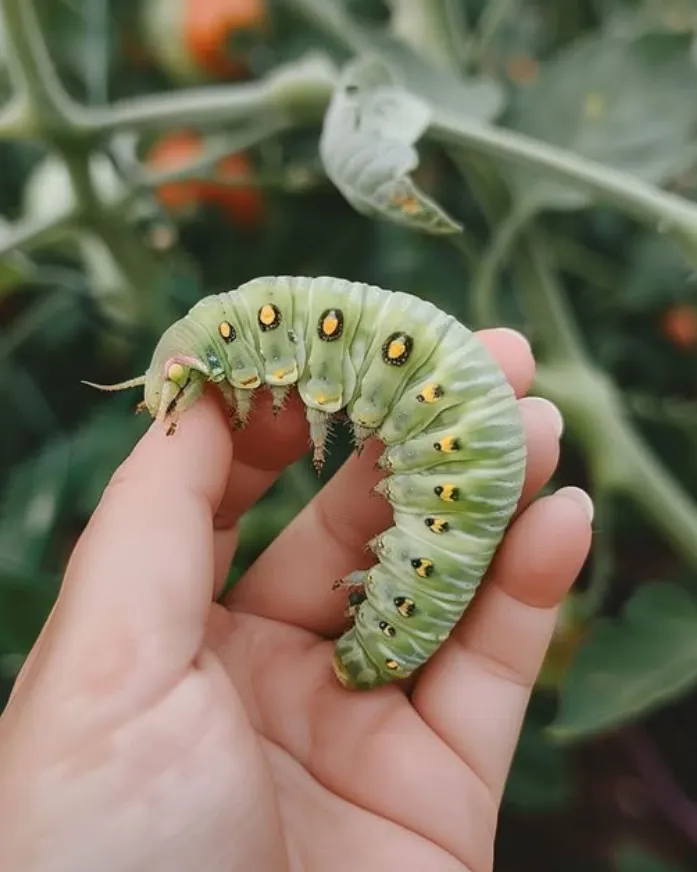
A: A tomato bug caterpillar is green, thick-bodied, and usually has white V-shaped markings on its sides with a horn-like tail.
Q: What does a tomato bug become?
A: A tomato bug becomes a tomato bug moth, also called the five-spotted hawkmoth, after completing its pupal stage in the soil.
Quick Life Cycle Table
| Life Cycle Stage | What Happens | Approximate Duration | Location | Main Importance |
| Egg | A female moth lays small eggs on tomato leaves | 5–7 days | Leaf surface | Beginning of the infestation |
| Larva / Caterpillar | The green caterpillar feeds heavily on tomato leaves | 3–4 weeks | Tomato plant | Most damaging stage |
| Pupa | Mature caterpillar drops into the soil and transforms | 2 weeks or longer | Underground | Transformation stage |
| Adult Moth | Moth emerges, mates, and lays eggs | Varies by climate | Garden and nearby areas | Reproduction stage |
| Overwintering | Pupae survive cold weather in the soil | Winter season | Soil | Helps the next generation survive |
The tomato bug life cycle can repeat itself multiple times in warm regions. In cooler areas, the insect may complete one main generation each season, while in warmer climates it may produce multiple generations.

The History of Their Scientific Naming
The common tomato bug, scientifically known as Manduca quinquemaculata, is also called the tomato hornworm. Its adult stage is called the five-spotted hawkmoth. The scientific name helps separate it from other similar caterpillars that may also attack tomato plants.
Important naming points include:
- Manduca is the genus name and includes several large hawkmoth species.
- Quinquemaculata means “five-spotted,” referring to markings on the adult moth.
- The larval stage is commonly called the tomato hornworm.
- The adult stage is commonly called the five-spotted hawkmoth.
- It belongs to the family Sphingidae, which includes sphinx moths and hawkmoths.
- A closely related species is the tobacco hornworm, Manduca sexta.
Many people confuse the tomato hornworm with the tobacco hornworm because both are large green caterpillars. However, the tomato hornworm usually has white V-shaped side markings and a darker horn, while the tobacco hornworm often has diagonal white stripes and a red horn.
Their Evolution And Their Origin
The tomato bug, or tomato hornworm, belongs to the insect order Lepidoptera, which includes moths and butterflies. Its adult form, the five-spotted hawkmoth, is part of the family Sphingidae. This family is known for strong flight, large bodies, and long feeding tubes used to drink nectar from flowers.
The evolutionary history of the tomato bug is closely connected with plants in the Solanaceae family. This plant family includes tomato, potato, pepper, eggplant, and tobacco. Many of these plants contain natural chemical defenses, yet hornworms have adapted to feed on them successfully.
This adaptation gives the tomato bug an advantage because it can use food sources that many other insects avoid. Its green body helps it blend with tomato leaves, making it difficult for birds and gardeners to notice. Its rapid growth allows it to eat large amounts of plant material within a short time.
Another important evolutionary feature is its underground pupal stage. When the caterpillar is fully grown, it leaves the plant and burrows into the soil. This protects it from sunlight, weather, and some predators while it transforms into a moth.
In places like California, tomato hornworms are common in gardens and other tomato-growing regions. They survive well where tomato and other nightshade crops are widely grown. Their success comes from camouflage, quick feeding, soil pupation, and the adult moth’s ability to fly and locate host plants.
Their main food and its collection process
The main food of the tomato bug caterpillar is tomato plant tissue. It feeds on leaves, tender stems, flowers, and sometimes developing fruit. Although the tomato is the most common host, this insect can also feed on other nightshade crops such as pepper, eggplant, potato, and tobacco.
The food collection process starts before the caterpillar even hatches. The female moth lays eggs on or near suitable host plants. When the young larvae hatch, they do not need to search far for food. They begin eating the plant almost immediately.
The feeding process usually happens in stages:
- Egg placement near food: The female moth lays eggs on tomato leaves so the young larvae can begin feeding quickly.
- Early leaf feeding: Small caterpillars chew tiny holes in leaves, which may be hard to notice at first.
- Rapid growth: As the caterpillar grows, it eats more aggressively and removes larger portions of leaves.
- Camouflaged feeding: Its green colour allows it to hide among leaves while feeding.
- Upper plant damage: Tomato bugs often feed near the top of tomato plants where tender growth is found.
- Fruit damage: Older caterpillars may chew green tomatoes or damage fruit surfaces.
- Dropping signs: Dark droppings under tomato plants are often a clear sign of hornworm activity.
The adult tomato bug moth does not eat tomato leaves. Instead, it feeds on nectar from flowers. This difference is important because the caterpillar stage is harmful to crops, while the adult moth plays a more natural role in the environment.

Important Things That You Need To Know
The tomato bug life cycle is connected with several important search terms that gardeners often use. These terms help identify the pest, understand its damage, and choose the right control method.
The term “tomato bug” usually refers to the tomato hornworm, but some gardeners may use it for other tomato pests as well. The most common and important one is the tomato bug caterpillar, a large green larval stage that eats tomato plants. This caterpillar later becomes the tomato bug moth, also known as the five-spotted hawkmoth.
Many people search for what a tomato bug looks like because this pest is difficult to spot. It blends perfectly with tomato leaves. A full-grown caterpillar is green, thick, soft-bodied, and has pale side markings. It also has a horn-like projection at the rear, but this horn is not dangerous to humans.
The phrase “tomato bug worm” usually refers to the same caterpillar. Although people call it a worm, it is scientifically a caterpillar. Another common term is tomato bug spray. For small gardens, handpicking is often the safest and most effective method. If spraying is necessary, gardeners should choose targeted caterpillar products.
The keyword “tomato bug California” is also useful because tomato hornworms can appear in warm regions where tomatoes are widely grown. In such areas, natural enemies like parasitic wasps, birds, and predatory insects often help reduce hornworm populations.
Their life cycle and ability to survive in nature
Egg Stage
The tomato bug life cycle begins when an adult female moth lays eggs on tomato leaves or other nightshade plants. These eggs are usually small, round, and pale green. They are often laid singly rather than in large groups.
This egg-laying habit spreads the risk. If one leaf is damaged or discovered by predators, other eggs may still survive on nearby plants.
Caterpillar Stage
After hatching, the tomato bug caterpillar begins feeding immediately. This is the most damaging stage. Young caterpillars start with small bites, but they grow quickly and soon consume large amounts of foliage.
The green colour of the caterpillar helps it hide among tomato leaves. This camouflage allows it to survive longer and feed without being easily seen.
Pupal Stage
When the caterpillar becomes fully grown, it leaves the plant and drops to the ground. It then burrows into the soil and forms a pupa. Inside the pupa, the insect changes from a leaf-eating caterpillar into a flying moth.
This underground stage protects it from many dangers, including birds, direct sunlight, and weather changes.
Adult Moth Stage
The adult tomato bug moth emerges from the soil. It flies, mates, drinks nectar, and lays eggs on suitable host plants. In warm climates, this cycle may happen more than once in a growing season.
The ability to survive in soil as a pupa is one of the key reasons tomato bugs can return year after year.
Their Reproductive Process and raising their children
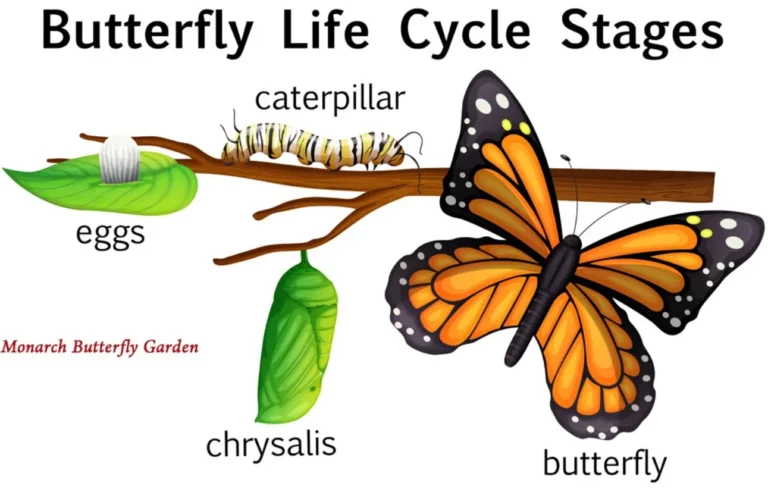
The reproductive process of the tomato bug follows complete metamorphosis. This means it passes through four clear stages: egg, larva, pupa, and adult moth. Each stage has a different shape, function, and survival strategy.
Important points about reproduction include:
- Adult moth emergence: The adult moth comes out of the soil after completing pupation.
- Mating: Male and female moths mate after emergence.
- Host plant selection: The female searches for tomato or related plants.
- Egg laying: Eggs are placed on leaves where young larvae can easily find food.
- No direct parental care: The adult moth neither feeds nor protects its young.
- Survival by placement: The female’s main role is choosing the right plant for egg laying.
- Immediate feeding: Newly hatched larvae begin feeding on plant tissue immediately.
- Fast growth: Caterpillars grow rapidly to complete their vulnerable stage.
- Soil pupation: Mature caterpillars move underground to transform safely.
The phrase “raising their children” works differently for insects. Tomato bugs do not care for their offspring as birds or mammals do. Instead, the female moth gives her young the best chance of survival by laying eggs on the correct host plant.
Once the eggs hatch, the young caterpillars live independently. Their survival depends on food availability, camouflage, growth speed, and protection from predators.
The importance of them in this Ecosystem
A Food Source for Predators
Although the tomato bug caterpillar can damage tomato plants, it is also part of the natural food chain. Birds, spiders, predatory insects, and small animals may feed on hornworms. This makes the tomato bug an important food source in garden ecosystems.
Removing every insect from a garden can reduce the food available to beneficial wildlife. A balanced garden should control pests without destroying every living organism.
Host for Parasitic Wasps
One of the most important natural controls for tomato bugs is the parasitic wasp. These tiny wasps lay eggs in or on hornworms. Their larvae feed on the caterpillar and eventually kill it.
If you see white, rice-like cocoons on a tomato hornworm, it usually means beneficial wasps are developing. Many gardeners leave these parasitized caterpillars in place because the wasps will help control future hornworms.
Adult Moth as a Nectar Feeder
The adult tomato bug moth feeds on nectar from flowers. Because it flies mostly at night or during low-light periods, it can visit flowers that daytime insects may ignore.
This means the insect is not only a pest. Its caterpillar stage damages crops, but its adult stage can contribute to flower visitation and ecological balance.
A Sign of Garden Biodiversity
The presence of tomato bugs also shows that a garden is connected to the wider natural system. Pests, predators, pollinators, and soil organisms all interact with each other.
The goal should not be to create a lifeless garden. The goal should be to keep pest numbers under control while allowing beneficial organisms to thrive.
What to do to protect them in nature and save the system for the future
A balanced approach helps protect tomato plants while also supporting the Ecosystem. Gardeners should manage tomato bugs carefully rather than relying solely on strong chemicals.
- Inspect tomato plants regularly to find caterpillars before they cause serious damage.
- Check the undersides of leaves, as eggs and small larvae may hide there.
- Look for dark droppings under plants, as these are common signs of tomato hornworms.
- Handpick large caterpillars from plants when the infestation is small.
- Leave parasitized hornworms if they have white wasp cocoons on their body.
- Avoid broad-spectrum insecticides because they can kill pollinators and beneficial insects.
- Use targeted tomato bug spray only when necessary and always follow label directions.
- Encourage birds and beneficial insects by keeping the garden diverse.
- Plant nectar-rich flowers near vegetable areas to support natural enemies.
- Rotate tomato crops each season to reduce pest buildup in the soil.
- Remove heavily damaged plant parts to reduce hiding places.
- Lightly cultivate the soil after harvest if hornworms were a major problem.
- Avoid unnecessary chemical use when natural predators are already active.
- Teach new gardeners that some insects are pests in one stage but useful in another.
- Maintain ecological balance instead of trying to remove every insect from the garden.
Protecting the garden’s future means protecting both crops and natural control systems. Healthy gardens depend on balance, not total insect removal.

Frequently Asked Questions (FAQs)
Q: What is the tomato bug life cycle?
A: The tomato bug life cycle includes four main stages: egg, caterpillar, pupa, and adult moth. The female moth lays eggs on tomato leaves. The eggs hatch into caterpillars that feed heavily on the plant. Mature caterpillars enter the soil, become pupae, and later emerge as adult moths.
Q: What does a tomato bug look like?
A: A tomato bug caterpillar is usually green, thick-bodied, and soft. It has pale markings along the sides and a horn-like projection at the rear. Because it blends with tomato leaves, it can be difficult to see until plant damage becomes clear.
Q: Is a tomato bug the same as a tomato hornworm?
A: Yes, in most garden discussions, a tomato bug means a tomato hornworm. However, some people may use the phrase to refer to other tomato pests. Proper identification is important before choosing any control method.
Q: What does a tomato bug caterpillar eat?
A: A tomato bug caterpillar mainly eats tomato leaves, stems, flowers, and sometimes fruit. It may also feed on potato, pepper, eggplant, and tobacco plants because these crops belong to the same plant family.
Q: What is the best tomato bug spray?
A: The best tomato bug spray depends on the level of infestation. In small gardens, handpicking is often enough. For young caterpillars, targeted caterpillar-control products may be used. Gardeners should avoid broad sprays that harm beneficial insects.
Q: What is a tomato bug worm?
A: A tomato bug worm usually means the tomato hornworm caterpillar. People call it a worm because it has a soft, long body, but scientifically, it is a caterpillar.
Q: What is a tomato bug moth?
A: A tomato bug moth is the adult form of the tomato hornworm. It is known as the five-spotted hawkmoth. The moth does not eat tomato leaves like the caterpillar. It mainly feeds on flower nectar and lays eggs on host plants.
Q: Are tomato bugs common in California?
A: Yes, tomato bug California searches are common because tomato hornworms can appear in warm tomato-growing areas. They may damage leaves and fruit, but natural enemies often help control their population when the garden ecosystem is healthy.
Conclusion
The tomato bug life cycle shows how one small egg can become a large caterpillar, then a pupa, and finally a flying moth. The most damaging stage is the tomato bug caterpillar, which feeds heavily on tomato leaves, stems, flowers, and fruit. However, the adult tomato bug moth plays a different role by feeding on nectar and continuing the natural cycle.
For gardeners, the best approach is early inspection, correct identification, and balanced control. Learn what a tomato bug looks like, check your plants often, remove large caterpillars by hand, and protect beneficial insects whenever possible.
A healthy garden is not completely insect-free. It is a balanced system where plants, pests, predators, pollinators, and soil life interact. By understanding the tomato bug life cycle, you can protect your tomato plants while also respecting the natural system around them.
Also Read: life cycle of a flower
About the Author