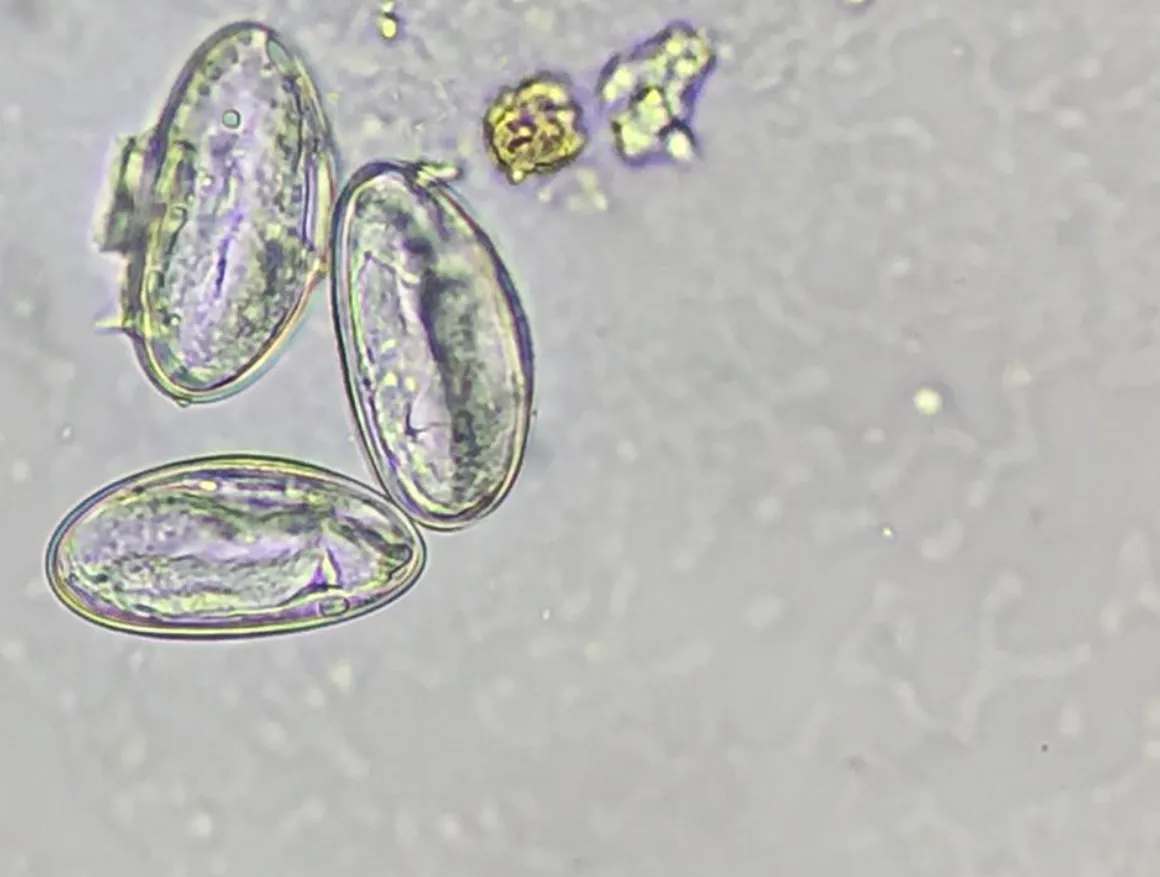
Enterobiasis, commonly known as pinworm infection, is caused by the parasitic nematode Enterobius vermicularis. This infection primarily affects children, though it can occur in individuals of all ages.
The pinworm is a small, thread-like worm that resides in the intestines, particularly the large intestine, where it lays eggs that are passed out in feces. Humans are the only host for this parasite, and it spreads through contaminated food, water, or surfaces. Pinworms can be highly contagious, especially in settings like daycare centers and schools.
Q: What is enterobiasis?
A: Enterobiasis, also known as pinworm infection, is a parasitic infection caused by the Enterobius vermicularis worm. It primarily affects the intestines of humans, leading to itching around the anus, especially at night.
Q: What are the symptoms of enterobiasis?
A: Symptoms of enterobiasis include intense itching around the anus, irritability, disturbed sleep, and sometimes abdominal pain or nausea.
Q: How is enterobiasis treated?
A: Treatment typically involves antiparasitic medications such as mebendazole, albendazole, or pyrantel pamoate. It is essential to treat all household members simultaneously to prevent reinfection.
Quick Life Cycle Table
| Stage | Description |
| Egg Stage | Pinworm eggs are laid around the anus, typically at night, and are often spread through contaminated surfaces. |
| Larvae Stage | Once ingested, the eggs hatch in the small intestine and release larvae, which mature into adult worms. |
| Adult Worm Stage | Adult worms live in the large intestine, with females migrating to the anus at night to lay eggs. |
| Eggs on Surfaces | The eggs are released into the environment, capable of surviving for several weeks, continuing the cycle. |

The History of Their Scientific Naming
The scientific name Enterobius vermicularis was first given by the Swedish scientist Carl Linnaeus in 1758. “Enterobius” is derived from the Greek words “enteron,” meaning intestine, and “bios,” meaning life, indicating the worm’s habitat.
“Vermicularis” comes from the Latin word for worm, “vermis,” which describes its small, thread-like appearance. This pinworm has been known for centuries, but its significance as a human parasite became clearer in the 19th century, as scientific methods advanced, making it easier to identify and understand its life cycle.
Their Evolution and Their Origin
The pinworm is an ancient parasite that has evolved alongside humans. It is believed that Enterobius vermicularis has infected humans for millennia, with evidence suggesting it was present in early human populations. Over time, the pinworm adapted to human biology, making humans the only known host for the parasite.
Evolutionarily, the pinworm has developed mechanisms to thrive in the human intestinal environment, particularly in the colon and rectum, areas where conditions are optimal for its survival and reproduction. Its eggs are highly resilient, capable of surviving outside the host for extended periods, which aids in transmission and makes the infection persistent in environments where hygiene is not strictly maintained.
Historically, pinworm infections were most commonly found in children, especially in crowded, unsanitary living conditions, which are ideal for the transmission of pinworm eggs. Today, even in developed countries with advanced sanitation, enterobiasis continues to be a significant health concern, particularly in schools and daycare centers where children have close contact.
Their Main Food and Its Collection Process
Pinworms are parasitic worms, meaning they do not have an external feeding mechanism. Instead, they feed by absorbing nutrients directly from the host’s intestines. The pinworm’s primary diet consists of the digested food in the host’s gastrointestinal tract, especially the small intestine. This parasitic feeding is essential for their survival and reproduction.
The pinworm’s adult female lays eggs in the anal region, which causes itching and discomfort. This itching prompts the infected person to scratch the area, contaminating their hands and surfaces. The eggs are then transmitted to the host’s mouth or to another person, thus continuing the cycle. This method of spread is highly efficient, especially in close-contact environments.
Their Life Cycle and Ability to Survive in Nature
Life Cycle Stages:
The life cycle of Enterobius vermicularis begins when the eggs are ingested, typically through contaminated hands, food, or surfaces. The eggs hatch in the small intestine, releasing larvae that mature into adult worms in the large intestine.
Female worms, which are slightly larger than the males, migrate to the anus to lay their eggs during the night, which causes the classic symptoms of itching. After laying eggs, the female dies, and the eggs are released into the environment, where they can survive for several weeks.
Survival in Nature:
Pinworms can survive outside the human body for several days in favorable conditions, particularly in moist environments. This ability to endure on surfaces contributes to the spread of the infection.
The eggs are resistant to desiccation and can remain viable for several weeks, making hygiene and sanitation critical in preventing reinfection. The lifecycle is highly effective at transmitting the parasite, as hands, clothing, bedding, and even dust particles in the air can carry the eggs.
Their Reproductive Process and Raising Their Children
Pinworms reproduce through direct transmission. After mating, the male pinworm dies, and the fertilized female migrates to the anus to deposit thousands of microscopic eggs on the skin around the anal area. This often occurs at night, when the host is asleep, which is why the infection is typically noticed as nocturnal itching.
The eggs are laid outside the body, which can easily transfer to surfaces, clothing, and hands. The eggs hatch when ingested, and the larvae mature into adult pinworms inside the intestines. Since the lifecycle is completed within a few weeks, pinworms can multiply rapidly, leading to common reinfection without proper treatment.
Importance of Them in This Ecosystem
Pinworms, despite being a nuisance and health concern for humans, play an interesting role in the larger ecological framework. They are part of the parasitic ecosystem, helping to control the populations of certain other microorganisms in the intestines. By consuming the nutrients in the host’s intestine, they interact with the gut microbiome, which can have both beneficial and neutral impacts on the overall ecosystem of intestinal flora.
In a broader sense, parasites like pinworms are crucial for understanding host-parasite relationships, microbial competition, and the evolution of disease dynamics in humans and animals. While they serve an ecological function, pinworms can cause significant discomfort and health problems for humans.
Protecting the Pinworm-Related System for the Future:
Though pinworms are primarily a human parasite and not an environmental contributor outside the human body, measures to limit their spread and prevent public health issues are essential:
- Promote Hygiene: Encourage handwashing, especially before eating and after using the bathroom.
- Treat Infected Individuals: Antiparasitic medications should be administered promptly to prevent reinfection.
- Clean Household Surfaces: Regularly clean and disinfect surfaces, bedding, and toys that may harbor eggs.
- Encourage Medical Treatment: Routine deworming in settings such as schools and daycares can help reduce the spread of pinworms.

Important Things That You Need To Know
- Enterobiasis Symptoms: The most common symptoms of enterobiasis are intense itching around the anus, especially at night, irritability, abdominal discomfort, and difficulty sleeping. The itching occurs because the female pinworm lays eggs, which irritate the skin.
- Enterobiasis Treatment: The most effective treatment for pinworm infection includes medications such as mebendazole, albendazole, and pyrantel pamoate. These drugs are usually taken in two doses: one at the start of treatment and another two weeks later to prevent reinfection.
- Prevention: The key to preventing enterobiasis is maintaining good hygiene. Regular handwashing, especially after using the bathroom and before eating, is critical to reducing the risk of pinworm transmission.
- Why Pinworms Are So Contagious: Pinworms spread through contact with contaminated surfaces and hands. Eggs can survive for days in the environment, allowing the infection to spread rapidly, especially in settings where people are in close contact, such as schools and daycare centers.

Frequently Asked Questions (FAQs)
Q1: How do I know if I have enterobiasis?
A: The most common symptom of enterobiasis is itching around the anus, particularly at night. If you experience this symptom, a doctor can confirm the diagnosis with a stool or tape test.
Q2: Can pinworm infection go away on its own?
A: No, pinworm infection typically requires treatment with antiparasitic medication to eliminate the worms and prevent reinfection.
Q3: How can I prevent the spread of enterobiasis?
A: Preventing the spread of pinworms involves practicing good hygiene, such as washing hands regularly, disinfecting household surfaces, and treating all household members who may be infected.
Q4: Are there any natural remedies for pinworm infection?
A: While some natural remedies, such as garlic and pumpkin seeds, are suggested, medical treatment with antiparasitic medications is the most effective way to treat enterobiasis.
Q5: Can I get enterobiasis from my pets?
A: No, enterobiasis is a human-only infection. Pets do not transmit pinworms to humans.
Q6: How long does pinworm treatment take?
A: Treatment typically lasts for 1 to 2 days, but a second dose may be needed after two weeks to prevent reinfection.
Q7: Can enterobiasis cause serious health problems?
A: In most cases, enterobiasis causes mild discomfort. However, severe infections may cause complications such as abdominal pain or, rarely, genital infections in females.
Q8: How long do pinworm eggs survive on surfaces?
A: Pinworm eggs can survive for up to three weeks on surfaces, making hygiene crucial to prevent reinfection.
Conclusion
Enterobiasis, caused by the Enterobius vermicularis worm, is a highly contagious parasitic infection. Understanding its life cycle, symptoms, and treatment options is crucial in controlling the spread of this infection.
With proper hygiene, effective treatment, and timely medical attention, pinworm infections can be successfully eradicated. By educating individuals on prevention and reinforcing cleanliness, we can reduce the incidence of enterobiasis and protect public health.
Also Read: life cycle of cricket insect
About the Author