The strawberry life cycle is a fascinating process that turns a small seed into a bountiful fruit. This life cycle is essential for gardeners and farmers to understand, as it influences the growth and care of strawberry plants. Strawberries, often seen as a symbol of sweetness, go through a multi-stage life cycle from seed germination to fruit-bearing.
In this article, we’ll explore the stages of strawberry development, from planting seeds to harvesting fruit. Some of the most common questions about strawberries include:
- What is the growth cycle of a strawberry plant?
- How long does it take for strawberries to mature?
- What factors affect the strawberry plant’s growth?
Let’s dive deeper into the strawberry life cycle, explore its stages, and uncover important insights for successful strawberry cultivation.
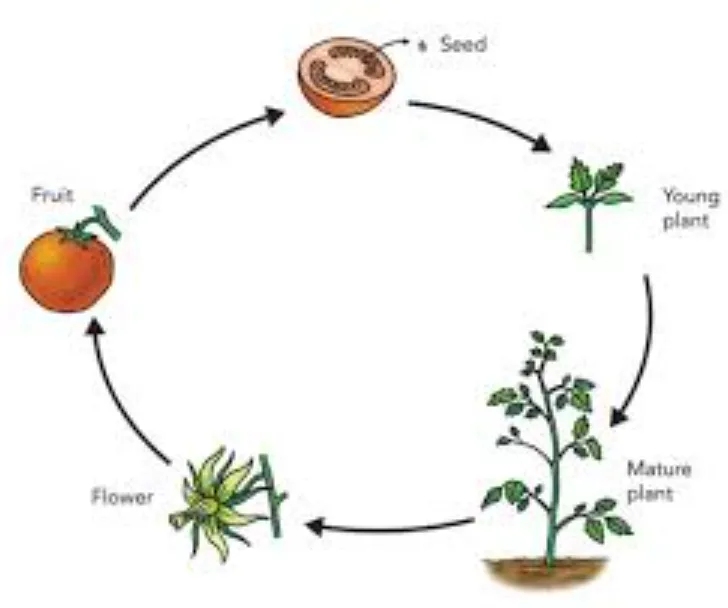
Quick Life Cycle Table
| Stage | Time Duration | Description |
| Seed Germination | 1-2 weeks | Strawberry seeds sprout and begin to grow roots. |
| Seedling Development | 4-6 weeks | Small plants develop leaves and start to grow. |
| Flowering | 6-8 weeks | Plants produce flowers that eventually turn into fruit. |
| Fruit Ripening | 4-6 weeks | Strawberries grow, ripen, and develop their red color. |
| Harvesting | 12-16 weeks | Ripe strawberries are ready to be harvested. |

The History of Their Scientific Naming
The scientific name of strawberries is Fragaria × ananassa. This name is derived from the genus Fragaria, which belongs to the family Rosaceae, and ananassa refers to the plant’s hybrid nature. The modern strawberry was cultivated in Europe and North America by crossing the North American strawberry, Fragaria virginiana, with the Chilean strawberry, Fragaria chiloensis, in the 18th century.
The development of strawberry varieties has led to varieties suited to various climates, making them a global favorite.
Their Evolution and Their Origin
Strawberries have a long history, with wild species being harvested by indigenous people for centuries. They originally came from North and South America, but their commercial cultivation began in Europe during the early 19th century. The first hybrid strawberry we recognize today was developed in Europe, combining the characteristics of wild strawberries from the Americas with those of the Chilean strawberry, which was introduced to Europe in the 1600s.
The evolution of strawberry varieties has continued into modern times. Today, we see varieties grown worldwide, each suited to specific growing conditions and climates. In colder regions, June-bearing strawberries are common, while everbearing and day-neutral varieties are grown in warmer climates. These varieties have been selectively bred for traits such as size, flavor, and disease resistance, making strawberries among the most widely cultivated fruits globally.
Their Main Food and Its Collection Process
Strawberry plants, like many other plants, are photosynthetic organisms, meaning they produce their own food through sunlight. This process occurs in their leaves, where sunlight is absorbed by chlorophyll, converting it into glucose. This glucose is then used to fuel growth, development, and fruit production.
Additionally, strawberries absorb nutrients from the soil, including nitrogen, phosphorus, and potassium, which are essential for their development. The strawberry plant’s roots absorb water and nutrients from the soil, allowing it to grow strong and produce healthy fruit.
Their Life Cycle and Ability to Survive in Nature
Strawberry plants are perennials, meaning they can survive for multiple years in favorable conditions. The strawberry life cycle begins with seed germination and continues through flowering and fruiting. Once harvested, the plants’ runners (or stolons) help propagate new plants, ensuring the species’ survival.
In nature, strawberry plants can survive in a variety of climates. However, they thrive in temperate regions where sunlight, water, and soil nutrients are balanced. During the colder months, strawberry plants enter a dormant phase in which their growth slows or halts. They can survive this period as long as they have enough stored energy in their roots. In warmer months, the plant resumes its growth, flowering, and fruiting cycle.
Their Reproductive Process and Raising Their Children
Strawberries reproduce through both sexual and asexual means. During the flowering stage, pollination occurs, allowing the plant to produce fruit. The pollination process is mainly facilitated by bees and other insects, which transfer pollen from one flower to another. After successful pollination, the strawberry fruit begins to develop.
In addition to sexual reproduction, strawberries also reproduce asexually through the use of runners. These are long stems that grow horizontally from the main plant. The runners eventually form small new plants, which can be transplanted to produce new strawberry crops. This ability to propagate via runners is one of the key reasons strawberries can spread so easily.

Importance of Them in This Ecosystem
Strawberry plants play an important role in ecosystems. They provide food for various pollinators, such as bees, butterflies, and birds. These pollinators help fertilize other plants, contributing to the biodiversity of the environment. In addition, the strawberry plant itself is an important food source for numerous creatures, ranging from small mammals to birds.
Furthermore, strawberry plants improve the soil quality by increasing organic matter and preventing erosion. Their root systems help bind the soil together, reducing the likelihood of soil degradation. As a result, strawberries benefit both agriculture and the surrounding environment.
What to Do to Protect Them in Nature and Save the System for the Future
To protect strawberry plants and their natural habitat, several steps can be taken:
- Plant strawberries in appropriate conditions to reduce the need for pesticides and chemical fertilizers.
- Preserve natural habitats by protecting wild strawberry species and their ecosystems.
- Encourage organic farming practices that do not harm the environment.
- Avoid over-harvesting wild strawberries to allow plant populations to regenerate.
- Support pollinator health by creating environments that attract bees and other pollinators.
Important Things That You Need To Know
Here are some important things to know about strawberries:
- Strawberry Shortcake Characters: Popularized in the 1980s, Strawberry Shortcake has become an iconic character in children’s media, associated with the fruit.
- Strawberry Elephant: Known in some cultures as a figurine or design inspiration, the strawberry elephant is often used as a decorative item.
- Strawberry Cheesecake: A popular dessert made with strawberries, often garnished on top of a cream cheese filling over a graham cracker crust.
- Strawberry Daiquiri: A sweet cocktail made from strawberries, rum, and lime juice.
These are just a few fun facts connected to strawberries, making the fruit not only delicious but also a significant cultural symbol.

Frequently Asked Questions (FAQs)
- How long does it take for a strawberry plant to grow from seed?
- It typically takes about 3-4 months for strawberries to grow from seed to harvest.
- How do strawberries reproduce?
- Strawberries reproduce both sexually through pollination and asexually through runners.
- What climate is best for growing strawberries?
- Strawberries grow best in temperate climates with well-drained soil and plenty of sunlight.
- Are strawberries annual or perennial plants?
- Strawberries are perennials, which means they can produce fruit for several years.
- How do I care for strawberry plants?
- Ensure they get enough sunlight, water, and nutrients, and protect them from pests and diseases.
- What pests affect strawberry plants?
- Common pests include aphids, slugs, and strawberry root weevils.
- Can strawberries be grown indoors?
- Yes, strawberries can be grown indoors in containers with adequate light.
- What is the best time to harvest strawberries?
- Strawberries should be harvested when they are fully ripe and red, typically in late spring to early summer.
Conclusion
Understanding the strawberry life cycle is crucial for anyone interested in growing or studying these delicious fruits. From their humble beginnings as seeds to their transformation into vibrant, sweet fruits, strawberries play an essential role in both ecosystems and the human diet. With proper care, protection, and understanding of their growth cycle, we can continue to enjoy strawberries for generations to come.
Also Read: life cycle lightning bug
About the Author