Bees are among the most fascinating and essential creatures on Earth. Understanding the life cycle of a Beehive is not just a study of nature but a journey into the heart of an ecological system that impacts food, flowers, and every ecosystem on the planet. From the moment a queen bee lays her first egg to how an entire hive thrives through seasons, this complex life cycle showcases both delicate balance and incredible teamwork.
Here are 3 Quick Answers to Common Questions about the life cycle of a beehive:
1. What is the beehive life cycle?
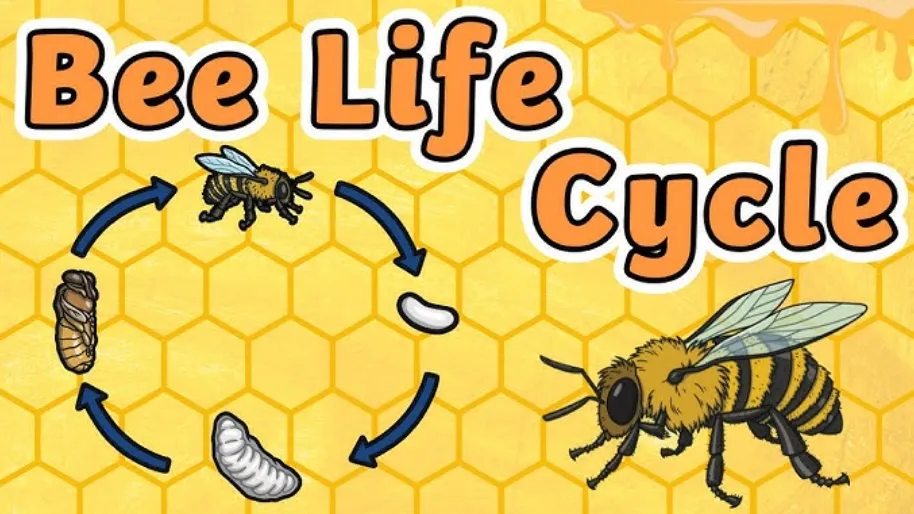
The beehive life cycle begins with eggs laid by the queen, followed by larvae, pupae, and finally adult bees. Each stage has unique growth processes and time frames.
2. How long does it take for a bee to develop?
Worker bees usually develop in about 21 days from egg to adult, while drone and queen bees take slightly longer or shorter, depending on nutrition and conditions.
3. What keeps a beehive alive in nature?
A combination of shared labor, environmental adaptation, food gathering, hive structure, and seasonal strategies helps the colony survive and reproduce.
This article explores every part of the beehive’s life cycle and why these insects matter deeply to the world around us.
Quick Life Cycle Table
| Stage | Duration | Description |
| Egg | 3 days | Queen lays tiny white eggs in honeycomb cells. |
| Larva | 6 days | Grub‑like larvae fed by worker bees. |
| Pupa | 12 days | Larvae spin cocoons and transform into adults. |
| Adult | Lifespan varies | Worker bees, drones, or queens begin their roles. |

The History of Their Scientific Naming
The scientific naming of bees and beehives is rooted in a long tradition in biology called taxonomy. The most common honeybee species is Apis mellifera, where “Apis” means bee in Latin and “mellifera” means honey‑bearing. This name was given in the 18th century by scientists who studied insect anatomy and behaviors.
Scientific naming helps researchers worldwide accurately discuss species. It distinguishes honeybees from other insects, such as wasps and solitary bees. Over history, names have changed as scientists learned more about genetics, behavior, and regional differences. Apis mellifera includes many subspecies found in Europe, Africa, and Asia. These subspecies have adapted to climates from cold mountains to tropical forests, showing how names reflect both physical traits and natural history.
Their Evolution and Their Origin
Bees evolved from wasp‑like ancestors roughly 120 million years ago, during the age of dinosaurs. These ancestors weren’t pollen collectors yet. Instead, they hunted insects. Over millions of years, some species began visiting flowers — not to kill prey but to feed on nectar. This behavioral shift sparked a dramatic evolutionary change.
As bees began feeding on nectar and collecting pollen, their bodies adapted. Specialized hairs developed on their legs and bodies to gather pollen efficiently. Mouthparts evolved to collect nectar better. Their social behaviors became more complex. Some species remained solitary, but others formed small family groups. Eventually, the most famous social bees — the honeybees — emerged with highly organized colonies.
The evolution of honeybees coincided with the spread of flowering plants. As plants and bees co‑evolved, flowers became more attractive to bees, while bees became better pollinators. This partnership transformed ecosystems worldwide.
The origin of bees lies in a delicate dance between insects and flora. Every flower visited, and every pollination event pushed bee evolution forward, making them one of nature’s most crucial living systems.
Their Main Food and Its Collection Process
Bees mainly feed on two things: nectar and pollen.
Nectar
- Nectar is a sugary liquid produced by flowers.
- Bees use their long tongue to suck in nectar and store it in a special “honey stomach.”
- Inside the hive, worker bees pass nectar to other bees, who turn it into honey by evaporation and adding enzymes.
- Honey becomes the primary energy source for adult bees.
Pollen
- Pollen provides proteins and fats, essential for young larvae’s growth.
- Bees collect pollen on hairy legs in special baskets called corbiculae.
- Back in the hive, pollen is stored in cells mixed with nectar to make “bee bread.”
- Bee bread sustains larvae and nurse bees.
Collection Process
- Worker bees leave the hive to forage.
- They land on flowers and use their body hairs to trap pollen.
- Nectar is drawn up and kept separate from pollen.
- Scouts communicate the best flower locations with a waggle dance.
- This dance tells direction, distance, and quality of food sources.
Without this food collection process, neither larvae nor adult bees could survive. It fuels the entire beehive life cycle.
Their Life Cycle and Ability to Survive in Nature
Life Cycle in Detail
- Egg Stage
- The queen lays eggs in hexagonal wax cells. Each egg is tiny and upright.
- Larval Stage
- After three days, eggs hatch into larvae. Nurse bees feed them royal jelly or pollen‑nectar mixtures.
- Pupal Stage
- The larvae spin cocoons and pupate. They transform inside sealed cells.
- Adult Stage
- After metamorphosis, fully formed bees chew out of cells and begin their roles.
Survival in Nature
Honeybees survive through seasons by adapting their behaviors and social systems:
- Seasonal Preparation
- Bees collect and store extra honey before winter.
- Thermal Regulation
- Worker bees vibrate to keep the hive warm.
- Hive Defense
- Guard bees protect from predators.
- Division of Labor
- Different roles increase efficiency and hive health.
These survival strategies help bees weather storms, cold months, and food shortages.
Their Reproductive Process and Raising Their Children
Honeybee reproduction is a finely tuned social act:
Queen’s Role
- The queen bee is the only fertile female.
- She mates with multiple drones during a mating flight.
- Afterward, she returns to the hive and begins laying eggs — up to thousands per day.
Drone’s Role
- Drones are male bees whose primary job is to mate with a queen.
- Once mating is complete, drones die shortly after.
Worker Bee Roles
- Worker bees are sterile females responsible for feeding larvae and cleaning cells.
- They feed young larvae royal jelly for queens or pollen‑nectar mixes for workers and drones.
Raising Children
- Nurse bees feed larvae every few hours.
- The type of food determines whether a larva becomes a worker, drone, or queen.
- Royal jelly fed constantly makes a queen.
- After development, new bees help support the colony.
This process ensures genetic diversity, colony strength, and long‑term survival.

Importance of Them in this Ecosystem
Beehive Importance
Honeybees are not just honey producers; they are ecosystem engineers. Their pollination work affects thousands of plant species, including many that humans rely on for food.
Ecological Benefits
- Provide pollination for wild plants.
- Support food crops like apples, almonds, berries, and cucumbers.
- Maintain healthy plant communities.
- Help other animals by supporting habitats.
Economic Importance
- Much of global agriculture depends on pollinators.
- Honey and beeswax are valuable natural products.
- Bee‑associated industries include food, cosmetics, and agriculture.
Biodiversity Support
Without bees, many plants would fail to reproduce effectively, risking extinction and loss of habitats for other animals. Their actions ripple through ecosystems, connecting every flower, fruit, and forest edge.
Important Things That You Need To Know
This section explains key terms commonly used in studies of bees and beehive systems. These LSI keywords help expand understanding and boost SEO relevance:
Beehive Basics
A beehive is a structured home built by bees from wax. Inside, bees create honeycomb cells for rearing young and storing food.
Beehive Farmacy
The term beehive farmacy refers to natural medicines derived from hive products — such as honey, propolis, and royal jelly — known for their healing properties.
Beehive Hairstyle & Hairdo
Interestingly, the beehive hairstyle or beehive hairdo was inspired by the shape of a hive — high, rounded, and layered — much like honeycomb tiers.
Beehive Meals
Beehive meals describe how bees regularly consume pollen and nectar — the “daily bread” of hive life.
Beehive Trail Acadia & Beehive State
These terms show how beehive imagery appears in different contexts, like Beehive Trail Acadia (a hiking route) and Beehive State, a nickname for Utah, highlighting the iconic hive shape as a symbol of productivity.
What to Do to Protect Them in Nature and Save the System for the Future
Bees face threats like habitat loss, pesticides, climate change, and diseases. Here’s how we can help:
- Plant Bee‑Friendly Flowers
- Choose native, nectar‑rich plants.
- Reduce Pesticide Use
- Avoid harmful chemicals in gardens and lawns.
- Support Local Beekeepers
- Buy honey and hive products responsibly.
- Protect Wild Habitats
- Leave some fields and forests undisturbed.
- Provide Water Sources
- Shallow dishes help bees hydrate.
- Educate Communities
- Awareness leads to more bee‑safe choices.
- Advocate for Policies
- Support laws protecting pollinators.
These steps improve bee survival, protect hive life cycles, and ensure future ecosystems thrive.

Frequently Asked Questions (FAQs)
1. What is the life cycle of a beehive?
The life cycle includes egg, larva, pupa, and adult stages, each with specific roles and durations.
2. How long does a beehive last?
A single beehive can last for many seasons as long as food, a queen, and conditions remain stable.
3. Do bees stay in the hive all the time?
No, worker bees forage for food daily, while others stay inside to care for the brood and maintain the hive.
4. What is a beehive farmacy?
It refers to natural hive products with medicinal properties, such as honey and propolis.
5. How many bees are in a beehive?
A healthy hive can contain tens of thousands of bees.
6. Why are bees important to nature?
They pollinate plants, support biodiversity, and help food production.
7. Can a beehive survive winter?
Yes, by clustering, storing honey, and reducing activity.
8. What threats do beehives face?
Pesticides, habitat loss, diseases, and climate change are major risks.
Conclusion
The life cycle of a beehive is an extraordinary demonstration of natural engineering, biology, teamwork, and ecological importance. From eggs laid by a queen to adult bees performing specific roles, every phase contributes to a thriving colony that supports ecosystems and human life.
Understanding how bees collect food, raise their young, and survive seasons helps us appreciate the delicate balance that keeps our world blooming. Protecting these remarkable insects through mindful gardening, reduced pesticide use, and habitat conservation ensures that future generations continue to benefit from their unmatched contribution to nature. Beehives are not just insect homes — they are engines of life.
Also Read: tadpole life cycle
About the Author