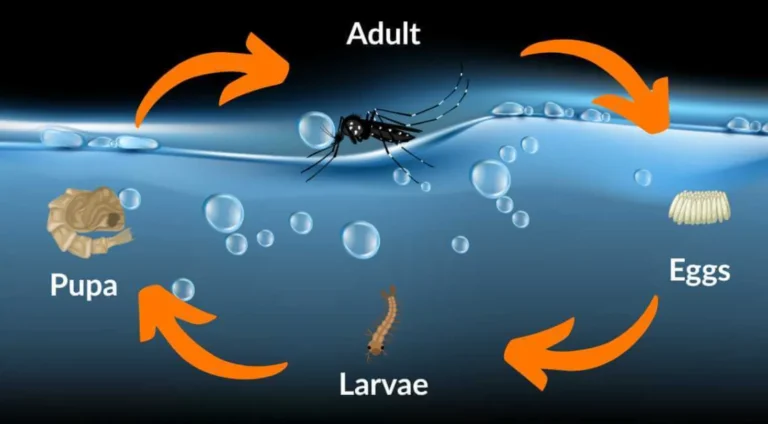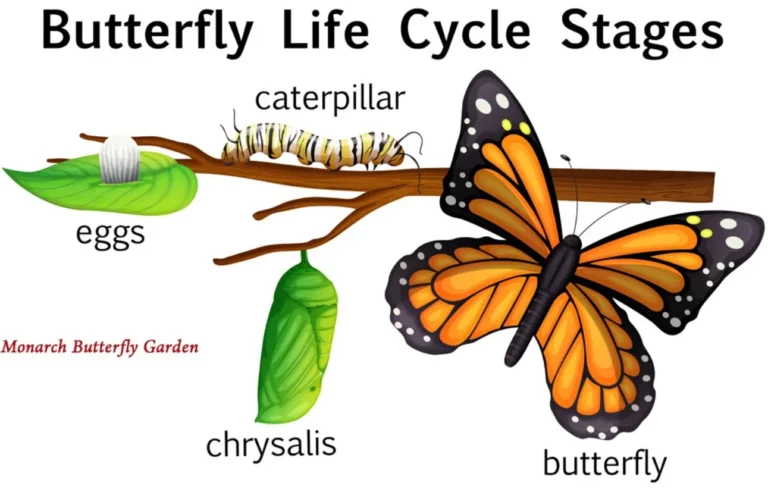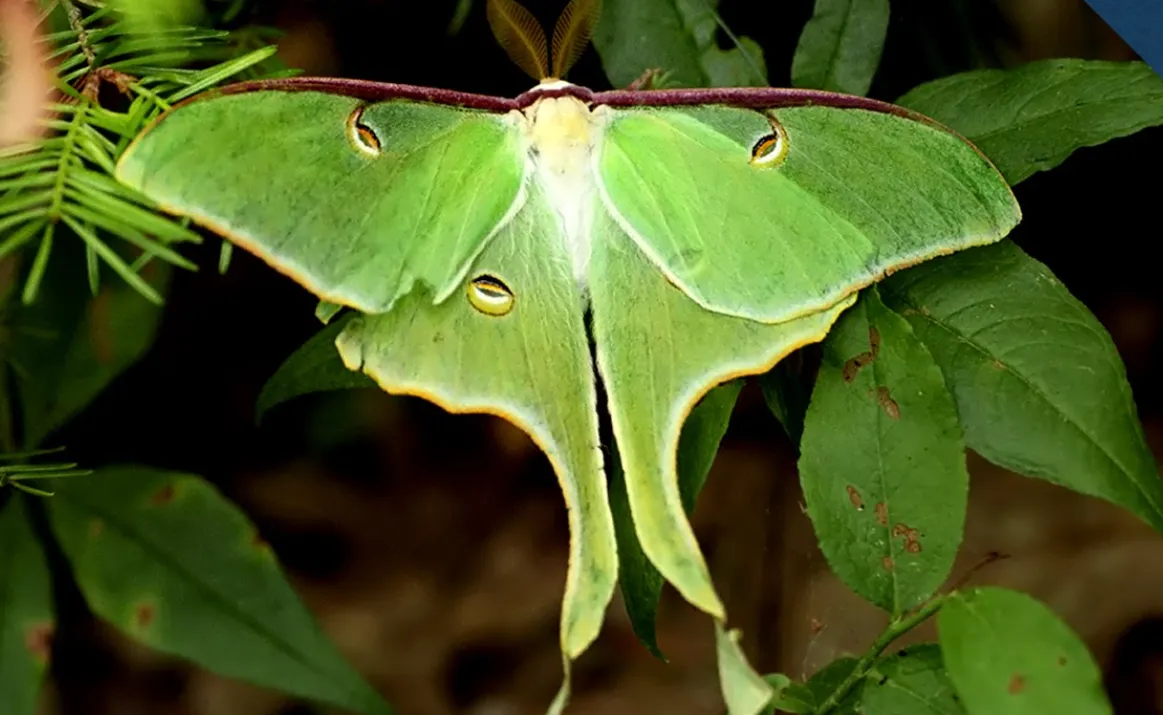
The luna moth life cycle is one of nature’s most fascinating transformations, showcasing beauty, survival, and biological precision. Known for their pale green wings and long tails, luna moths (Actias luna) are iconic members of the giant silk moth family. Despite their striking appearance, they live a surprisingly short adult life, making every stage of their life cycle crucial for survival.
Understanding the luna moth life cycle helps us appreciate their role in ecosystems and highlights the delicate balance of nature. From egg to caterpillar, cocoon to adult moth, each stage has unique adaptations that ensure the species continues.
Quick Answers (Most Common Questions)
- How long is the luna moth’s lifespan?
- Adult luna moths live only about 7–10 days, focusing solely on reproduction.
- What does a luna moth caterpillar eat?
- The luna moth caterpillar feeds on leaves from trees like walnut, hickory, and sweet gum.
- Where do luna moths make cocoons?
- They create a luna moth cocoon using silk, usually wrapped in leaves on the ground or attached to branches.
Quick Life Cycle Table
| Stage | Description | Duration |
| Egg | Small, oval eggs are laid on host plant leaves | 7–10 days |
| Larva (Caterpillar) | The bright green caterpillar is feeding actively | 3–4 weeks |
| Pupa (Cocoon) | Encased in a silk cocoon for transformation | 2–3 weeks (or overwinter) |
| Adult Moth | Winged, non-feeding reproductive stage | 7–10 days |

The History Of Their Scientific Naming
The scientific naming of the luna moth has a rich historical background tied to early entomology studies.
- Scientific Name: Actias luna
- The genus Actias derives from Greek mythology and is often associated with elegance and beauty.
- The species name “luna” refers to the Roman moon goddess, inspired by the moth’s pale, glowing green colour.
- First described by Carl Linnaeus in 1758, a pioneer in biological classification.
- Classified under the family Saturniidae, known as giant silk moths.
- The naming reflects both appearance and mythological symbolism, emphasizing its nocturnal nature.
This classification system helped scientists understand relationships between moth species and laid the foundation for modern taxonomy.
Their Evolution And Their Origin
The luna moth belongs to the Saturniidae family, a group of large moths known for their striking patterns and silk-producing abilities. Fossil evidence suggests these moths originated millions of years ago and have adapted to various forest environments across North America.
Initially, early ancestors of luna moths developed camouflage strategies to avoid predators such as birds and bats. Their green colouration mimics leaves, allowing them to blend seamlessly into foliage during the day. Over time, they also evolved long tail extensions on their wings, which are believed to confuse bat echolocation—an advanced survival adaptation.
Geographically, luna moths are native to North America, especially in deciduous forests. Their evolution is closely tied to host plants like hickory and walnut trees, which provide essential nutrition during the larval stage.
Climate changes over centuries have influenced their life cycle. In warmer regions, luna moths may have multiple generations per year, whereas in colder climates they produce only one generation per year.
Their evolutionary success lies in their efficient life cycle, in which each stage is optimized for survival. While adults do not eat, their larval stage ensures enough energy is stored for reproduction.
Their main food and its collection process
The feeding habits of luna moths vary significantly between life stages, making their dietary system unique.
Larval Stage (Primary Feeding Phase)
- The luna moth caterpillar is the only stage that feeds actively.
- It consumes leaves from:
- Hickory
- Walnut
- Sweet gum
- Birch
- Sumac
Food Collection Process
- Caterpillars use strong mandibles to chew leaves efficiently.
- They remain on host plants to ensure a constant food supply.
- Feeding occurs mostly at night to avoid predators.
Nutritional Strategy
- The caterpillar stores large amounts of energy in its body.
- This stored energy supports the moth during adulthood, as adults do not eat.
Adult Stage
- Adult luna moths lack functional mouthparts.
- They rely entirely on energy stored during the larval phase.
This feeding strategy highlights the importance of early life stages in ensuring survival and reproduction.
Their life cycle and ability to survive in nature
Egg Stage
Female luna moths lay eggs on the underside of leaves. This placement protects them from predators and environmental hazards.
Larval Stage
Once hatched, caterpillars grow rapidly. Their green colour helps them blend with leaves, reducing predation.
Pupal Stage (Cocoon)
The luna moth cocoon acts as a protective shell during transformation. Some cocoons overwinter, allowing survival in harsh climates.
Adult Stage
Adult moths emerge with fully developed wings. Their main goal is reproduction before their short lifespan ends.
Survival Adaptations
- Camouflage coloration
- Nocturnal behavior
- Tail structures to confuse predators
- Rapid development cycle
These adaptations ensure the luna moth thrives despite environmental challenges.
Their Reproductive Process and raising their children
Luna moth reproduction is efficient and time-sensitive due to their short lifespan.
Reproductive Process
- Females release pheromones to attract males.
- Males detect these signals using sensitive antennae.
- Mating usually occurs at night.
Egg Laying
- Females lay 100–300 eggs on host plants.
- Eggs are placed strategically to ensure food is available to larvae.
Parental Role
- Luna moths do not provide parental care after laying eggs.
- Survival depends on instinct and environmental conditions.
Growth of Offspring
- Caterpillars begin feeding immediately after hatching.
- Rapid growth ensures they reach the cocoon stage quickly.
This reproductive strategy maximizes the chances of species survival despite their short adult life.

The importance of them in this Ecosystem
Pollination Role
Although they do not feed as adults, luna moths contribute indirectly to pollination by interacting with plants.
Food Chain Contribution
They serve as prey for:
- Birds
- Bats
- Small mammals
Biodiversity Indicator
Their presence indicates a healthy forest ecosystem.
Plant Regulation
Caterpillars help regulate plant growth by consuming leaves.
Luna moths play a crucial role in maintaining ecological balance.
Important Things That You Need To Know
The luna moth is surrounded by cultural meanings and fascinating variations that make it even more interesting.
Luna Moth Meaning
The luna moth symbolizes transformation, renewal, and spiritual growth through its life cycle.
Luna Moth Tattoo
A luna moth tattoo symbolizes rebirth and personal change, making it a popular choice in body art.
Luna Moth Lifespan
The luna moth’s lifespan in adulthood is extremely short, underscoring the importance of each life stage.
Purple Luna Moth
While rare, references to a purple luna moth usually relate to artistic interpretations rather than natural variations.
Luna Moth Cocoon
The luna moth cocoon is a vital stage where transformation occurs safely.
These aspects highlight both the biological and cultural significance of luna moths.

What to do to protect them in nature and save the system for the future
- Preserve natural forests where host plants grow
- Avoid using chemical pesticides
- Plant native trees like walnut and hickory
- Reduce light pollution to support nocturnal behaviour
- Educate communities about moth conservation
- Protect cocoon habitats during winter
- Encourage biodiversity-friendly gardening
- Support conservation organizations
These steps can help ensure luna moth populations remain stable.
Frequently Asked Questions (FAQs)
- What is the full luna moth life cycle?
- Egg → Caterpillar → Cocoon → Adult moth.
- How long does each stage last?
- The entire cycle takes about 6–8 weeks.
- Do luna moths eat as adults?
- No, they rely on stored energy.
- Where are luna moths found?
- Mainly in North America.
- What do luna moth caterpillars look like?
- Bright green with small spines.
- Why are Luna moths important?
- They support biodiversity and the food chain.
- How many eggs do they lay?
- Around 100–300 eggs.
- Are Luna moths rare?
- They are not rare but are rarely seen due to their nocturnal nature.
Conclusion
The luna moth life cycle is a remarkable example of nature’s efficiency and beauty. From a tiny egg to a stunning adult moth, each stage is carefully designed for survival and reproduction. Despite their short lifespan, luna moths play a vital role in ecosystems by supporting biodiversity and maintaining ecological balance.
Understanding their life cycle also underscores the importance of conservation. By protecting forests, reducing pollution, and supporting natural habitats, we can ensure these magnificent creatures continue to thrive.
Also Read: lion life cycle
About the Author