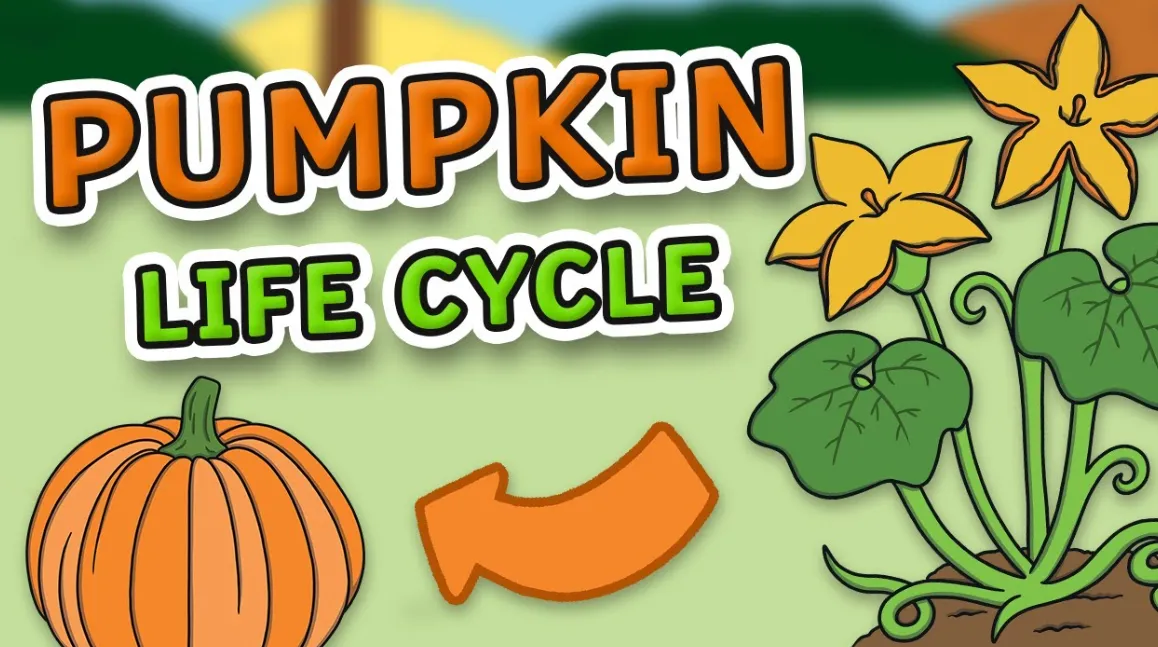
The life cycle of a pumpkin is a fascinating natural process that transforms a tiny seed into a large, vibrant fruit. Pumpkins are not only popular for fall decorations and delicious recipes but also play an important role in agriculture and ecosystems.
From Germination to Flowering and fruit development, each stage is essential for the pumpkin’s growth and survival. Understanding this cycle helps gardeners grow healthier Pumpkins and appreciate the science behind nature.
Pumpkins belong to the Cucurbita genus and thrive in warm climates with plenty of sunlight. Their growth cycle typically lasts between 90 and 120 days, depending on the variety.
Quick Answers (Most Common Questions)
1. How long does the life cycle of a pumpkin take?
The full life cycle usually takes about 3–4 months (90–120 days) from seed to harvest.
2. What are the main stages of pumpkin growth?
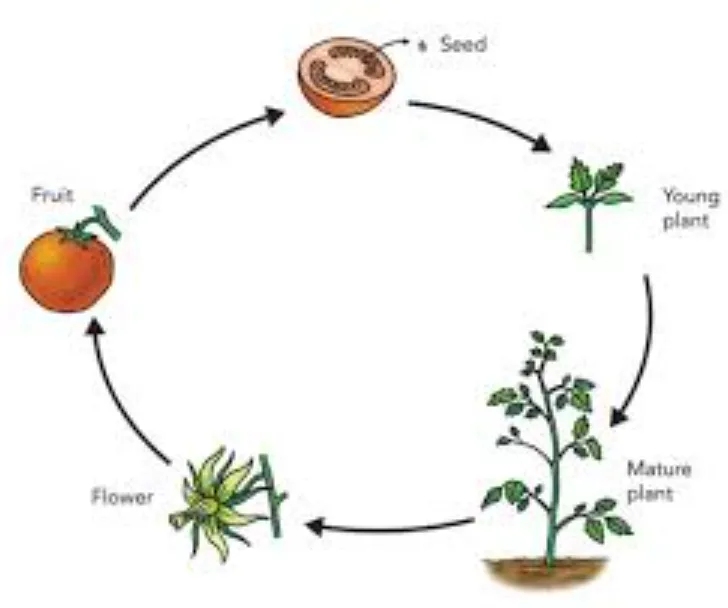
The stages include seed → germination → vine growth → flowering → fruiting → harvest.
3. Can pumpkins grow anywhere?
Pumpkins grow best in warm, sunny environments with well-drained soil.
Quick Life Cycle Table
| Stage | Description | Duration |
| Seed | Dry seed planted in soil | 5–10 days |
| Germination | Seed sprouts into a seedling | 1–2 weeks |
| Vine Growth | Leaves and vines spread | 2–4 weeks |
| Flowering | Yellow flowers bloom | 1–2 weeks |
| Pollination | Bees transfer pollen | Few days |
| Fruit Development | Pumpkin grows in size | 4–8 weeks |
| Harvest | Fully mature pumpkin | 90–120 days |

The History Of Their Scientific Naming
- Pumpkins belong to the genus Cucurbita, part of the gourd family (Cucurbitaceae).
- The name Cucurbita comes from Latin, meaning gourd or squash-like plant.
- Early botanists classified pumpkins based on their fruit structure and vine characteristics.
- The common pumpkin species include Cucurbita pepo, Cucurbita maxima, and Cucurbita moschata.
- The word “pumpkin” originates from the Greek word “pepon”, meaning large melon.
- French explorers later adapted it to “pompon”, and English settlers eventually used “pumpkin.”
- Scientific naming was standardized in the 18th century by Carl Linnaeus, who formalized plant classification.
- Today, pumpkins are studied not only for agriculture but also for genetic diversity and crop improvement.
Their Evolution And Their Origin
Pumpkins originated in Central America, particularly in regions that are now Mexico. Archaeological evidence suggests that pumpkins have been cultivated for over 7,000 years, making them one of the oldest domesticated crops.
Early humans selected pumpkins for their nutritional seeds and durable shells. Over time, selective breeding led to the development of larger, sweeter, and more diverse varieties.
Wild ancestors of pumpkins were smaller and more bitter. Through natural and human-driven evolution, pumpkins adapted to different climates and soils. This adaptability allowed them to spread across North and South America.
When European explorers arrived in the Americas, they encountered pumpkins and brought them back to Europe. From there, pumpkins spread globally and became an important crop in many regions.
Evolution has also influenced pumpkin traits such as:
- Thick rind for protection
- Rapid vine growth
- Large fruit size
- Bright orange color to attract animals
Today, pumpkins are cultivated worldwide and are valued for their nutritional, economic, and cultural importance.
Their Main Food and Its Collection Process
Pumpkins, like all plants, produce their own food through photosynthesis.
How Pumpkins Get Their Food
- Pumpkins use sunlight, carbon dioxide, and water to produce energy.
- Their large leaves act like solar panels, absorbing sunlight efficiently.
- Chlorophyll in the leaves converts light energy into chemical energy.
Collection Process
- Roots absorb water and nutrients from the soil.
- Nutrients include nitrogen, phosphorus, and potassium.
- Water travels through the stem to the leaves.
- Leaves produce sugars, which are transported to the fruit.
Key Points
- Pumpkins rely heavily on sunlight exposure (6–8 hours daily).
- Soil quality directly affects fruit size and health.
- Farmers often use compost or fertilizers to improve nutrient availability.
- The vine distributes energy throughout the plant, supporting fruit growth.
This efficient system allows pumpkins to grow large and store nutrients in their flesh and seeds.

Their Life Cycle and Ability to Survive in Nature
🌱 Seed Stage
Pumpkins begin as seeds planted in warm soil. The seed contains stored nutrients to support initial growth.
🌿 Germination
With enough moisture and warmth, the seed sprouts. A small seedling emerges within days.
🌾 Vine Growth
The plant develops long vines and broad leaves. This stage allows it to gather energy through photosynthesis.
🌼 Flowering
Pumpkins produce both male and female flowers. Bright yellow blooms attract pollinators, such as bees.
🍯 Pollination
Bees transfer pollen from male to female flowers, enabling fruit formation.
🎃 Fruit Development
After Pollination, the pumpkin begins to grow. It gradually increases in size and changes color.
🌞 Survival Ability
- Pumpkins adapt to various climates but prefer warm conditions.
- Their vines spread widely, maximizing sunlight exposure.
- Thick skin protects the fruit from pests and environmental stress.
- Seeds remain viable for future growth, ensuring the survival of the species.
Their Reproductive Process and Raising Their Children
- Pumpkins reproduce through sexual reproduction using flowers.
- Male flowers produce pollen, while female flowers contain ovaries.
- Pollination occurs mainly through bees and insects.
- After successful Pollination, the ovary develops into a pumpkin fruit.
Raising the Next Generation
- A hard shell protects the pumpkin’s seeds.
- When the pumpkin decomposes, seeds are released into the soil.
- Seeds can remain dormant until conditions are favorable.
- Farmers often collect seeds for future planting.
Key Points
- Cross-pollination increases genetic diversity.
- Each pumpkin can contain hundreds of seeds.
- Proper spacing helps plants grow and reproduce efficiently.
- Natural dispersal helps pumpkins spread in the wild.
Importance of Them in this Ecosystem
🌍 Soil Health
Pumpkins improve soil structure by:
- Preventing erosion
- Adding organic matter when it decomposes
🐝 Supporting Pollinators
- Pumpkin flowers provide nectar for bees.
- They play a role in maintaining pollinator populations.
🐾 Food Source
- Animals feed on pumpkin flesh and seeds.
- They contribute to the food chain.
🌱 Biodiversity
- Pumpkins support diverse organisms in farmland ecosystems.
- They interact with insects, microbes, and animals.
Important Things That You Need To Know
Pumpkins are not just plants—they are a cultural and culinary icon. Here are some essential aspects related to pumpkins:
🎃 Pumpkin Uses and Creative Ideas
- Pumpkin carving ideas are popular during Halloween, allowing for creative decorations.
- Many people enjoy pumpkin painting ideas as a safer alternative for kids.
🍞 Food and Recipes
- A classic pumpkin bread recipe yields a moist, flavorful treat.
- Pumpkin pie is a traditional dessert enjoyed worldwide.
🎨 Art and Learning
- Beginners often try pumpkin drawing to learn basic shapes.
- There are many easy pumpkin carving ideas for beginners.
Pumpkins are versatile—they can be used in cooking, decoration, and even education. Their popularity continues to grow globally due to their nutritional value and seasonal charm.

What to Do to Protect Them in Nature and Save the System for the Future
- Use organic farming methods to reduce chemical damage.
- Protect pollinators like bees by avoiding pesticides.
- Practice crop rotation to maintain soil health.
- Use compost to naturally improve soil fertility.
- Save seeds from healthy pumpkins for future planting.
- Reduce water waste by using efficient irrigation systems.
- Encourage Biodiversity by planting companion plants.
- Support sustainable agriculture practices.
Frequently Asked Questions (FAQs)
1. What is the first stage of a pumpkin’s life cycle?
The first stage is the seed stage, where growth begins.
2. How do pumpkins reproduce?
They reproduce through Pollination between male and female flowers.
3. Why are bees important for pumpkins?
Bees help transfer pollen, enabling fruit development.
4. How long does it take for pumpkins to grow?
Typically 90–120 days.
5. Can pumpkins grow in cold climates?
They prefer warm climates but can grow in cooler areas with proper care.
6. What nutrients do pumpkins need?
Nitrogen, phosphorus, potassium, and water.
7. Why do pumpkin leaves matter?
Leaves perform photosynthesis, producing food for the plant.
8. Are pumpkins fruits or vegetables?
Botanically, pumpkins are fruits.
Conclusion
The life cycle of a pumpkin is a remarkable journey that showcases the beauty and complexity of nature. From a small seed to a fully grown fruit, each stage plays a vital role in the plant’s survival and productivity.
Pumpkins are not only important for food and decoration but also contribute significantly to ecosystems by supporting pollinators and improving soil health. Understanding their growth process helps farmers, gardeners, and enthusiasts cultivate better crops and protect natural resources.
By adopting sustainable practices and appreciating their ecological value, we can ensure that pumpkins continue to thrive for future generations. Whether you enjoy growing them, cooking them, or using them creatively, pumpkins remain an essential part of our natural and cultural world. 🎃
Also Read About: life cycle penguins
About the Author