The life cycle of a spider is one of the most fascinating processes in the natural world. Spiders belong to the order Araneae and are part of the class Arachnida, which means they are related to scorpions, mites, and ticks, not insects. Unlike insects, spiders have eight legs, two main body parts, and specialized silk-producing organs called spinnerets. Britannica describes spiders as arachnids with highly developed silk-spinning and body structures unlike those of insects.
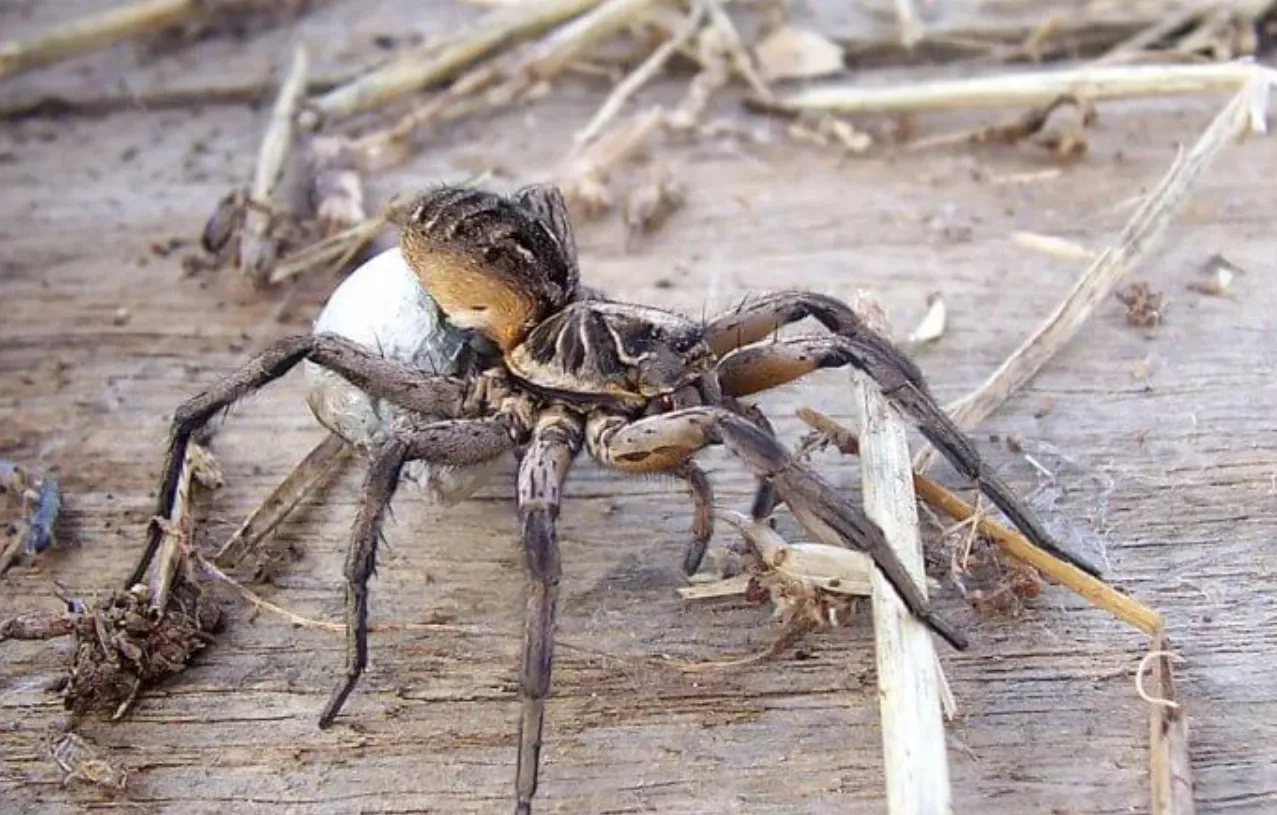
A spider’s life usually begins inside a silk egg sac, where the eggs are protected from weather, predators, and drying out. After hatching, baby spiders are called spiderlings. They look like tiny adults but are not fully developed. As they grow, they pass through several molts, shedding their old outer body covering so a larger one can form.
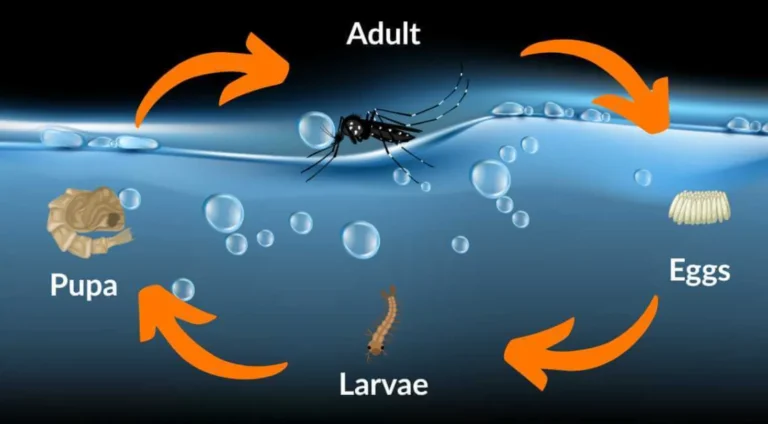
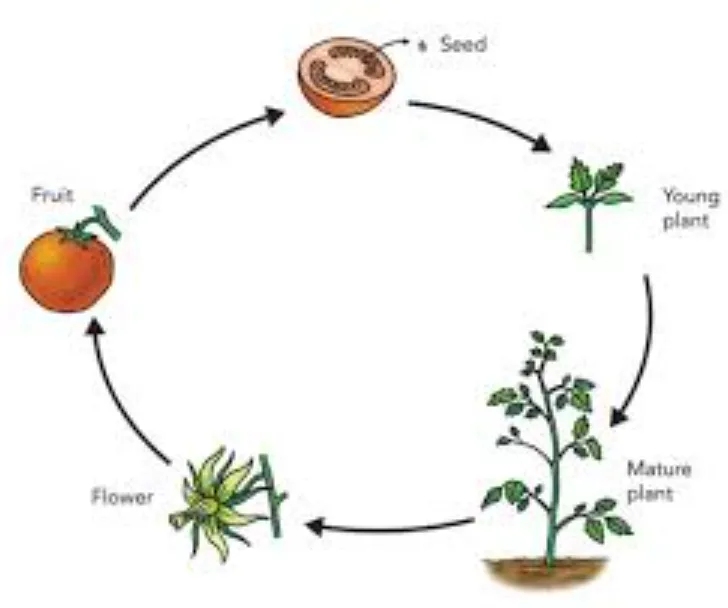
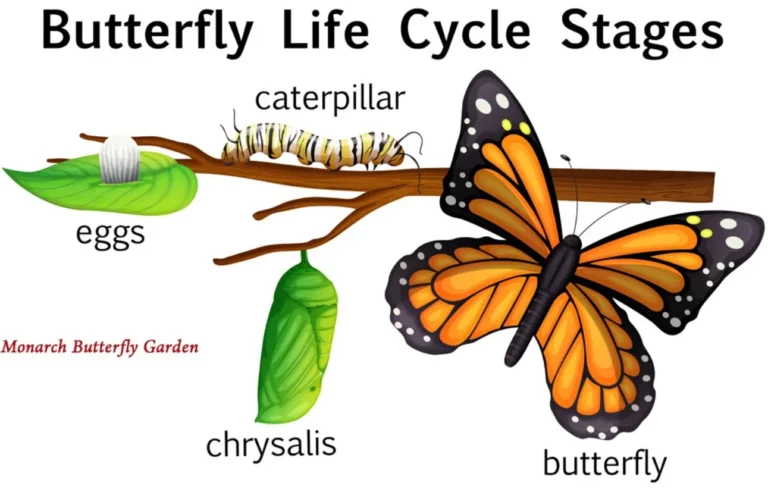
The spider life cycle generally includes four main stages: egg, spiderling, juvenile, and adult spider. The time needed to complete this cycle varies by species, temperature, food supply, and habitat. Some small spiders may complete their life cycle in one season, while larger species can live for several years. University extension sources note that spiders share the same basic cycle: egg, immature growth through molts, and the reproductive adult stage.
Q: What are the main stages in the life cycle of a spider?
A: The main stages are egg, spiderling, juvenile, and adult spider.
Q: Do all spiders make egg sacs?
A: Most female spiders protect their eggs inside a silk egg sac, but the size, shape, and number of sacs differ by species.
Q: How long does it take for a spider to become an adult?
A: It can take a few weeks, several months, or even years, depending on the spider species, food, climate, and environment.
Important Things That You Need To Know
When learning about the spider, it is important to understand that spiders are not insects. They are arachnids, and this single fact explains many differences in their body structure, behavior, and growth. A spider has eight legs, while insects have six. A spider also has two main body sections: the cephalothorax and the abdomen.
Another key point is spider silk. Silk is not used only for webs. Spiders use silk for egg sacs, safety lines, shelter, prey wrapping, and movement. Smithsonian Education explains that spider silk is produced in glands inside the abdomen and released through spinnerets.
The spider’s life cycle is strongly connected to molting. Because spiders have a hard outer covering, they must shed it to grow. Young spiders may molt many times before reaching adulthood.
Spiders also play a major role in the ecosystem. They help control insect populations, support food chains, and act as natural pest managers. Even though many people fear spiders, most species avoid humans and are more useful than harmful.
Important LSI terms related to this topic include spider, spiderlings, egg sac, spider silk, and arachnid life cycle. These words help readers understand the full biology of a spider’s life cycle.
Quick Life Cycle Table
| Stage | What Happens | Key Feature |
| Egg | A female lays eggs inside a silk sac | Protected by an egg sac |
| Spiderling | Baby spider hatches and starts moving | Looks like a tiny adult |
| Juvenile | A spider grows by molting several times | Learns to hunt and survive |
| Adult | Spider becomes mature and can reproduce | Completes the life cycle |

The History of Their Scientific Naming, Evolution, and Origin
Scientific Naming of Spiders
Spiders belong to the scientific order Araneae. The word is linked to old Latin and Greek roots connected with spiders. In biological classification, spiders are placed under the Kingdom Animalia, Phylum Arthropoda, Class Arachnida, and Order Araneae. Modern spider taxonomy is still updated as new species are discovered and described.
Evolution of Spiders
Spiders are ancient animals. The Australian Museum notes that spider-like arachnids probably evolved about 400 million years ago, long before dinosaurs appeared. Early spider relatives evolved body structures that enabled them to live on land, hunt small animals, and produce silk.
Origin and Diversity
Today, spiders are found almost worldwide, except in Antarctica. The World Spider Catalog is a major modern database for spider taxonomy and is regularly updated with accepted spider families, genera, and species. Their success comes from their flexible hunting methods, silk use, small body size, and ability to adapt to forests, grasslands, deserts, wetlands, homes, and gardens.
Their Reproductive Process, Giving Birth, And Rising Their Children
Mating and Reproduction
Spider reproduction begins when a mature male finds a mature female. In many species, the male performs careful movements, vibrations, or courtship signals to show that he is a mate, not prey. After mating, the female stores sperm and uses it to fertilize eggs as they pass out of her body. Britannica explains that spider eggs are fertilized as they move through the oviduct and out through the female reproductive opening.
Egg Laying and Egg Sac Formation
After fertilization, the female lays eggs and usually covers them with spider silk. This silk forms a protective egg sac. The egg sac may be hidden under leaves, placed inside a web, carried by the mother, or attached to a safe surface. Some female spiders produce one egg sac, while others produce several.
Care for Young Spiderlings
Spiders do not “give birth” like mammals. Most lay eggs. After hatching, the young spiders are called spiderlings. In many species, the mother does not provide long-term care. However, some spiders guard the egg sac, carry the young, or allow spiderlings to remain near them for a short time.
Raising and Dispersal
When spiderlings become active, they often leave the egg sac and spread into the environment. Some use a behavior called ballooning, in which they release silk threads and travel with air currents. Extension sources describe ballooning as a common dispersal behavior that helps young spiders move to new areas.
Stages of the Life Cycle of a Spider
Egg Stage
The first stage in the life cycle of a spider is the egg. Female spiders lay eggs inside a soft but strong silk egg sac. The number of eggs can vary widely. Some species lay only a small number, while others may lay hundreds. Britannica notes that female spiders may produce one egg sac with several to a thousand eggs or several egg sacs with fewer eggs.
The egg sac protects the developing embryos from dryness, temperature changes, and many predators. This stage is very important because survival depends on a safe location and good environmental conditions.
Spiderling Stage
After the eggs hatch, the young spiders are called spiderlings. They are tiny, soft-bodied, and vulnerable. At first, they may remain inside or near the egg sac until they are strong enough to move.
Spiderlings already look like small spiders, but they cannot reproduce. They must feed, avoid predators, and grow. Some spiderlings disperse by walking, while others use silk threads to float away in the air.
Juvenile Stage
The juvenile stage is the main growth period. During this stage, the spider molts many times. Molting means the spider sheds its old outer covering, called the exoskeleton, and grows a new one.
This stage can be risky because the spider is soft and weak after molting. A good food supply helps the juvenile spider grow faster and reach maturity. Hunting skill, hiding behavior, and habitat quality are very important during this stage.
Adult Stage
The final stage is the adult spider. Adult spiders are sexually mature and can reproduce. Males often focus on finding females, while females prepare to lay eggs and make egg sacs.
Adult spiders may build webs, hunt actively, guard burrows, or ambush prey depending on the species. Once reproduction is complete, many small spiders die within a season, but some larger spiders, especially tarantulas and related species, can live for many years.
Their main diet, food sources, and collection process are explained
Spiders are mostly carnivorous predators. Their main diet includes insects and other small animals. Many common spiders eat flies, mosquitoes, moths, beetles, ants, grasshoppers, and other soft-bodied arthropods. Some larger spiders may catch small frogs, lizards, or tiny fish, but most depend mainly on insects.
Main Food Sources
Spiders commonly feed on:
- Flies and mosquitoes
- Moths and small butterflies
- Beetles and ants
- Crickets and grasshoppers
- Other small spiders
- Small household and garden pests
How Spiders Collect Food
Not all spiders catch food in the same way. Web-building spiders use sticky silk webs to trap flying or crawling insects. When prey touches the web, vibrations tell the spider where the prey is.
Hunting spiders, such as jumping spiders and wolf spiders, do not depend on large webs for catching food. They stalk, chase, or ambush prey using eyesight, speed, and body control.
Some spiders use silk to wrap captured prey. Silk helps stop the prey from escaping and keeps it safe until the spider is ready to feed. Smithsonian notes that spider silk has many uses beyond simple web-building, including prey capture, protection, and movement.

How Long Does A Spider Live
The lifespan of a spider depends greatly on species, sex, food supply, climate, predators, and habitat. There is no single lifespan that applies to all spiders because the spider world is extremely diverse.
- Small house spiders often live for about several months to one or two years, depending on conditions.
- Orb-weaving spiders may live for one season in many climates. They hatch, grow, reproduce, and die after completing their life cycle.
- Wolf spiders may live for 1 to several years, depending on the species and environment.
- Jumping spiders often live about one year, though some may live longer in safe conditions.
- Female spiders usually live longer than males in many species. Males often mature, search for females, mate, and die sooner.
- Large tarantulas and mygalomorph spiders can live much longer than small web-building spiders. Britannica notes that females of mygalomorph spiders may live up to 25 years, while some primitive haplogyne spiders may live up to 10 years.
- Food availability affects lifespan. A spider with steady prey and a safe shelter has a better chance of surviving longer.
- Temperature matters. Warm conditions may speed up growth, while cold or seasonal climates can slow development.
- Predators reduce lifespan. Birds, wasps, lizards, frogs, and other spiders may eat spiders at different life stages.
- Molting is a risky period. Young spiders must molt many times, and failure during molting can lead to death.
- Captivity can extend lifespan for some species because food, temperature, and safety are controlled.
In simple words, many small spiders live less than two years, but some larger spiders can live for many years. The female spider’s life is often longer because she plays the main role in producing and protecting the next generation.
Spider Lifespan in the Wild vs. in Captivity
Lifespan in the Wild
In the wild, a spider faces many natural challenges. It must find food, avoid predators, withstand weather changes, and choose safe places for molting and egg-laying. Because of these risks, many spiderlings never reach adulthood.
Wild spiders may also die from drought, flooding, habitat loss, pesticides, or lack of prey. Small spiders living in seasonal climates often complete their life cycle quickly.
Lifespan in Captivity
In captivity, some spiders may live longer because they are protected from predators and extreme weather. They may receive regular food, proper humidity, and safe shelter.
This is especially true for larger spiders such as tarantulas. However, captivity only supports long life when the spider’s natural needs are properly understood. Wrong temperature, poor humidity, overfeeding, or unsafe handling can harm the spider.
Main Difference
The biggest difference is risk. In the wild, spiders are part of the food chain and face many dangers. In captivity, those dangers are reduced, but survival depends on correct care.
Importance of the Spider in this Ecosystem
Natural Pest Control
Spiders are important because they eat many insects. By feeding on flies, mosquitoes, moths, and crop pests, spiders help control insect populations naturally. This reduces pressure on plants, gardens, farms, and forests.
Food Chain Support
Spiders are both predators and prey. They eat insects, but birds, reptiles, amphibians, wasps, and small mammals do too. This makes them an important link in the food chain.
Biodiversity Balance
A healthy spider population often shows that an ecosystem has enough prey, shelter, and plant diversity. Spiders live in grasslands, forests, wetlands, deserts, and human settlements, making them useful indicators of habitat condition.
Soil and Plant Health Connection
By controlling plant-eating insects, spiders indirectly support plant growth. Healthier plants protect soil, provide oxygen, and offer shelter for many organisms.
Reducing Chemical Dependence
Because spiders naturally reduce pests, they can help lower the need for chemical pesticides in some environments. This supports safer ecosystems for pollinators, birds, and other wildlife.
What to do to protect them in nature and save the system for the future
Protect Natural Habitats
- Keep forests, gardens, grasslands, and wetlands healthy.
- Avoid destroying leaf litter, logs, and native plants where spiders hide and hunt.
- Create small wild corners in gardens to support spiders and insects.
Reduce Pesticide Use
- Avoid unnecessary chemical spraying.
- Use natural pest control methods when possible.
- Remember that pesticides can kill helpful spiders along with harmful insects.
Do Not Kill Spiders Without Reason
- Most spiders avoid humans and are not aggressive.
- If a spider is indoors, gently move it outside instead of killing it.
- Learn to identify common local spiders safely.
Support Native Plants
- Native plants attract a balanced insect population.
- More natural plant diversity means more stable food sources for spiders.
- Gardens with flowers, shrubs, and ground cover support spider habitats.
Teach People About Their Value
- Many people fear spiders because they do not understand them.
- Education helps reduce fear and unnecessary killing.
- Schools, blogs, and nature programs can teach the role of spiders in ecosystems.
Fun & Interesting Facts About Spider
- Spiders are not insects. They are arachnids with eight legs.
- All spiders can produce silk, but not all spiders build classic round webs.
- Spiderlings often look like tiny adults, but they need several molts before maturity.
- Some baby spiders travel through the air using silk threads in a process called ballooning.
- Female spiders often live longer than males, especially in many larger species.
- Spider silk is very useful for webs, egg sacs, shelters, safety lines, and wrapping prey.
- Spiders help control pests by eating flies, mosquitoes, moths, and other insects.
- Some spiders hunt without webs, using speed, eyesight, or ambush tactics.
- The egg sac is one of the most important survival tools in the spider’s life cycle.
- Spiders are found in almost every land habitat, from forests and fields to homes and deserts.

Frequently Asked Questions (FAQs)
Q: What is the life cycle of a spider?
A: The life cycle of a spider includes four main stages: egg, spiderling, juvenile, and adult spider. The spider grows by molting until it becomes mature.
Q: How many eggs does a spider lay?
A: The number depends on the species. Some spiders lay a small number of eggs, while others may lay hundreds in one or more egg sacs. Britannica notes that some egg sacs may contain several to a thousand eggs.
Q: What are baby spiders called?
A: Baby spiders are called spiderlings. They usually look like tiny adult spiders but are not mature.
Q: Do spiders care for their babies?
A: Some spiders guard their egg sacs or young spiderlings for a short time, but many spiderlings become independent soon after hatching.
Q: Why are spiders important in nature?
A: Spiders are important because they control insect populations, support food chains, and help maintain balance in the ecosystem.
Conclusion
The life cycle of a spider shows how a small arachnid grows from a protected egg into a skilled adult predator. Each stage—egg, spiderling, juvenile, and adult spider—has a special role in survival and reproduction. Spiders may seem simple at first, but their life cycles include careful egg protection, repeated molting, silk production, hunting behavior, and ecological importance.
Understanding spiders helps us see their value in nature. They reduce pests, support food chains, and help maintain environmental balance. Instead of fearing every spider, people should learn to respect their role in the ecosystem. Protecting spiders means protecting biodiversity, natural pest control, and the health of future habitats. A spider’s life may be small, but its impact on nature is truly powerful.
Also Read: life cycle of a snake
About the Author