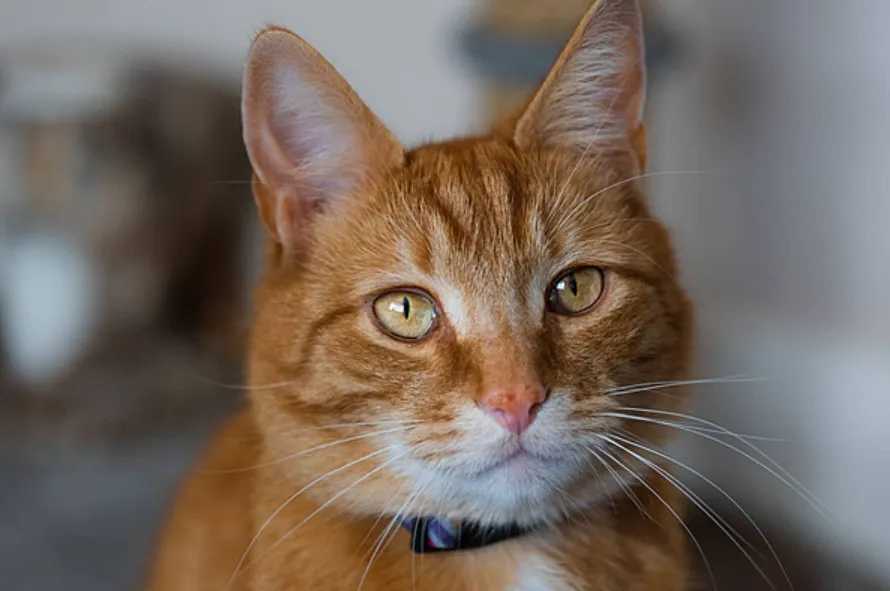
The life cycle of a cat explains how it grows from a tiny newborn kitten into a young adult, a mature adult, a senior cat, and finally the end-of-life stage. A domestic cat, scientifically known as Felis catus, is one of the most familiar animals in human homes, farms, and urban spaces. It is a small carnivorous mammal under the family Felidae, which also includes wild cats, lions, tigers, and leopards. Taxonomically, Felis catus belongs to Animalia, Chordata, Mammalia, Carnivora, Felidae, and Felis.
Understanding the cat life cycle is important for pet owners, students, animal lovers, and wildlife researchers. Each stage has different needs. A newborn kitten depends fully on its mother, while an adult cat becomes an independent hunter with strong survival instincts. Senior cats need extra care, proper nutrition, dental support, and regular health checks.
Modern veterinary life-stage guidelines divide cats into kitten, young adult, mature adult, senior, and end-of-life stages. These stages help owners understand feeding, behavior, reproduction, disease prevention, and natural survival ability.
Q: How long is the life cycle of a cat?
A: A cat’s life cycle may last around 12–18 years on average, though many indoor cats can live longer with proper care.
Q: What are the main stages in the life cycle of a cat?
A: The main stages are newborn kitten, kitten, young adult, mature adult, senior, and end-of-life.
Q: When does a cat become an adult?
A: A cat is usually considered a young adult after 1 year of age, although full physical and behavioral maturity may continue developing after that.
Important Things That You Need To Know
When writing about the life cycle of a cat, it is important to understand the real search intent behind related keywords. Some LSI keywords are directly connected to cats, while others are popular search terms that include the word “cat” but do not describe the animal.
The keyword cat is the main topic and refers to the domestic animal Felis catus. Keywords such as cat breeds, Maine Coon cat, and Persian cat are closely related because they describe different types of domestic cats. A Maine Coon cat is known for its large body, thick coat, and friendly personality. A Persian cat is famous for its long fur, flat face, and calm indoor lifestyle. These breed-related terms can be useful when discussing growth, grooming, care, and lifespan differences.
However, terms like Doja Cat, Jelly Cat, and Jordan 4 Black Cat are not biological topics about cats. Doja Cat is a music artist, Jellycat is a plush toy brand, and Jordan 4 Black Cat is a sneaker-related search term. These keywords should not be forced into scientific sections about reproduction, evolution, or ecology. Using them naturally in a short explanation helps SEO without confusing readers.
For a high-quality article, the focus should remain on real animal biology, cat growth stages, diet, reproduction, survival, and ecosystem importance.
Quick Life Cycle Table
| Stage | Age Range | Main Changes | Care Needs |
| Newborn Kitten | 0–2 weeks | Eyes closed, fully dependent on mother | Warmth, milk, protection |
| Early Kitten | 2–8 weeks | Eyes open, walking begins, teeth appear | Nursing, weaning, gentle handling |
| Growing Kitten | 2–6 months | Fast growth, play, and hunting practice | Kitten food, vaccines, socialization |
| Young Adult Cat | 1–6 years | Strong body, active behavior, reproductive maturity | Balanced food, exercise, and vet care |
| Mature Adult Cat | 7–10 years | Slower activity, stable behavior | Weight control, dental care |
| Senior Cat | 10+ years | Aging signs, lower energy, and health risks | More vet checks, soft bedding, and a senior diet |
| End-of-Life Stage | Any age | Serious illness or natural decline | Comfort care, pain control, veterinary support |
The 2021 feline life-stage guideline recognizes the following life stages: kitten (birth to 1 year), young adult (1–6 years), mature adult (7–10 years), senior (10+ years), and end-of-life (any age).

The History of Their Scientific Naming
The domestic cat’s scientific name is Felis catus. The name was formally linked to the domestic cat by Carl Linnaeus in 1758, during the early development of modern biological classification. Today, major biodiversity databases list the domestic cat as Felis catus Linnaeus, 1758 under the family Felidae.
Important naming points:
- Felis means the small-cat genus.
- Catus refers to the domestic cat species.
- The family Felidae includes both domestic and wild cats.
- The order Carnivora reflects the cat’s meat-based feeding biology.
- Some older names and subspecies terms have been used in the past, but Felis catus is now widely used for domestic cats.
Scientific naming helps distinguish the domestic cat from its wild relatives, such as the African and European wildcats. This is important because domestic cats share many instincts with wildcats but have adapted to living close to humans.
In simple words, the name Felis catus tells us that the animal is a true cat, a mammal, a carnivore, and part of the same wider family as other feline species.
Their Evolution And Their Origin
The origin of the domestic cat is closely connected to wildcats, early farming communities, grain storage, and human settlement. Cats likely became useful to humans because they hunted mice and rats around stored grain. This created a natural relationship: humans got pest control, and cats got food and shelter.
For many years, the common idea was that cats began living near humans around 10,000 years ago. However, newer genetic research has made the story more complex. A 2025 report on ancient cat genomes found that domestic cats entered Europe from North Africa roughly 2,000 years ago during the Roman imperial period, likely through Mediterranean trade and grain ships. The research also suggests that earlier European cat remains were often wildcats, not direct ancestors of today’s domestic cats.
The domestic cat is believed to descend from the African wildcat, especially populations from Africa and the Near East. Unlike dogs, cats were not heavily shaped by humans at first. They were more likely tolerated and welcomed because they controlled pests. Friendlier wildcats could live closer to humans, find food more easily, and reproduce near settlements.
This means cats were partly shaped by natural selection. They kept strong hunting instincts, sharp senses, climbing ability, night vision, and independent behavior. Even modern indoor cats often show wild behaviors such as stalking, pouncing, hiding, scratching, and territorial marking.
Cat evolution is also linked with human culture. In ancient Egypt, cats had symbolic and religious importance. Later, traders, sailors, and armies helped spread cats across different regions. Today, domestic cats live almost everywhere humans live, from apartments and villages to farms and cities.
Their main food and its collection process
Cats are obligate carnivores, which means they depend on nutrients found mainly in animal-based food. Their bodies are designed to digest meat, use animal protein, and obtain essential nutrients from prey or complete cat food. Cornell Feline Health Center explains that cats evolved as hunters eating prey high in protein, moderate in fat, and low in carbohydrates. Cats also need vitamins, minerals, fatty acids, and amino acids for good health.
Main food sources and collection process:
- Small mammals: In nature, cats hunt mice, rats, voles, and other small animals.
- Birds: Some outdoor cats catch birds, especially young or ground-feeding species.
- Insects and reptiles: Cats may catch insects, lizards, or small reptiles in warm areas.
- Commercial cat food: Pet cats usually eat dry food, wet food, or mixed diets made for feline nutrition.
- Mother’s milk: Newborn kittens depend fully on their mother’s milk during the earliest stage.
- Weaning food: Young kittens slowly move from milk to soft kitten food.
Cats hunt for food using a hunting pattern. First, they observe movement quietly. Then they stalk slowly, keep their body low, wait for the right moment, and pounce quickly. Their claws help grip prey, while their sharp teeth help kill and tear food.
Indoor cats may not hunt for survival, but they still show hunting behavior through play. Toys, moving strings, balls, and feather wands trigger natural stalking and chasing instincts.
A healthy pet cat should not depend on random leftovers. It needs clean water, balanced cat food, and age-appropriate nutrition. Supplements should not be given without veterinary advice because too much of some nutrients can harm cats.

Their life cycle and ability to survive in nature
Newborn and Kitten Survival
A newborn kitten is weak, blind, and fully dependent on its mother. It needs warmth, milk, licking for cleaning, and protection from danger. During the first few weeks, survival depends mainly on the mother cat’s care.
As kittens grow, they begin to open their eyes, walk, play, and explore. Play is not only fun; it teaches balance, coordination, biting control, stalking, and pouncing.
Young Adult Survival
A young adult cat becomes stronger, faster, and more independent. This stage is usually from 1 to 6 years. In nature or outdoor environments, young adult cats survive by hunting, hiding, climbing, and defending territory.
They use excellent hearing, smell, night vision, flexible bodies, retractable claws, and quick reflexes. These traits help them catch prey and escape threats.
Mature and Senior Survival
A mature adult cat from 7 to 10 years may still be active, but often becomes more stable and less playful. A senior cat over 10 years may lose speed, muscle strength, dental health, and immune strength.
In nature, aging cats face more risk because hunting becomes harder. Indoor senior cats usually survive longer when they receive proper food, warm shelter, dental care, and regular veterinary checks.
Routine health care is important throughout life. Adult cats should get at least yearly veterinary checkups, kittens need more frequent visits during early growth, and senior cats may need checks twice a year or more often.
Their Reproductive Process and raising their children
Cats reproduce through sexual reproduction. A female cat is called a queen, and a male cat is called a tom. Female cats can become sexually mature within the first year of life, depending on breed, health, daylight, nutrition, and environment.
Important reproductive points:
- Mating behavior: Female cats show heat behavior such as calling, rolling, rubbing, and increased affection.
- Induced ovulation: Cats are induced ovulators, meaning mating helps trigger ovulation.
- Pregnancy length: A cat’s pregnancy usually lasts about 60 to 65 days.
- Pregnancy detection: Veterinary examination or ultrasound can detect pregnancy around days 21-30.
- Late pregnancy care: A pregnant queen needs more food, safety, and a quiet nesting area.
- Birth process: Labor has stages, including early contractions, delivery of kittens, and placenta delivery.
- Kitten delivery: Kittens are usually born one after another, with intervals that can vary.
- Nursing: Newborn kittens drink their mother’s milk and depend on her for warmth and protection.
- Weaning: Kittens gradually move from milk to soft food as they grow.
- Social learning: Kittens learn grooming, litter habits, play, hunting skills, and social boundaries from their mother and littermates.
MSD Veterinary Manual notes that a cat’s pregnancy lasts 60 to 65 days, and pregnant or nursing cats have increased nutritional needs, especially in late pregnancy and while feeding kittens.
Responsible reproduction is important. Uncontrolled breeding can increase stray cat populations, disease risk, hunger, and wildlife pressure. Spaying and neutering are common ways to prevent unwanted litters and improve long-term population control.
The importance of them in this Ecosystem
Natural Pest Control
Cats are skilled hunters. Around farms, barns, ships, and grain stores, cats historically helped control mice and rats. This role made them valuable to humans for thousands of years.
By hunting rodents, cats can reduce food damage, disease transmission, and crop storage losses. This is one reason humans tolerated and later welcomed cats near settlements.
Part of the Food Web
Cats are predators. They influence populations of small mammals, insects, reptiles, and birds. In a balanced natural system, predators help control prey numbers.
However, domestic cats differ from wild predators because humans support their populations with food, shelter, and medical care. This can make their hunting pressure much higher than a natural ecosystem can handle.
Companionship and Human Well-being
Domestic cats also play an important social role. They provide companionship, emotional comfort, and a daily routine for many people. Although this is not a role in a wild ecosystem, it is important in the human-animal relationship.
Ecological Risk of Free-Ranging Cats
Free-ranging domestic cats can harm wildlife, especially when they hunt outside. A Nature Communications study estimated that free-ranging cats kill billions of birds and mammals each year in the United States, with unowned cats accounting for much of the impact.
So, cats are both helpful and harmful depending on context. Indoors or controlled environments make cats safer for wildlife while still allowing humans to benefit from companionship.
What to do to protect them in nature and save the system for the future
- Keep pet cats indoors or supervised: Indoor living protects cats from cars, poison, disease, fighting, and harsh weather. It also protects birds and small wildlife.
- Use catios or safe outdoor enclosures: A catio allows cats to enjoy fresh air without hunting wildlife or getting injured.
- Spay and neuter cats: This reduces unwanted litters, stray populations, and pressure on shelters and ecosystems.
- Support responsible adoption: Adopt from shelters or reputable rescue groups rather than encouraging uncontrolled breeding.
- Feed cats proper food: A balanced diet keeps them healthy and reduces the need to hunt.
- Do not abandon cats: Abandoned cats suffer from hunger, disease, and injury, and may become part of feral populations.
- Provide identification: Use microchips, collars, and tags so lost cats can return home.
- Protect local wildlife: Keep cats away from nesting birds, wildlife reserves, and sensitive habitats.
- Vaccinate and deworm cats: Health care reduces the spread of disease among pets, wildlife, and humans.
- Educate communities: Public awareness helps people understand that cat welfare and wildlife conservation can go hand in hand.
- Manage feral cat colonies humanely: Local authorities and animal welfare groups should use science-based, humane population control methods.
- Create safe shelters where needed: In cold or rainy areas, managed shelters can help community cats while long-term population control is planned.
The best future system is not anti-cat or anti-wildlife. It is a balanced approach that loves, protects, and responsibly manages cats.

Frequently Asked Questions (FAQs)
Q1: What is the life cycle of a cat?
A: The life cycle of a cat is the full journey from newborn kitten to kitten, young adult, mature adult, senior cat, and end-of-life stage.
Q2: How long does a cat live?
A: Many cats live around 12–18 years, and some indoor cats live into their twenties with good care, nutrition, and veterinary support.
Q3: At what age is a cat fully grown?
A: Most cats reach adult size around 12 months, but large breeds such as the Maine Coon cat may continue growing for longer.
Q4: What do cats eat in nature?
A: In nature, cats mainly eat small prey such as mice, rats, birds, insects, and reptiles. They are obligate carnivores and need animal-based nutrients.
Q5: How long is a cat pregnant?
A: Cat pregnancy usually lasts about 60 to 65 days, though exact timing can vary slightly.
Q6: How many kittens can a cat have?
A: A queen may give birth to a small or large litter. Common litters often include 3–5 kittens, but the number can vary depending on age, health, and breed.
Q7: Are Persian cats and Maine Coon cats different in their life cycles?
A: Their basic life cycle is the same, but breeding traits differ. A Persian cat may need more grooming, while a Maine Coon cat may grow larger and mature more slowly.
Q8: Are outdoor cats harmful to wildlife?
A: Outdoor and free-ranging cats can harm wildlife by hunting birds, mammals, reptiles, and other small animals. Keeping cats indoors or supervised helps protect ecosystems.
Conclusion
The life cycle of a cat is a fascinating journey of growth, survival, reproduction, and aging. From a helpless newborn kitten to an independent adult hunter, every stage has a clear biological purpose. Cats are intelligent, flexible, and highly adapted animals with strong senses, sharp reflexes, and deep hunting instincts.
At the same time, domestic cats need responsible human care. Proper food, clean water, vaccination, grooming, dental care, spaying or neutering, and safe shelter can greatly improve their quality of life. Indoor and supervised cats are also safer for local wildlife.
The domestic cat, or Felis catus, is more than a pet. It is a product of evolution, a historical companion of humans, a skilled predator, and an important part of the human-animal relationship. By understanding its life cycle, we can better protect cats and safeguard nature for the future.
Also Read: life cycle of a beetle
About the Author