The tick’s life cycle is one of the most interesting survival systems in the small-animal world. Ticks may look simple, but their lives are carefully built around patience, blood meals, host finding, and environmental timing. They are not insects. Ticks are arachnids, which means they are more closely related to spiders and mites than to flies or ants.
Most ticks pass through four main stages: egg, larva, nymph, and adult. After hatching, a tick usually needs a blood meal before it can grow into the next stage. Depending on the species, climate, host availability, and habitat, the full life cycle can take months or even up to three years. The CDC notes that many ticks die because they fail to find a host to feed on.
Ticks feed on many animals, including mammals, birds, reptiles, and amphibians. Some also attach to humans, especially during the nymph and adult stages. Understanding their life cycle helps us understand disease risk, natural balance, animal health, and why tick control should focus on smart management rather than blind destruction.
Q: What are the four stages of the tick’s life cycle?
A: The four stages are egg, larva, nymph, and adult. Larvae have six legs, while nymphs and adults have eight legs.
Q: How long does a tick live?
A: Many hard ticks complete their life cycle in about two to three years, but the timing changes by species, temperature, humidity, and host availability.
Q: What are seed ticks?
A: Seed ticks are newly hatched tick larvae. They are tiny, usually six-legged, and often appear in groups after hatching from an egg mass.
Quick Life Cycle Table
The tick’s life cycle is slow, risky, and highly dependent on the environment. Each stage has a purpose, and each feeding moment determines whether the tick survives to the next stage.
| Topic | Quick Bio Information |
| Common Name | Ticks |
| Scientific Order | Ixodida |
| Animal Group | Arachnids |
| Related To | Spiders, mites, and scorpions |
| Main Families | Ixodidae, Argasidae, and Nuttalliellidae |
| Common Types | Hard ticks and soft ticks |
| Life Cycle Stages | Egg, larva, nymph, and adult |
| Young Stage Name | Seed ticks, also known as larvae |
| Main Food | Blood from mammals, birds, reptiles, and amphibians |
| Feeding Style | They attach to a host, pierce the skin, and slowly feed on blood |
| Habitat | Grasslands, forests, leaf litter, animal trails, shrubs, nests, and burrows |
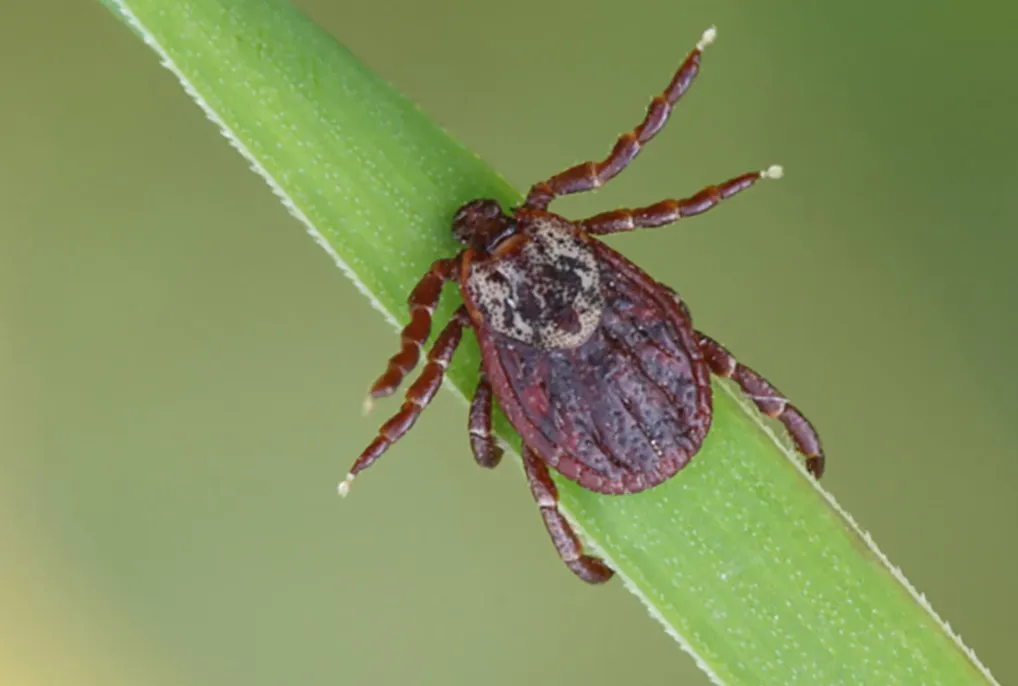
| Body Type | Small oval body with strong mouthparts for attachment |
| Legs | Larvae have six legs, while nymphs and adults have eight legs |
| Reproduction | Female ticks lay hundreds to thousands of eggs after feeding |
| Average Life Span | Several months to around three years, depending on species and environment |
| Survival Ability | They can wait a long time without food in humid and protected places |
| Ecological Role | They are part of the food web and help scientists study wildlife, disease, and ecosystem change. |
| Human Concern | Some ticks on humans can spread disease-causing organisms |
In many hard tick species, each active stage feeds once, drops from the host, and develops in the environment. The Merck Veterinary Manual explains that many Ixodidae, or hard ticks, use a three-host cycle, while some use a one- or two-host cycle.

Important Things That You Need To Know
Before going deeper into the tick’s life cycle, it helps to clarify the most frequently searched related terms. People often search for ticks, tick types, what ticks look like, seed ticks, and ticks on humans because tick problems are usually noticed only after a bite or after finding one on skin, pets, clothes, or bedding.
Ticks are small external parasites that feed on blood. They do not jump or fly. Instead, many wait on grass, leaves, shrubs, or near animal resting places until a host passes close enough. This waiting behavior is often called questing.
The main types of ticks include hard ticks and soft ticks. Hard ticks have a visible shield-like plate on the back, while soft ticks have a leathery body and often feed more quickly. Britannica describes ticks as belonging to the order Ixodida, with three families: Argasidae, Ixodidae, and the rare Nuttalliellidae.
Many people ask, ” What do ticks look like? A tick can look like a tiny dark dot before feeding, then become swollen and rounded after taking blood. Seed ticks are larval ticks and can be extremely small. Ticks on humans are usually found in warm, hidden areas such as behind the knees, underarms, waistline, scalp, groin area, or behind the ears.
The phrase “funding ticks” is not related to tick biology. In natural search intent, people usually mean finding ticks, which means checking their own bodies, pets, clothes, and outdoor gear after walking through grassy, wooded, or brushy areas.
The History of Their Scientific Naming
The scientific naming of ticks is based on taxonomy, the system scientists use to classify living things. Ticks are placed in the order Ixodida, inside the larger arachnid group. This is why they are not called insects, even though many people casually place them with bugs.
- Ixodida is the scientific order that includes all true ticks.
- Ixodidae refers to hard ticks. These ticks usually have a firm shield, called a scutum, on their upper body. Merck explains that this scutum is a key feature for identifying hard ticks.
- Argasidae refers to soft ticks. These have a softer, leathery body and different feeding behavior.
- Nuttalliellidae is a rare family represented by Nuttalliella namaqua, found in Africa. Britannica lists this as the third tick family.
- Scientific names such as Ixodes scapularis, Dermacentor variabilis, Amblyomma americanum, and Rhipicephalus sanguineus help scientists distinguish species based on morphology, host choice, disease role, and geography.
Over time, tick naming has changed as researchers use both body structure and molecular data. This matters because correct naming helps identify disease risks, animal hosts, and control methods.
Their Evolution And Their Origin
The origin of ticks dates back to ancient life on Earth. Ticks are arachnids, and their ancestors likely evolved from mite-like relatives that became specialized for feeding on vertebrate blood. This feeding style did not appear overnight. It developed over long periods of adaptation to hosts, hiding places, climate, and survival pressures.
Fossil evidence shows that ticks were already present during the Cretaceous period. One major fossil study described ticks from mid-Cretaceous Burmese amber, about 100 million years old. This means ticks existed during the age of the dinosaurs and had already developed parasitic lifestyles by then.
Their evolution is closely tied to host animals. Early ticks may have fed on reptiles, amphibians, birds, or early mammals. As vertebrates spread into different habitats, ticks also diversified. Some became better adapted to forests, some to grasslands, some to caves, nests, burrows, livestock areas, and homes.
The most successful tick groups developed strong survival features. They can wait for long periods without feeding. They sense heat, carbon dioxide, odor, movement, and humidity. They attach firmly to skin using mouthparts built for holding and feeding. Britannica notes that ticks use structures such as the hypostome, a barbed feeding organ, to stay attached and draw blood.
Evolution also shaped the difference between hard ticks and soft ticks. Hard ticks often feed for days and may use one, two, or three hosts. Soft ticks usually feed faster and may stay close to host nests or shelters. These differences show that ticks adapted to many ecological niches rather than following a single life strategy.
Their main food and its collection process
The main food of ticks is blood. Ticks are obligate blood-feeding parasites, meaning they depend on blood meals to grow, molt, reproduce, and complete their life cycle. They do not eat leaves, soil, dead matter, or plant sap.
Their feeding process is slow and highly specialized.
- Host detection: Ticks sense signs from nearby animals. These signs may include body heat, breath, odor, vibration, and carbon dioxide.
- Questing behavior: Many ticks climb grass, leaves, or low vegetation and wait with their front legs extended. They do not fly or jump. They grab onto a host when it brushes past.
- Finding a safe feeding site: After reaching the host, a tick may crawl for several minutes or longer to find thin skin or a protected area. On humans, this may be the scalp, waistline, armpits, groin, behind the ears, or behind the knees.
- Attachment: The tick cuts into the skin and anchors its mouthparts. Some ticks produce cement-like saliva that helps them stay attached.
- Blood feeding: Hard ticks often feed for several days. During feeding, they slowly swell as blood fills the body. Merck notes that hard tick feeding progresses slowly and that the swollen appearance becomes obvious near the end of feeding.
- Dropping off: After feeding, the tick usually leaves the host and returns to the ground, leaf litter, cracks, burrows, or another protected place.
Blood is not just food. For females, it is the energy source needed to produce eggs. Without successful feeding, most ticks cannot complete their life cycle.

Their life cycle and ability to survive in nature
Egg stage
The egg stage begins when an adult female lays eggs in a protected place. This may be under leaves, stones, grass, bark, cracks, or debris. In many hard ticks, the female lays a single large batch of eggs after feeding and mating.
Merck states that hard tick egg batches often contain 1,000 to 4,000 eggs and can exceed 12,000, depending on the species and the nutritional condition of the female. After laying eggs, the female dies in many hard tick species.
Larva stage
When eggs hatch, tiny larvae emerge. These are often called seed ticks. They have six legs, unlike nymphs and adults, which have eight. Larvae usually seek small hosts such as mice, birds, lizards, or other small animals.
After a blood meal, the larva drops off and molts into a nymph. This stage is delicate because the larva must find a host before it dries out or depletes its stored energy.
Nymph stage
The nymph is one of the most important stages for human exposure because it is small and easy to miss. Nymphs already have eight legs and may feed on small mammals, birds, pets, or people.
Because they are tiny, nymphs can remain unnoticed and attached. This makes them important in disease ecology, especially in regions where ticks carry pathogens.
Adult stage
Adult ticks are larger and easier to see. Their main goals are feeding, mating, and reproduction. Adult females need a full blood meal to produce eggs. Adult males often feed less but may remain on the host to mate.
The CDC explains that ticks can feed on mammals, birds, reptiles, and amphibians, and many species use different hosts at different life stages. This flexible host use helps them survive in changing environments.
Survival ability in nature
Ticks survive because they are patient. They can spend much of their lives off the host, waiting in humid microhabitats. Merck notes that many hard ticks spend more than 90 percent of their lifetime away from the host, which is why the environment is so important in tick control.
Their biggest enemies are dryness, extreme heat, freezing conditions, predators, fungi, and failure to find hosts.
Their Reproductive Process and raising their children
Ticks do not raise their young the way birds, mammals, or social insects do. There is no parental care after eggs are laid. Still, their reproductive process is highly effective because one female can produce many eggs.
- Mating: In many hard tick species, mating happens while ticks are on the host. Males may stay attached longer and may mate with more than one female.
- Female feeding: The adult female needs a large blood meal before producing eggs. Her body becomes swollen as she feeds.
- Dropping from the host: After mating and feeding, the female usually leaves the host and moves into a hidden place on or near the ground.
- Egg laying: The female lays eggs in a moist, protected location. Leaf litter, cracks, stones, and debris help protect eggs from drying and direct sunlight.
- No child care: Once eggs are laid, the female does not protect, feed, or guide the larvae. In many hard tick species, she dies after laying eggs.
- Mass survival strategy: Because there is no parental care, ticks rely on numbers. Many eggs are laid so that at least some larvae survive long enough to find hosts.
This strategy may seem simple, but it works well in nature. Most young ticks die before adulthood, yet enough survive to keep populations stable when host animals and suitable habitats are present.
The importance of them in this Ecosystem
Ticks as part of the food web
Although ticks are often seen only as pests, they are part of natural food webs. Birds, ants, spiders, beetles, mites, fungi, and some small animals may feed on ticks. In this way, ticks become food for other species.
Their presence can support tiny predator communities in soil, leaf litter, nests, burrows, and grassland edges.
Ticks and wildlife balance
Ticks feed on wildlife such as deer, rodents, birds, reptiles, and small mammals. In natural systems, parasites can influence host behavior, movement, health, and population pressure. This does not mean ticks are always good for animals, but it does mean they are part of the pressure that shapes wild populations.
Parasites often help ecosystems avoid becoming too simple. They connect species through feeding relationships and disease pathways.
Ticks as disease indicators
Ticks can carry pathogens, making them important for public health studies. The CDC lists several tick genera, including Ixodes, Amblyomma, Dermacentor, Hyalomma, Rhipicephalus, and Ornithodoros, as vectors of various diseases.
When scientists track ticks, they learn about wildlife movement, climate change, habitat fragmentation, and disease risk. Tick numbers can reveal changes in deer populations, rodent activity, land use, and humidity patterns.
Ticks and ecological research
Ticks help researchers understand host relationships, parasite evolution, blood feeding adaptations, and pathogen movement. Their life cycle gives clues about how small organisms survive long periods of hunger and harsh outdoor conditions.
So, while ticks can be harmful to humans and animals, they also play a real role in natural systems.
What to do to protect them in nature and save the system for the future
Protecting ticks does not mean encouraging tick bites or allowing disease risk near homes, farms, schools, or pets. A smarter goal is to protect ecosystem balance while safely managing tick exposure.
- Protect natural habitats: Healthy forests, grasslands, wetlands, and wildlife corridors support balanced predator-host communities.
- Avoid unnecessary pesticide use: Broad chemical spraying can harm beneficial insects, soil life, birds, and natural tick predators. Use targeted control only when needed.
- Support biodiversity: More diverse ecosystems can reduce overdependence on a few host species. This may help keep parasite systems more balanced.
- Keep wildlife areas healthy: Avoid destroying leaf litter and wild edges everywhere. These areas support many small organisms, not just ticks.
- Manage ticks near human spaces: Around homes, create clean walking paths, trim tall grass near living areas, and keep play spaces away from dense brush.
- Protect pets without harming the environment: Use veterinarian-approvedveterinarian-approved tick prevention for dogs and cats instead of heavy outdoor chemical use.
- Respect predators: Birds, ants, beetles, spiders, and fungi all help regulate small arthropods, including ticks.
- Educate people: Teach people how to check for ticks, remove them safely, and understand their role in nature.
- Support research: Tick research helps public health, livestock protection, wildlife conservation, and climate change monitoring.
- Balance control with conservation: The goal should be to reduce dangerous contact, not to remove every tick from nature.
A healthy future needs careful management. Ticks can be risky, but nature works best when we understand relationships instead of treating every small parasite as useless.

Frequently Asked Questions (FAQs)
Q: What is the tick’s life cycle?
A: The tick’s life cycle includes four main stages: egg, larva, nymph, and adult. After hatching, ticks usually need blood at each active stage to survive and grow.
Q: How long does the tick’s life cycle take?
A: It depends on the species and environment. Some species complete the cycle faster, while others may take two to three years. The CDC notes that some ticks can take up to three years to complete the full cycle.
Q: What do ticks look like?
A: Ticks look like small oval arachnids. Before feeding, they may look flat and tiny. After feeding, they become swollen and rounded. Larvae have six legs, while nymphs and adults have eight legs.
Q: What are seed ticks?
A: Seed ticks are newly hatched tick larvae. They are very small and may appear in large numbers. They need a blood meal before growing into nymphs.
Q: What are the main types of ticks?
A: The main types of ticks are hard ticks and soft ticks. Hard ticks belong to Ixodidae, while soft ticks belong to Argasidae. Britannica also lists the rare family Nuttalliellidae.
Q: Are ticks insects?
A: No. Ticks are arachnids, not insects. Nymphs and adults have eight legs, which is why they are grouped with spiders and mites.
Q: Why are ticks on humans dangerous?
A: Ticks on humans can be dangerous because some ticks carry disease-causing organisms. Not every tick is infected, but bites should be taken seriously, especially in areas known for tick-borne diseases.
Q: Do ticks die after biting?
A: Not always. Larvae, nymphs, and adults often drop off after feeding and continue their life cycle. In many hard tick species, the adult female dies after laying eggs.
Q: Can ticks survive without food?
A: Yes, ticks can survive long periods without feeding, especially when humidity and temperature are suitable. Their ability to wait is one reason they survive so well in nature.
Q: Where are ticks usually found?
A: Ticks are often found in wooded areas, tall grass, brush, leaf litter, animal trails, burrows, nests, and places where hosts pass frequently.
Conclusion
The tick’s life cycle is a powerful example of survival through patience, timing, and adaptation. From tiny seed ticks to adult blood-feeding arachnids, each stage depends on finding the right host and staying alive in a changing environment. Ticks may be small, but their role in nature is not simple.
They affect wildlife, feed other organisms, carry disease agents, and help scientists understand ecosystems. At the same time, ticks on humans, pets, and livestock require careful attention, as some species can spread serious diseases.
The best approach is balance. We should reduce risky contact, protect pets, manage tick-friendly spaces near homes, and avoid unnecessarily damaging natural systems. By understanding types of ticks, how they feed, what they look like, and how they reproduce, we can live more safely while respecting the wider Ecosystem they belong to.
Also Read: tomato bug life cycle
About the Author