Tadpoles are fascinating creatures that represent an essential phase in the life cycle of amphibians, particularly frogs and toads. Understanding their development not only provides insights into the biology of these creatures but also helps us appreciate their ecological role. Tadpoles, in their early stages, are entirely aquatic, relying on water environments to grow and undergo metamorphosis.
Quick Answers to Common Questions:
- What is a tadpole?
- A tadpole is the larval stage of frogs and toads, marked by a long, round body and a tail. They begin their life in water, where they undergo metamorphosis into adult amphibians.
- How do tadpoles turn into frogs?
- Tadpoles gradually lose their tail and develop legs, undergoing a process called metamorphosis. This transformation enables them to transition from aquatic to semi-terrestrial environments.
- What do tadpoles eat?
- Tadpoles are primarily herbivores, feeding on algae, plant material, and detritus in their aquatic habitat. As they mature, some species may begin to eat small insects.
Quick Life Cycle Table
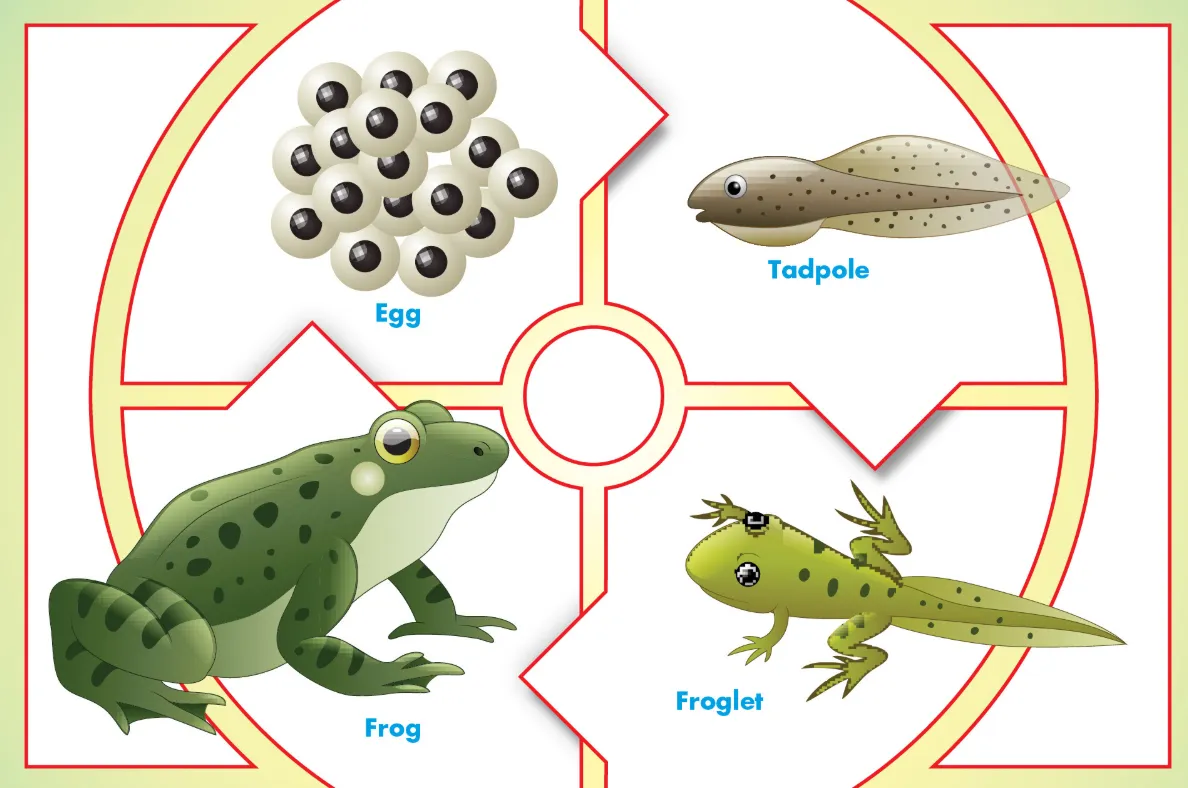
| Stage | Description |
| Egg | Laid by adult frogs in water, the egg hatches within a few days. |
| Tadpole | A tail and gills characterize the aquatic larval stage. |
| Metamorphosis | Tadpoles develop legs, lose their tails, and have their lungs replace their gills. |
| Adult Frog | Fully grown frog, capable of living both in water and on land. |

The History of Their Scientific Naming
The scientific naming of tadpoles stems from the taxonomic classification of the species they belong to. Tadpoles are typically assigned the same genus and species as their adult counterparts. For example, the tadpole of the common frog is classified as Rana temporaria, where “Rana” refers to the genus of frogs, and “temporaria” is the species name. The name “tadpole” derives from the Old English word “taddepol,” meaning “toad-head” because of their rounded, head-like appearance during the early stages.
Their Evolution and Their Origin
Tadpoles are the juvenile life stage of frogs and toads, which belong to the order Anura. The evolution of this group is closely tied to the transition of vertebrates from water to land. Early ancestors of modern amphibians, such as Ichthyostega, which lived about 360 million years ago, are thought to have had similar life stages, marking the origin of the group as one that thrives in both aquatic and terrestrial environments. Over millions of years, amphibians like frogs adapted to various environmental niches, leading to the diverse species we see today.
Tadpoles represent an ancient evolutionary strategy for amphibians to reproduce in water before fully transitioning to land as adults. Their life cycle, which includes an aquatic larval phase followed by metamorphosis into a terrestrial adult, reflects the evolutionary adaptation of amphibians to varying ecological habitats.
Their Main Food and Its Collection Process
Tadpoles are primarily herbivores, feeding mostly on algae, aquatic plants, and small microorganisms. As they grow, their diet may diversify, especially among species that become omnivorous or carnivorous in adulthood. Tadpoles use a filter-feeding method, using their mouthparts to scrape algae from rocks and vegetation in the water. Some tadpoles, especially those that mature into carnivorous adults, may begin feeding on small aquatic insects or detritus as they mature.
Key Food Sources:
- Algae
- Water plants
- Microorganisms like protozoa
- Small insects (as they mature)
This feeding behavior supports aquatic ecosystems by controlling algal growth and breaking down plant matter, thereby contributing to nutrient cycling in ponds, lakes, and streams.
Their Life Cycle and Ability to Survive in Nature
Life Cycle Overview:
The tadpole life cycle consists of several stages, starting from the egg laid by an adult frog in a suitable water body. The tadpole hatches and lives underwater, feeding and growing until it is ready to undergo metamorphosis. During metamorphosis, the tadpole develops legs, loses its tail, and begins breathing with lungs instead of gills, allowing it to transition from an aquatic to a more terrestrial lifestyle.
Adaptations for Survival:
Tadpoles are well-adapted to aquatic life. They have gills to extract oxygen from water and a tail that allows them to swim efficiently. These adaptations help them evade predators, access food, and grow until they are ready to metamorphose. Their ability to survive in various water bodies, from temporary ponds to permanent lakes, makes them resilient to environmental changes.

Their Reproductive Process and Raising Their Children
Frogs and toads exhibit a variety of reproductive behaviors depending on the species. Most frogs reproduce sexually, with males calling to attract females. Once the female selects a mate, she lays her eggs in water, usually in shallow, calm environments. After fertilization, the eggs hatch into tadpoles.
Parenting in Tadpoles:
Unlike mammals, adult frogs do not care for their offspring after the eggs are laid. The tadpoles are left to develop on their own in the water, with some species providing indirect protection by choosing safe breeding sites. In some species, males may guard the eggs or tadpoles for a brief period, but parental care is minimal.
Importance of Them in This Ecosystem
Ecological Significance:
Tadpoles play a crucial role in aquatic ecosystems. Their primary role is as herbivores, helping control algae growth and contributing to the overall health of aquatic vegetation. They also act as prey for a variety of predators, including fish, birds, and larger amphibians. As tadpoles transform into frogs, they remain an integral part of the ecosystem by controlling insect populations and serving as food for various animals.
Additionally, tadpoles contribute to nutrient cycling in aquatic habitats by breaking down organic material and releasing nutrients that support plant and other organism growth.
What to Do to Protect Them in Nature and Save the System for the Future
- Preserve aquatic habitats: Protect natural water bodies from pollution and habitat destruction to ensure tadpoles have clean, safe environments for development.
- Control invasive species: Invasive plants and animals can disrupt the delicate balance of aquatic ecosystems, affecting tadpole populations. Control measures are essential.
- Reduce pesticide use: Pesticides can contaminate water sources and harm tadpoles and larger amphibian populations.
- Educate communities: Raise awareness of the importance of tadpoles and their role in ecosystems to promote conservation efforts.

Frequently Asked Questions (FAQs)
- How long do tadpoles stay in their larval form?
- Tadpoles typically remain in their larval form for a few weeks to several months, depending on the species and environmental factors.
- What is the difference between tadpoles and larvae?
- All tadpoles are larvae, but larvae can refer to the juvenile stage of any amphibian or insect, while tadpoles specifically refer to the juvenile stage of frogs and toads.
- Can tadpoles live in any water?
- Tadpoles generally require clean, fresh water to survive, with specific conditions for oxygen levels and food sources.
- Do tadpoles need to be kept in water?
- Yes, tadpoles are aquatic animals and need water to survive through their larval stages.
- What happens if a tadpole is removed from water too early?
- Removing a tadpole from water too early can lead to dehydration and death, as tadpoles rely on water for respiration and nourishment.
- Do tadpoles change color as they grow?
- Some tadpoles may change color as they mature, depending on the species and environmental conditions.
- Are all tadpoles herbivores?
- Most tadpoles are herbivores, but some species become omnivores or carnivores as they mature into adult frogs.
- How do tadpoles breathe?
- Tadpoles breathe through gills during their early life stages, but as they mature, they develop lungs and transition to air breathing.
Conclusion
The tadpole life cycle is a remarkable transformation that illustrates the complexity of nature’s processes. From a small, aquatic creature to a fully formed frog or toad, this life cycle showcases the adaptive strategies that amphibians use to thrive in both aquatic and terrestrial environments.
Understanding the importance of tadpoles in ecosystems and the challenges they face due to habitat loss and pollution is crucial for their conservation. By protecting their habitats and fostering awareness, we can ensure the survival of these fascinating creatures for generations to come.
Also Read: red panda life cycle
About the Author