The painted lady butterfly’s life cycle is one of the most fascinating transformations in nature. Known scientifically as Vanessa cardui, the painted lady butterfly is among the most widespread butterfly species in the world. From tiny eggs to vibrant, migrating adults, each stage of its life showcases remarkable adaptability and beauty.
This butterfly species thrives across continents, including Asia, Africa, Europe, and North America. Its ability to migrate long distances and survive diverse climates makes it of interest to researchers and nature enthusiasts alike.
Understanding the painted lady butterfly life cycle not only helps us appreciate biodiversity but also highlights the importance of conservation efforts.
Quick Answers (Most Common Questions)
1. How long is the painted lady butterfly’s life cycle?
The complete life cycle typically takes 3 to 4 weeks, depending on environmental conditions.
2. What do painted lady butterfly caterpillars eat?
They primarily feed on thistles, mallows, and hollyhocks.
3. How long does a painted lady butterfly live?
The average painted lady butterfly life span is about 2 to 4 weeks as an adult.
Quick Life Cycle Table
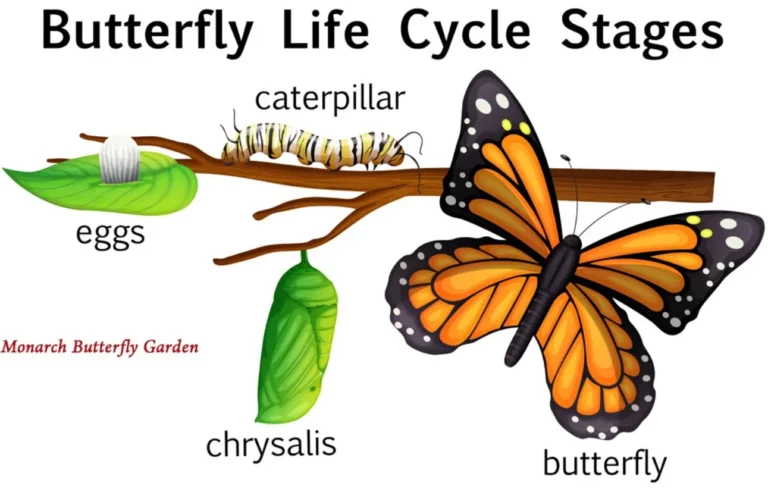
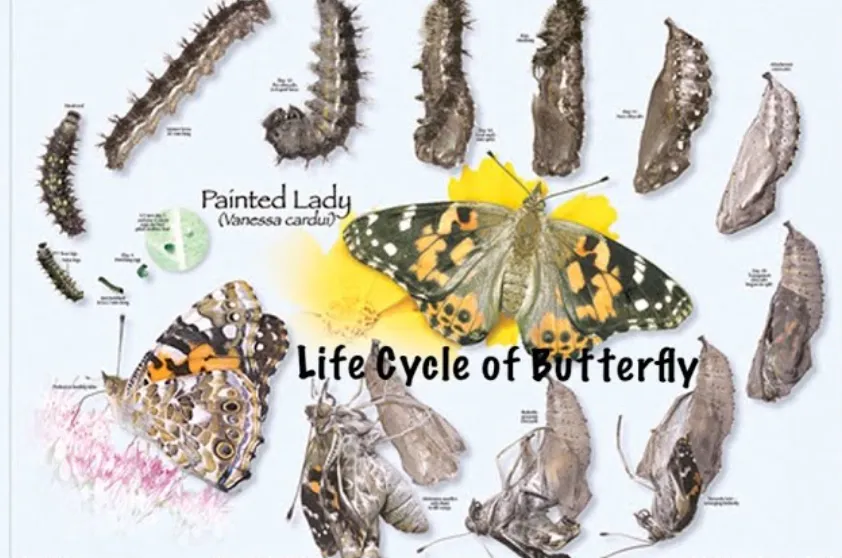
| Stage | Duration | Key Characteristics |
| Egg | 3–5 days | Tiny, green, and lay on host plants |
| Larva (Caterpillar) | 10–14 days | Rapid growth feeds heavily on leaves |
| Pupa (Chrysalis) | 7–10 days | Transformation stage, hangs upside down |
| Adult Butterfly | 2–4 weeks | Reproduction, migration, pollination |

The History Of Their Scientific Naming
The painted lady butterfly holds a rich scientific history tied to early entomology studies.
- Scientific Name: Vanessa cardui
- First described by Carl Linnaeus in 1758, the father of modern taxonomy.
- The genus Vanessa includes several colorful butterflies, but Vanessa cardui stands out for its global distribution.
- The name “cardui” comes from the Latin word “carduus,” meaning thistle, reflecting its preferred host plant.
- Over time, scientists categorized related species, such as the American painted lady butterfly (Vanessa virginiensis), distinguishing them based on wing patterns and habitat.
- Historical records show that this species has been observed migrating for centuries, making it one of the earliest documented migratory insects.
- Its classification has remained stable due to consistent morphological traits.
This naming history reflects both its ecological importance and scientific recognition.
Their Evolution And Their Origin
The painted lady butterfly is believed to have originated millions of years ago, evolving alongside flowering plants. Its widespread presence suggests a highly successful evolutionary strategy.
Unlike many butterflies, which are limited to specific regions, the painted lady has evolved traits that allow it to thrive globally. Fossil evidence and genetic studies indicate that this species adapted during periods of climatic change, which shaped its migratory behavior.
One of the most remarkable evolutionary traits is its ability to migrate long distances. Painted lady butterflies can travel thousands of kilometers, even crossing oceans and deserts. This ability helps them escape harsh climates and find abundant food sources.
Another key evolutionary advantage is their flexible diet. While many butterflies depend on specific plants, painted lady caterpillars can feed on a wide variety of host plants. This adaptability increases survival rates in different ecosystems.
Their wing structure also evolved for endurance. The strong, lightweight wings enable sustained flight over long distances. Additionally, their coloration serves both as camouflage and as a warning to predators.
Overall, the painted lady butterfly’s evolution reflects resilience, adaptability, and ecological balance, making it one of the most successful butterfly species in the world.
Important Things That You Need To Know
The painted lady butterfly is not just beautiful—it’s incredibly unique in behavior and survival.
The painted lady butterfly’s life cycle is fast and efficient, allowing multiple generations in a single year. This is one reason why their populations can grow quickly during favorable conditions.
The painted lady butterfly lays tiny, green eggs individually on host plants. This reduces competition among larvae and increases survival chances.
Interesting painted lady butterfly facts include their ability to migrate over 12,000 km and their presence on every continent except Antarctica.
The painted lady butterfly’s life span may seem short, but during that time, they play a vital role in pollination and reproduction.
The American painted lady butterfly is a close relative, often confused with Vanessa cardui, but it differs slightly in wing patterns and habitat preferences.
Their Main Food and Its Collection Process
Painted lady butterflies have different dietary needs depending on their life stage.
Caterpillar Diet
- Feed mainly on thistles, mallows, and nettles
- Consume large amounts of leaves for rapid growth
- Build silk shelters on plants for protection
Adult Butterfly Diet
- Drink nectar from flowers such as asters, daisies, and sunflowers
- Prefer brightly colored flowers rich in nectar
- Use a long proboscis to extract nectar
Food Collection Process
- Locate food using visual cues and scent receptors
- Land on flowers and uncoil their proboscis
- Absorb liquid nectar efficiently
Survival Strategy
- A flexible diet helps them survive in different regions
- The ability to adapt to available plants increases resilience
This diverse feeding behavior plays a crucial role in their survival and ecological contribution.

Their Life Cycle and Ability to Survive in Nature
Egg Stage
Female butterflies lay eggs on host plants. These eggs hatch within a few days.
Larva Stage
Caterpillars emerge and begin feeding immediately. They grow rapidly and molt several times.
Pupa Stage
The caterpillar forms a chrysalis. Inside, it undergoes complete metamorphosis.
Adult Stage
The butterfly emerges, dries its wings, and begins to fly, feed, and reproduce.
Survival Abilities
- Migration helps avoid extreme climates
- Camouflage protects against predators
- Rapid reproduction ensures population stability
- Flexible diet supports survival in diverse environments
This life cycle is a perfect example of nature’s efficiency and adaptability.
Their Reproductive Process and Raising Their Children
Painted lady butterflies have a highly effective reproductive system.
- Females lay hundreds of eggs during their lifetime
- Eggs are placed individually to reduce competition
- Select host plants carefully to ensure food availability
Raising Their Young
- No parental care after egg-laying
- Caterpillars are independent from birth
- Survival depends on environmental conditions
Mating Process
- Males locate females using pheromones
- Courtship involves flight displays
- Fertilization occurs quickly
Growth Strategy
- Rapid development reduces exposure to predators
- Multiple generations per year increase survival chances
This reproductive strategy ensures the species’ continuity despite environmental challenges.
Importance of Them in this Ecosystem
Pollination Role
Painted lady butterflies help pollinate flowers, supporting plant reproduction.
Food Chain Contribution
They serve as food for birds, spiders, and other predators.
Biodiversity Indicator
Their presence indicates a healthy ecosystem.
Migration Impact
Their long migrations connect ecosystems across continents.
Environmental Balance
They contribute to maintaining ecological stability.
Their role is essential in sustaining biodiversity and ecosystem health.
What to Do to Protect Them in Nature and Save the System for the Future
- Plant native flowering plants to provide nectar
- Avoid using harmful pesticides
- Protect natural habitats and wildflowers
- Support butterfly gardens and conservation programs
- Educate communities about the importance of butterflies
- Reduce pollution and environmental damage
- Encourage organic farming practices
- Create safe migration corridors
These actions can significantly help preserve the painted lady butterfly population.

Frequently Asked Questions (FAQs)
1. What is the painted lady butterfly’s life cycle duration?
It usually takes about 3–4 weeks from egg to adult.
2. Where are painted lady butterflies found?
They are found worldwide except in Antarctica.
3. What do painted lady butterfly eggs look like?
They are small, green, and laid on leaves.
4. How far can painted lady butterflies migrate?
They can travel over 12,000 km.
5. What is the painted lady butterfly’s life span?
Adults live around 2–4 weeks.
6. What plants do they prefer?
Thistles, mallows, and nectar-rich flowers.
7. How is the American painted lady butterfly different?
It has distinct wing markings and is found in North America.
8. Why are they important?
They aid pollination and support ecosystems.
Conclusion
The painted lady butterfly’s life cycle is a remarkable journey of transformation, resilience, and survival. From tiny eggs to vibrant adults, each stage plays a crucial role in maintaining ecological balance.
These butterflies are not only beautiful but also essential pollinators that support plant life and biodiversity. Their ability to migrate long distances and adapt to diverse environments makes them among the most successful species on Earth.
However, environmental threats such as habitat loss and pesticide use pose significant risks. By taking simple conservation steps, we can help protect these incredible creatures.
Understanding their life cycle deepens our appreciation of nature and reminds us of our responsibility to preserve it for future generations.
Also Read: maggot cheese
About the Author