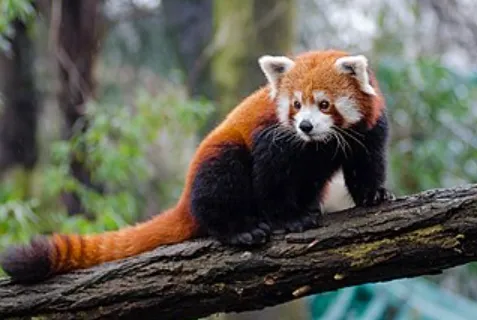
The red panda’s life cycle is a fascinating journey that highlights survival, adaptation, and the delicate balance of nature. Native to the Eastern Himalayas and southwestern China, red pandas are small, tree-loving mammals known for their reddish fur, bushy tails, and gentle behavior. Despite their name, they are not closely related to giant pandas but belong to their own unique family, Ailuridae.
Understanding the red panda life cycle helps conservationists and wildlife enthusiasts protect these endangered animals. From birth as fragile cubs to adulthood in dense forests, each stage plays a crucial role in their survival.
Red pandas face threats such as habitat loss and climate change, making awareness more important than ever. In this guide, you’ll explore their life stages, diet, reproduction, and ecological importance—along with interesting facts and conservation tips.
🔎 Quick Answers (Most Common Questions)
1. How long do red pandas live?
Red pandas typically live 8–10 years in the wild and up to 15 years in captivity.
2. What do baby red pandas look like?
A baby red panda is born blind, tiny, and covered in soft grayish fur that turns reddish as it grows.
3. What is the main stage of the red panda’s life cycle?
The main stages include birth, cub development, juvenile phase, adulthood, and reproduction.
Quick Life Cycle Table
| Life Stage | Duration | Key Characteristics |
| Birth (Cub) | 0–3 months | Blind, dependent on mother |
| Infant | 3–6 months | Eyes open, begins crawling |
| Juvenile | 6–12 months | Learns climbing and foraging |
| Sub-Adult | 1–2 years | Gains independence |
| Adult | 2–8+ years | Reproduction and survival |
| Aging Stage | 8–15 years | Reduced activity, slower metabolism |
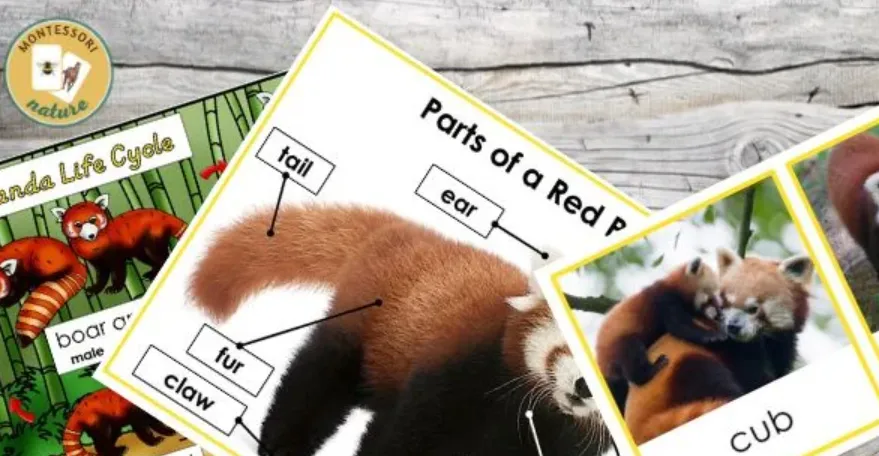
The History Of Their Scientific Naming
The scientific naming of the red panda reflects its unique identity and evolutionary history.
- The red panda is scientifically named Ailurus fulgens, meaning “shining cat.”
- It was first described in 1825 by French zoologist Frédéric Cuvier.
- The genus name Ailurus comes from the Greek word meaning “cat,” due to its feline-like features.
- The species name fulgens refers to its bright reddish coat.
- Initially, scientists classified red pandas with raccoons because of their ringed tails.
- Later, some believed they were related to bears due to similarities with giant pandas.
- Modern genetic studies confirmed that red pandas belong to their own unique family, Ailuridae.
This classification highlights how distinct the red panda is from other mammals, making it one of nature’s most intriguing species.
Their Evolution And Their Origin
The evolutionary history of the red panda stretches back millions of years, offering insight into its unique traits and survival strategies. Fossil records suggest that the red panda’s ancestors lived across North America, Europe, and Asia around 25 million years ago.
Over time, climate changes and habitat shifts forced these early relatives to migrate and adapt. Eventually, only populations in the Himalayan region survived, leading to the modern red panda we see today.
Unlike other carnivorous species, red pandas evolved to rely heavily on bamboo, as do giant pandas. However, they are not closely related. This is an example of convergent evolution, in which different species independently develop similar traits.
Their semi-retractable claws, flexible ankles, and bushy tails evolved to help them navigate forest canopies. These adaptations allow them to live almost entirely in trees, avoiding predators and harsh ground conditions.
Interestingly, their “false thumb” (an extended wrist bone) helps them grip bamboo efficiently. This evolutionary feature is also seen in giant pandas, despite their distant relationship.
Today, red pandas are considered a “living fossil,” representing an ancient lineage that has survived through dramatic environmental changes. Their evolution showcases resilience but also highlights their vulnerability in a rapidly changing world.
Their Main Food and Its Collection Process
Red pandas are primarily herbivorous, though they belong to the carnivore order. Their diet is highly specialized.
🌿 Main Food Sources
- Bamboo leaves and shoots (about 85–95% of diet)
- Fruits, berries, and acorns
- Mushrooms and roots
- Occasionally, insects and small animals
🐾 Food Collection Process
- Red pandas forage mostly during dawn and dusk.
- They use their sharp claws to grip bamboo stems.
- Their “false thumb” helps hold and strip bamboo leaves.
- They chew slowly due to their low metabolic rate.
- They may climb trees to access fruits or avoid competition.
⚡ Adaptation to Diet
- Despite eating bamboo, they have a simple digestive system.
- They must consume large amounts daily (20–30% of body weight).
- Their slow metabolism helps conserve energy.
This unique feeding strategy is essential for survival but also makes them vulnerable to habitat loss.
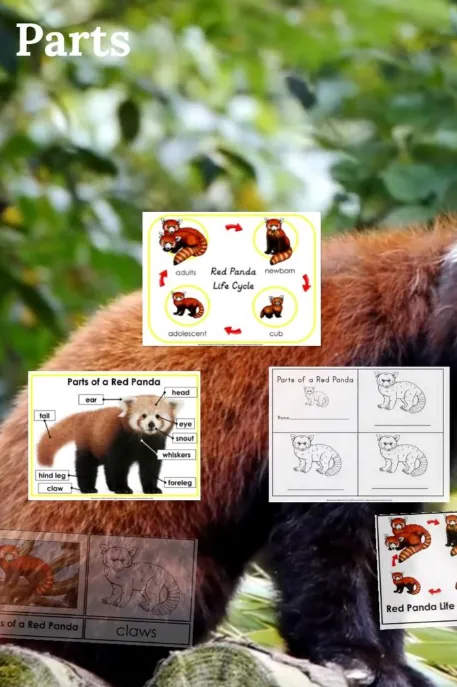
Important Things That You Need To Know
The red panda is not just biologically fascinating but also culturally popular. Let’s explore key insights using LSI keywords.
🐼 Red Panda Facts and More
The red panda is often mistaken for a raccoon or a small fox, but it belongs to its own unique family. One of the most interesting red panda facts is that they spend most of their lives in trees, sleeping up to 17 hours a day.
A baby red panda is extremely delicate and depends entirely on its mother for the first few months. These cubs grow quickly and begin exploring their surroundings within weeks.
The popularity of red pandas has increased through media, including the red panda Disney character from movies like Turning Red, which has made them more recognizable worldwide.
In addition, the concept of a red panda performer has gained attention in zoos and conservation programs, where trained behaviors help educate visitors about wildlife protection.
Artists and wildlife lovers also enjoy creating a red panda drawing, capturing their adorable expressions and fluffy tails. These artistic representations help spread awareness about their endangered status.
Understanding these aspects helps people connect emotionally with red pandas, encouraging conservation efforts.
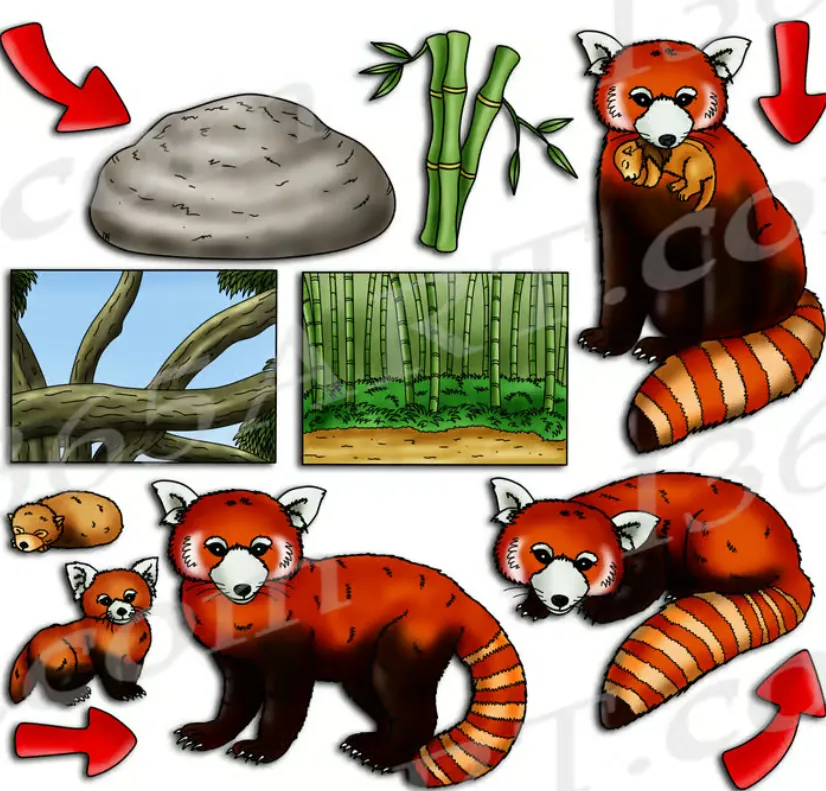
Their Life Cycle and Ability to Survive in Nature
🐾 Birth Stage
Red panda cubs are born in nests made of leaves and moss.
They are blind and completely dependent on their mother.
🌱 Growth and Development
Within a few weeks, cubs open their eyes and begin to explore.
They develop climbing skills essential for survival.
🌳 Juvenile Stage
Young red pandas learn to forage and avoid predators.
They stay with their mother for about a year.
🐼 Adult Stage
Adults become solitary and territorial.
They rely on dense forests for food and shelter.
⚡ Survival Abilities
- Excellent climbers to escape predators
- Camouflage through reddish fur
- Thick tails for warmth in cold climates
These adaptations allow red pandas to survive in harsh mountainous environments.
Their Reproductive Process and Raising Their Children
Red pandas have a seasonal breeding cycle that ensures cubs are born during favorable conditions.
🐾 Reproductive Process
- Mating season occurs between January and March
- Females give birth after a gestation period of 112–158 days
- Usually, 1–4 cubs are born per litter
👶 Raising the Cubs
- Mothers build nests in tree hollows or dense vegetation
- Cubs remain hidden for the first few weeks
- Mothers frequently move cubs to protect them from predators
- Cubs are weaned at around 5 months
- Independence is reached at 8–12 months
❤️ Parental Care
- Only the mother is involved in raising the young
- She spends most of her time feeding and protecting them
This nurturing process is crucial for the survival of the next generation.
Importance of Them in this Ecosystem
🌿 Maintaining Forest Balance
Red pandas help regulate bamboo growth by consuming large amounts of it.
🌱 Seed Dispersal
They spread seeds through their droppings, promoting plant diversity.
🐾 Indicator Species
Their presence indicates a healthy forest ecosystem.
🌍 Biodiversity Support
They coexist with other species, contributing to ecological balance.
Without red pandas, forest ecosystems could become unstable over time.
What to Do to Protect Them in Nature and Save the System for the Future
- 🌳 Protect and restore forest habitats
- 🚫 Stop illegal hunting and poaching
- 🌿 Promote sustainable bamboo harvesting
- 🏞️ Support wildlife conservation programs
- 📚 Educate communities about the red panda’s importance
- 🌎 Reduce climate change impacts
- 🐼 Support eco-tourism initiatives
- 🛑 Prevent deforestation and land conversion
Taking these actions can ensure the survival of red pandas for future generations.
Frequently Asked Questions (FAQs)
1. What is the lifespan of a red panda?
They live around 8–10 years in the wild.
2. Where do red pandas live?
They are found in the Himalayas and parts of China.
3. Are red pandas endangered?
Yes, they are classified as endangered.
4. What do red pandas eat?
Mostly bamboo, along with fruits and insects.
5. How many babies do red pandas have?
Usually 1–4 cubs per litter.
6. Can red pandas climb trees?
Yes, they are excellent climbers.
7. Are red pandas related to giant pandas?
No, they are not closely related.
8. Why are red pandas important?
They help maintain forest ecosystems.
Conclusion
The red panda life cycle is a remarkable journey that reflects resilience, adaptation, and ecological importance. From tiny, helpless cubs to skilled tree-dwelling adults, each stage highlights their ability to survive in challenging environments.
Despite their unique adaptations, red pandas face serious threats from habitat destruction and climate change. Understanding their life cycle, diet, and reproductive behavior helps us appreciate their role in maintaining forest ecosystems.
By protecting their habitats and raising awareness, we can ensure that future generations continue to witness these charming animals in the wild. Conservation is not just about saving a species—it’s about preserving the balance of nature itself.
Also Read: lion life cycle
About the Author