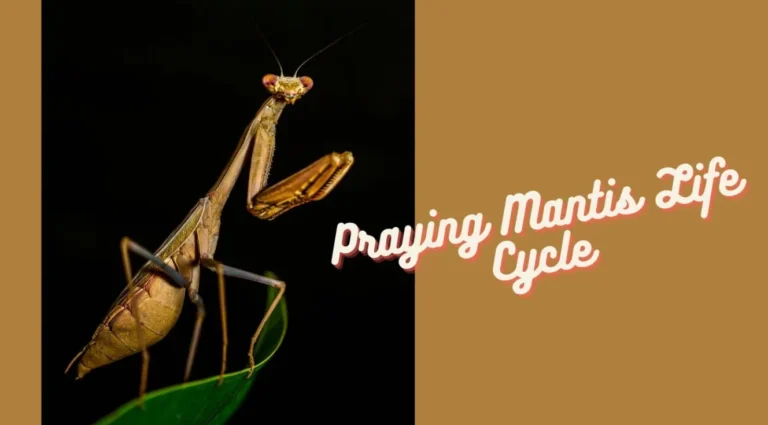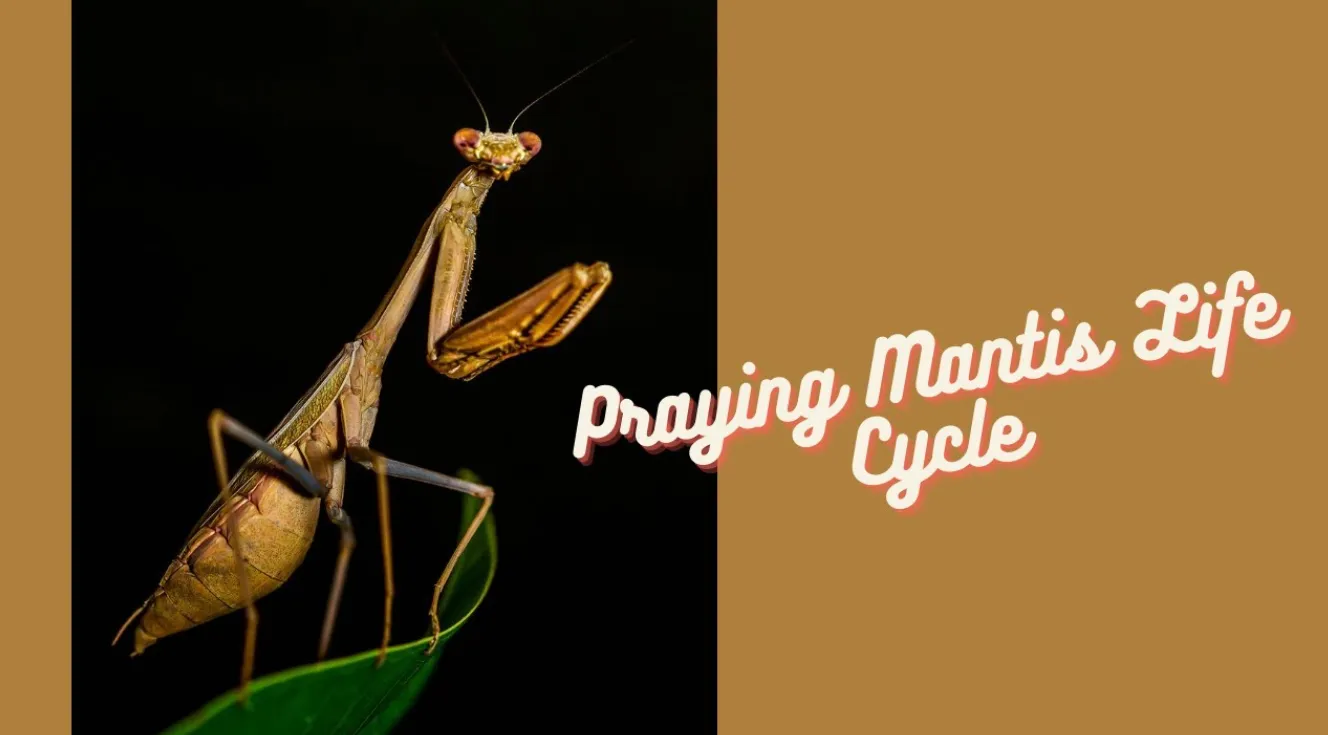
The mantis life cycle is one of the most fascinating transformations in the insect world. From tiny eggs hidden in protective cases to stealthy adult predators, mantises (often called praying mantises) undergo a gradual metamorphosis that highlights survival, adaptation, and precision hunting.
These insects are widely admired for their triangular heads, powerful front legs, and incredible patience while hunting. Whether you’re observing a garden Mantis, an exotic orchid mantis, or even comparing them to creatures like mantis shrimp, understanding their life cycles offers deep insight into their role in nature.
Quick Answers (Most Common Questions)
1. How long is the mantis’ life cycle?
The mantis life cycle typically lasts 6 months to 1 year, depending on species and climate.
2. Do mantises undergo complete metamorphosis?
No, mantises undergo incomplete metamorphosis, meaning they develop through egg → nymph → adult stages.
3. How many eggs does a mantis lay?
A female mantis can lay 100–300 eggs in a protective egg case called an ootheca.
Understanding these basics helps you appreciate why mantises are such effective predators and vital contributors to ecosystems.
Quick Life Cycle Table
| Stage | Description | Duration | Key Features |
| Egg (Ootheca) | Eggs are laid in a foam-like protective casing | 3–10 weeks | Protection from weather & predators |
| Nymph | Miniature mantis without wings | 2–5 months | Moults multiple times |
| Adult | Fully developed mantis with wings | 3–6 months | Reproduction & hunting peak |
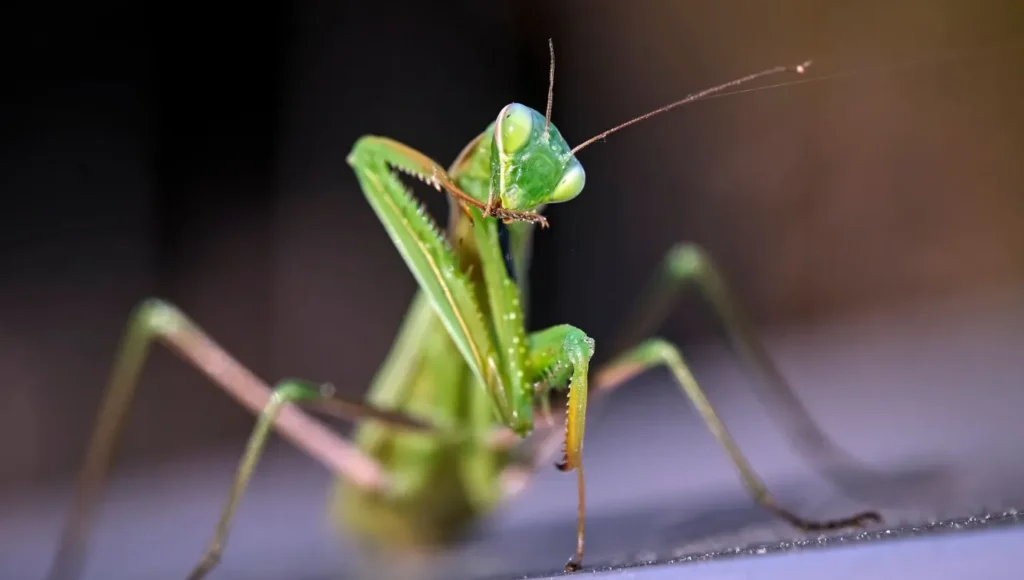
The History Of Their Scientific Naming
The scientific naming of mantises has a rich history rooted in early biological classification systems.
- The term “mantis” comes from the Greek word mantikos, meaning “prophet” or “seer,” inspired by their prayer-like posture.
- The most commonly known species, Mantis religiosa, was named by Carl Linnaeus in 1758, a pioneer of modern taxonomy.
- Mantises belong to the order Mantodea, which includes over 2,400 species worldwide.
- Scientists classified mantises based on their raptorial forelegs, elongated thorax, and triangular head structure.
- Over time, new species like the orchid mantis and celestial mantis have been identified and categorised based on morphology and behaviour.
This naming evolution reflects both their physical uniqueness and their cultural symbolism across civilisations.
Their Evolution And Their Origin
Mantises have an evolutionary history that dates back over 100 million years, making them one of the oldest insect lineages still thriving today.
Fossil evidence suggests that early mantis ancestors lived during the Cretaceous period. These primitive mantises were already developing the key features we see today—such as grasping forelegs and mobile heads.
Over millions of years, mantises evolved into highly specialised predators. Their camouflage abilities became more refined, allowing species like the orchid mantis to mimic flowers and ambush prey. Others adapted to different environments, from tropical forests to dry grasslands.
Their evolution also highlights convergent traits with unrelated species. For example, while not closely related, the mantis shrimp evolved powerful striking appendages, showing how different organisms can develop similar survival strategies.
Mantises survived mass extinction events due to their adaptability, diet flexibility, and reproductive efficiency. Today, they are found on almost every continent except Antarctica.
Their evolutionary success lies in three main traits:
- Exceptional camouflage
- Efficient predation techniques
- High reproductive output
These traits ensure their continued survival in diverse ecosystems.
Their main food and its collection process
Mantises are carnivorous predators, relying entirely on live prey for survival.
🥗 Main Food Sources
- Insects (flies, crickets, moths)
- Spiders
- Small reptiles (in rare cases)
- Even small birds (observed in larger species)
🎯 Hunting and Collection Process
- Ambush Strategy: Mantises remain perfectly still, blending into their environment.
- Camouflage: Species like the orchid mantis resemble flowers to attract prey.
- Rapid Strike: Their forelegs snap forward in milliseconds to grab prey.
- Strong Grip: Spines on their legs prevent escape.
- Consumption: They start eating prey while it’s still alive to maximise nutrient efficiency.
Unlike active hunters, mantises conserve energy by waiting patiently. This strategy allows them to survive even in environments where food is scarce.
Their life cycle and ability to survive in nature
🥚 Egg Stage (Ootheca)
The life cycle begins when the female lays eggs in a protective case called an ootheca. This foam-like structure hardens, shielding the eggs from predators and harsh weather.
🐛 Nymph Stage
Once hatched, tiny mantises emerge as nymphs. They resemble miniature adults but lack wings.
- They moult multiple times
- Each moult increases size and strength
- The survival rate is low due to predation
🦗 Adult Stage
After several moults, mantises reach adulthood.
- Fully developed wings
- Capable of reproduction
- Peak hunting efficiency
🌱 Survival Abilities
Mantises are incredibly resilient due to:
- Camouflage techniques
- Ability to remain motionless for hours
- Efficient hunting strategies
- Rapid reproductive cycles
These abilities ensure they thrive in diverse ecosystems.
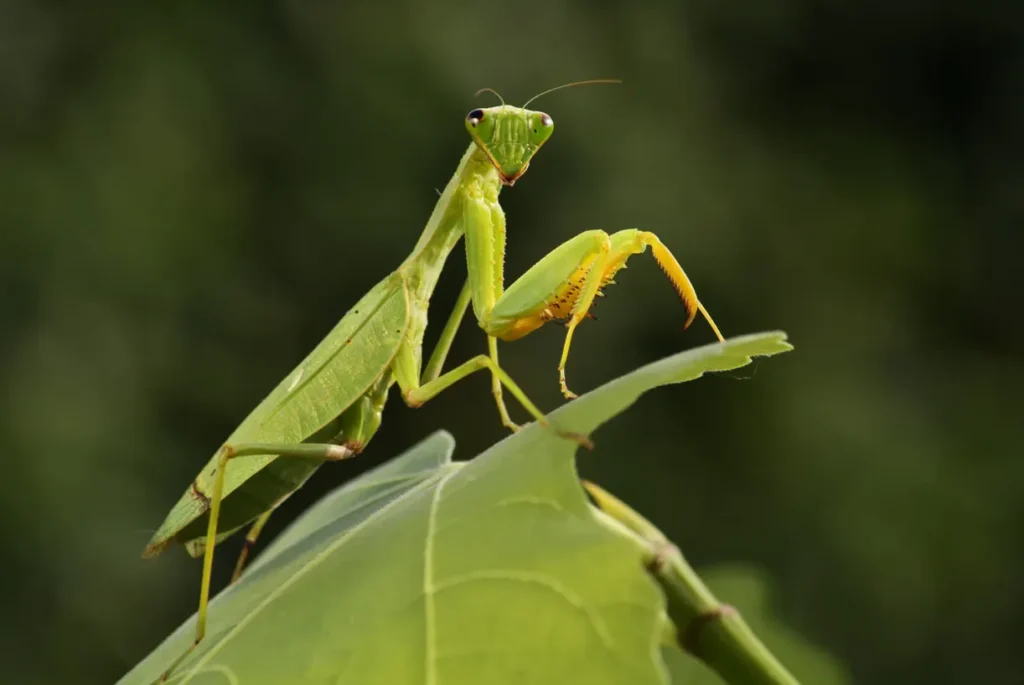
Their Reproductive Process and raising their children
Mantises have one of the most intriguing reproductive behaviours in the insect world.
🧬 Reproductive Process
- Mating typically occurs in late summer or early autumn
- The female releases pheromones to attract males
- In some cases, sexual cannibalism occurs (female eats male)
🥚 Egg Laying
- A female lays eggs in an ootheca
- Each ootheca contains up to 300 eggs
- Deposited on branches, leaves, or surfaces
👶 Raising Their Young
- No parental care after egg laying
- Nymphs are independent immediately after hatching
- High mortality rate due to predators and competition
Despite the lack of parental care, their high egg count ensures species survival.
The importance of them in this Ecosystem
🌍 Natural Pest Control
Mantises help control pest populations by feeding on harmful insects.
🧬 Biodiversity Balance
They maintain ecological balance by acting as both predator and prey.
🌱 Agricultural Benefits
Farmers benefit from mantises as they reduce the need for chemical pesticides.
🐦 Food Source
They are also prey for birds, reptiles, and other animals, contributing to the food chain.
Mantises are essential for sustaining healthy ecosystems.
Important Things That You Need To Know
The world of mantises is incredibly diverse, and several fascinating species and related creatures deserve attention.
The mantis shrimp is not a true mantis but shares a similar hunting style. Known for its powerful punch, the mantis shrimp punch can break shells and even aquarium glass.
Another stunning species is the orchid mantis, which mimics flowers to lure prey. Similarly, the lotus mantis and celestial mantis showcase incredible camouflage abilities.
The peacock mantis shrimp is famous for its vibrant colours and advanced vision, which enables it to see a wider range of colours than humans.
Even internet culture has embraced mantises, with terms like “rawrr mantis” gaining popularity in memes and on social media.
What to do to protect them in nature and save the system for the future
- 🌿 Reduce pesticide use to protect their natural habitat
- 🌍 Promote organic farming practices
- 🏡 Create mantis-friendly gardens with native plants
- 🚫 Avoid destroying egg cases (ootheca)
- 📚 Educate others about their ecological importance
- 🌱 Support conservation programs
- 🐛 Maintain biodiversity in local ecosystems
- 🌾 Preserve natural habitats like forests and grasslands
Protecting mantises helps maintain ecological balance and supports sustainable agriculture.
Frequently Asked Questions (FAQs)
1. What is the mantis’ life cycle?
It includes egg, nymph, and adult stages.
2. How many stages are in a mantis’ life cycle?
Three main stages: egg, nymph, and adult.
3. Do mantises change form drastically?
No, they undergo incomplete metamorphosis.
4. What is an ootheca?
A protective egg case laid by female mantises.
5. How long do mantises live?
Typically 6–12 months.
6. Are mantis shrimp related to mantises?
No, they are different species despite similar names.
7. Why do female mantises eat males?
To gain nutrients for egg production.
8. Are mantises beneficial to humans?
Yes, they help control pests naturally.
Conclusion
The mantis life cycle is a remarkable journey of transformation, survival, and adaptation. From the protective ootheca stage to the agile and deadly adult predator, mantises demonstrate nature’s efficiency and balance.
Their ability to hunt, camouflage, and reproduce effectively makes them one of the most successful insect species on Earth. Beyond their fascinating biology, mantises play a crucial role in maintaining ecosystems by controlling pest populations and supporting biodiversity.
Understanding their life cycle not only deepens our appreciation for these incredible insects but also highlights the importance of protecting them. By preserving their habitats and reducing harmful human activities, we ensure that future generations can continue to witness the beauty and importance of mantises in nature.
Also Read: life cycle.of a pumpkin
About the Author