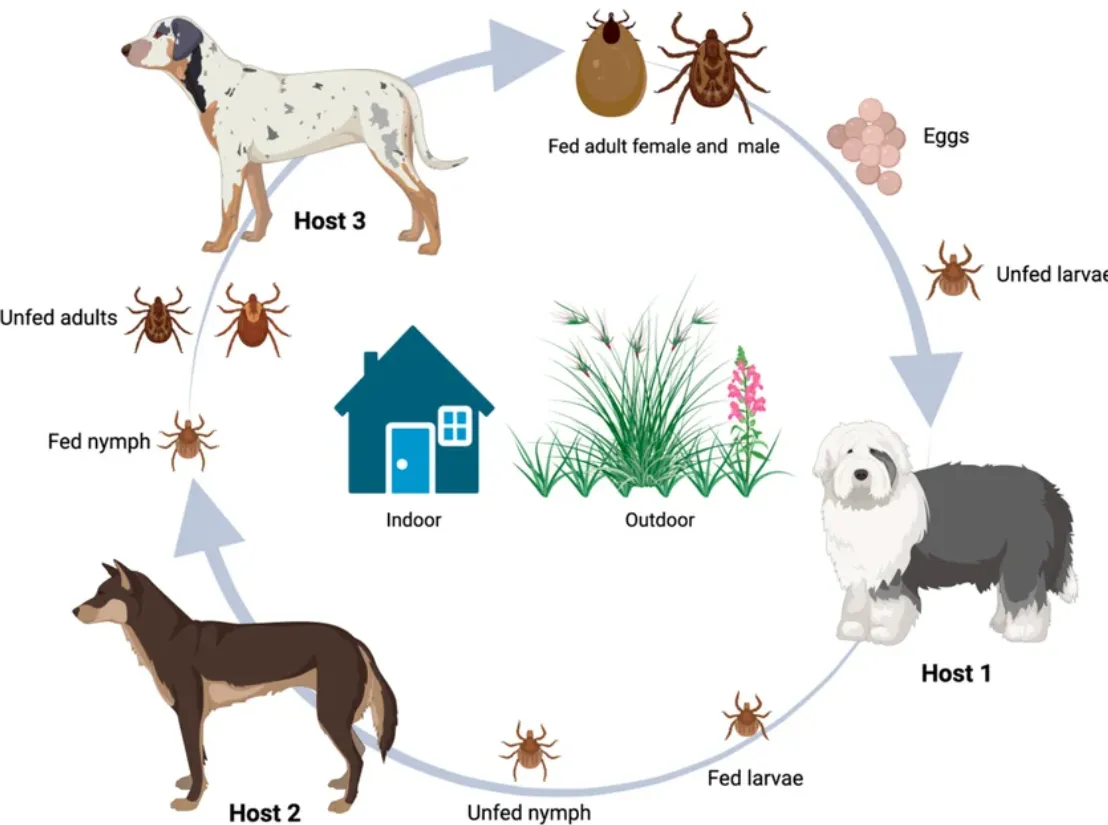
Ticks are tiny, blood-feeding parasites that play a surprisingly complex role in nature. Despite their small size, they have a massive impact on ecosystems, animals, and even human health. Understanding the life cycle of ticks is essential for anyone who owns pets, enjoys outdoor activities, or studies wildlife.
Ticks belong to the arachnid family, making them relatives of spiders and mites. They are known for attaching themselves to hosts such as dogs, deer, birds, and humans. Once attached, they feed on blood, which allows them to grow, reproduce, and continue their life cycle.
In recent years, the spread of ticks has increased due to climate change, deforestation, and rising global temperatures. As of 2026, tick populations are expanding into new regions, increasing the risk of diseases such as Lyme disease and tick-borne encephalitis. This makes understanding their behavior more important than ever.
Ticks go through multiple life stages, starting from eggs and progressing through larvae, nymphs, and adults. Each stage requires a blood meal to survive and develop. Interestingly, some ticks can live for years without feeding, making them incredibly resilient.
For pet owners, especially dog owners, ticks are a common concern. Issues like embedded fully ticks on dogs or finding seed ticks (tiny larvae) can be alarming. Knowing how ticks grow and survive can help you prevent infestations and protect your pets effectively.
In this article, we will explore their evolution, scientific classification, life cycle, reproduction, ecological importance, and how we can maintain balance in nature while managing their risks.
Their Evolution And Their Origin
Ticks have a long evolutionary history that dates back millions of years. Fossil evidence suggests that ticks existed during the time of the dinosaurs, making them among the oldest parasitic organisms still thriving today.
Scientists believe ticks evolved from free-living mites. Over time, these organisms adapted to a parasitic lifestyle, developing specialized mouthparts designed for piercing skin and feeding on blood. This adaptation gave them a survival advantage, allowing them to access a consistent food source.
Ancient Origins
Ticks are thought to have originated over 100 million years ago. Fossils preserved in amber show that early ticks already had many of the features seen in modern species. This indicates that their basic structure has remained largely unchanged.
Adaptation to Hosts
As mammals and birds evolved, ticks adapted alongside them. They developed the ability to detect heat, carbon dioxide, and vibrations, which helps them locate hosts efficiently. This co-evolution allowed ticks to spread across different environments.
Two Major Families
Ticks are divided into two primary families:
- Ixodidae (hard ticks) – These ticks have a hard outer shell and feed for longer periods.
- Argasidae (soft ticks) – These ticks feed quickly and do not have a hard shield.
Both families have evolved unique strategies to survive in different climates and habitats.
Global Expansion
With human migration, trade, and climate change, ticks have spread worldwide. Warmer temperatures have extended their active seasons, allowing them to reproduce more frequently.
Survival Mechanisms
Ticks have developed incredible survival skills:
- They can remain inactive for months or even years without feeding.
- They can survive extreme temperatures by entering a dormant state.
- Their small size helps them avoid predators.
Modern-Day Evolution
Today, ticks continue to evolve, especially in response to environmental changes. Some species are becoming more resistant to pesticides, making them harder to control.
Understanding their evolutionary journey helps us see why ticks are so resilient and why controlling them requires careful, informed strategies.
The History of Their Scientific Naming
The scientific classification of ticks has evolved as researchers gained a better understanding of their biology and relationships with other species.
Key Points in Scientific Naming
- Initial Classification
- Early scientists grouped ticks with insects due to their parasitic nature. However, later studies revealed they are arachnids.
- Belonging to Arachnida
- Ticks are now classified under the class Arachnida, which includes spiders, scorpions, and mites.
- Order Ixodida
- All ticks belong to the order Ixodida, which distinguishes them from other arachnids.
- Two Main Families Identified
- Scientists divided ticks into:
- Ixodidae (hard ticks)
- Argasidae (soft ticks)
- Use of Latin Names
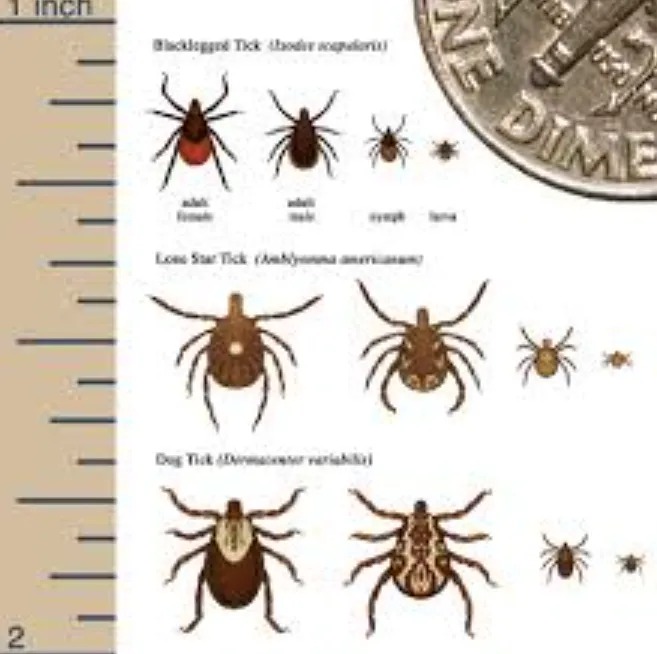
- Each tick species is given a Latin name, such as Ixodes scapularis (black-legged tick), which helps scientists communicate universally.
- Advancements with DNA Technology
- Modern genetic research has refined tick classification, helping identify new species and understand their evolution.
- Importance of Scientific Naming
- Scientific names help track disease vectors and ensure accurate identification in medical and veterinary research.
- Ongoing Discoveries
- As of 2026, new tick species are still being discovered, especially in tropical regions.
Scientific naming is crucial for understanding ticks, tracking their spread, and developing effective control methods.
Their life cycle and ability to survive in nature
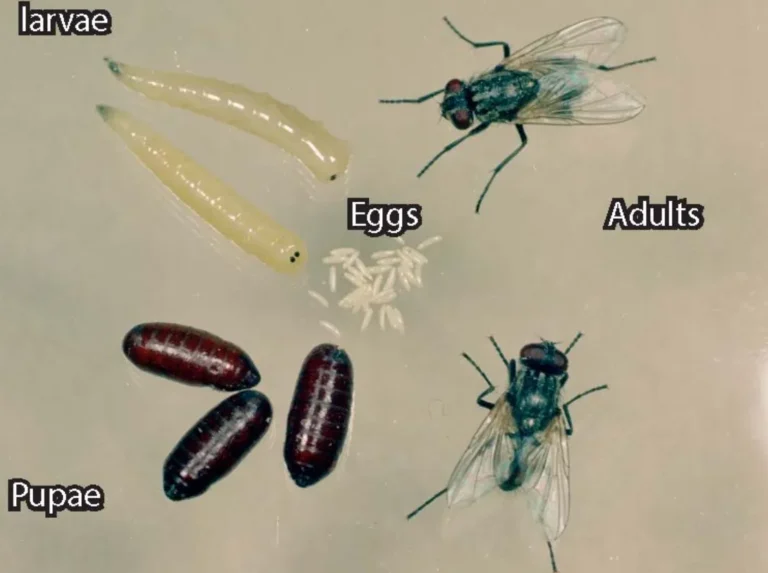
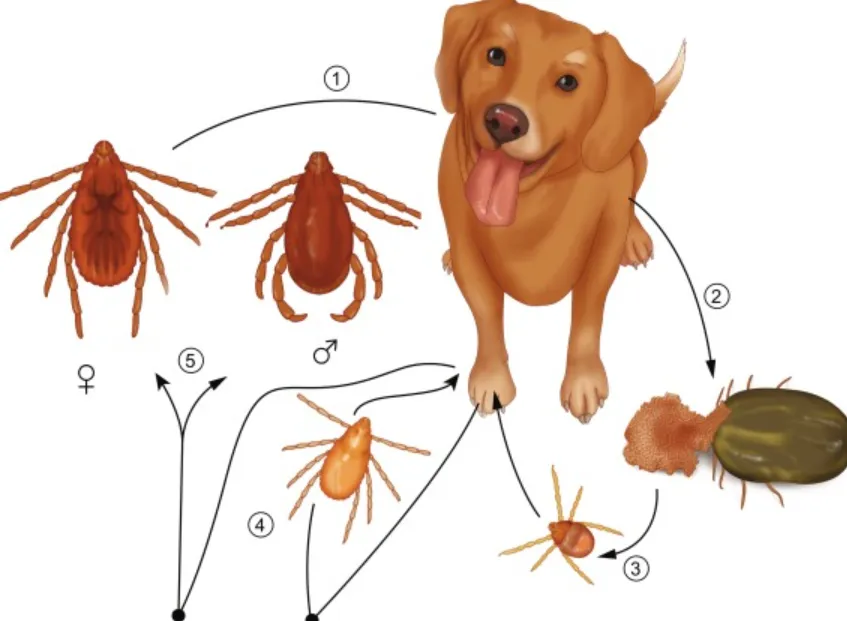
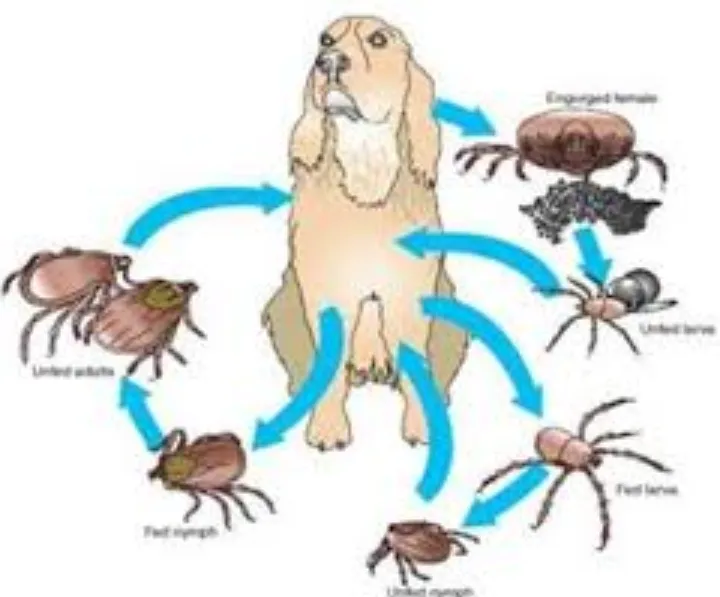
The life cycle of ticks is one of the most fascinating aspects of their biology. It consists of four main stages: egg, larva, nymph, and adult.
Stages of the Tick Life Cycle
- Egg Stage
- Female ticks lay thousands of eggs in soil, leaf litter, or vegetation. These eggs hatch into larvae.
- Larva (Seed Ticks)
- Known as seed ticks, larvae have six legs and are extremely small. They seek their first host to obtain a blood meal.
- Nymph Stage
- After feeding, larvae molt into nymphs. Nymphs have eight legs and are more active. This stage is responsible for transmitting many diseases.
- Adult Stage
- Adult ticks feed on larger hosts such as dogs, deer, or humans. Females require a blood meal to reproduce.
Survival Abilities
- Ticks can survive without feeding for months or even years.
- They can detect hosts using sensory organs that respond to heat and carbon dioxide.
- They hide in grass, bushes, and forests, waiting for a host to pass by.
Environmental Adaptation
Ticks thrive in humid environments. However, some species can adapt to dry conditions by seeking shelter.
Resilience
Their ability to pause development during unfavorable conditions makes them highly resilient. This is why tick populations are difficult to eliminate.
Their Reproductive Process and raising their children
Ticks have a unique reproductive system that ensures the survival of their species.
Reproductive Process
- Mating Behavior
- Male ticks often mate with females while they are feeding on a host.
- Blood Meal Requirement
- Female ticks need a large blood meal before laying eggs.
- Egg Production
- A single female can lay thousands of eggs at once.
- Post-Laying Death
- After laying eggs, the female tick usually dies.
Raising Their Young
- No Parental Care
- Ticks do not care for their offspring after laying eggs.
- Independent Survival
- Larvae must find hosts on their own immediately after hatching.
- High Mortality Rate
- Many larvae do not survive, but large numbers ensure the species’ survival.
- Strategic Egg Placement
- Eggs are laid in protected areas to increase survival chances.
Adaptation for Survival
Ticks rely on quantity rather than care. Their reproductive strategy ensures that even if most offspring die, enough survive to continue the life cycle.
The importance of them in the Ecosystem
Although ticks are often seen as harmful, they play an important role in ecosystems.
Key Ecological Roles
- Food Source
- Ticks serve as food for birds, reptiles, and other insects.
- Population Control
- By feeding on animals, they help regulate wildlife populations.
- Disease Regulation
- While they spread diseases, they also influence natural selection by affecting weaker animals.
- Biodiversity Balance
- Ticks contribute to maintaining ecological balance.
- Indicator Species
- Their presence can indicate environmental changes such as climate shifts.
Scientific Importance
Ticks are studied to understand disease transmission and develop medical treatments.
Despite their negative reputation, ticks are an integral part of the natural world.
Important Things That You Need To Know
Ticks are often misunderstood, especially when it comes to pets and control methods. Here are some essential insights related to LSI keywords.
Ticks can severely affect pets, particularly dogs. Issues like dog ticks and embedded ticks on dogs are common problems that require immediate attention. When ticks attach deeply, they can cause infections and transmit diseases.
Many pet owners search for solutions like those that kill ticks on dogs instantly. While chemical treatments and medications can work quickly, it’s important to use veterinarian-approved products to avoid harming your pet.
Another common concern is seed ticks, which are tiny larvae that appear in large numbers. These are especially dangerous because they can go unnoticed and spread quickly.
There are also cases where people confuse ticks with other issues, such as funding ticks, which is not biologically related but often appears in search results due to keyword overlap.
Key Takeaways
- Regularly check pets for ticks, especially after outdoor activities.
- Use preventive treatments recommended by veterinarians.
- Remove ticks carefully using proper tools.
- Keep your environment clean and trimmed to reduce tick habitats.
Understanding these aspects helps protect both pets and humans from tick-related risks.
What to do to protect them in nature and save the system for the future
While controlling ticks is important, maintaining ecological balance is equally crucial.
Protective Measures
- Preserve Natural Habitats
- Avoid excessive deforestation to maintain ecological balance.
- Promote Biodiversity
- Healthy ecosystems naturally regulate tick populations.
- Use Eco-Friendly Control Methods
- Avoid overuse of harmful pesticides.
- Support Wildlife Conservation
- Protect animals that help control tick populations.
- Educate Communities
- Spread awareness about ticks and their ecological role.
- Encourage Responsible Pet Care
- Use safe tick prevention methods for pets.
- Monitor Climate Impact
- Support research on how climate change affects tick populations.
- Maintain Clean Surroundings
- Reduce tick habitats in residential areas.
Balancing control and conservation ensures a sustainable future.
Frequently Asked Questions (FAQs)
1. What is the life cycle of ticks?
Ticks go through four stages: egg, larva, nymph, and adult, each requiring a blood meal.
2. How long can ticks live without feeding?
Some ticks can survive for months or even years without a blood meal.
3. What are seed ticks?
Seed ticks are the larval stage of ticks, very small and often found in clusters.
4. How do ticks find hosts?
They detect heat, carbon dioxide, and movement.
5. Can ticks survive indoors?
Yes, but they prefer humid outdoor environments.
6. Are ticks harmful to dogs?
Yes, they can transmit diseases and cause infections.
7. What kills ticks on dogs instantly?
Certain vet-approved treatments and medications can kill ticks quickly.
8. Why are ticks increasing in number?
Climate change and environmental changes are expanding their habitats.
Conclusion
Ticks are small but incredibly complex organisms that have survived for millions of years. Their resilience, adaptability, and unique life cycle make them one of nature’s most successful parasites.
Understanding the life cycle of ticks helps us better manage their impact on pets, humans, and wildlife. From eggs to adults, each stage plays a crucial role in their survival. Their ability to endure harsh conditions and remain inactive for long periods makes them difficult to control.
However, ticks are not just pests. They are an important part of the Ecosystem, contributing to biodiversity and serving as food for other species. Their presence also helps scientists study disease transmission and environmental changes.
In 2026, with rising global temperatures and changing landscapes, tick populations are expanding. This makes awareness and prevention more important than ever. Pet owners must stay vigilant, regularly check their animals, and use safe treatments.
At the same time, we must balance control efforts with environmental responsibility. Overusing chemicals can harm ecosystems, while preserving biodiversity can naturally regulate tick populations.
By understanding ticks and respecting their role in nature, we can protect ourselves and our environment. Knowledge is the key to coexistence—helping us reduce risks while maintaining the delicate balance of our planet’s ecosystems.
Also Read About: The Life Cycle of Human Life
About the Author